




Published on October 31, 2025
Learn best practices for communication and collaboration in manufacturing. Discover how Poka connects teams, centralizes updates and empowers a safer, smarter workforce.
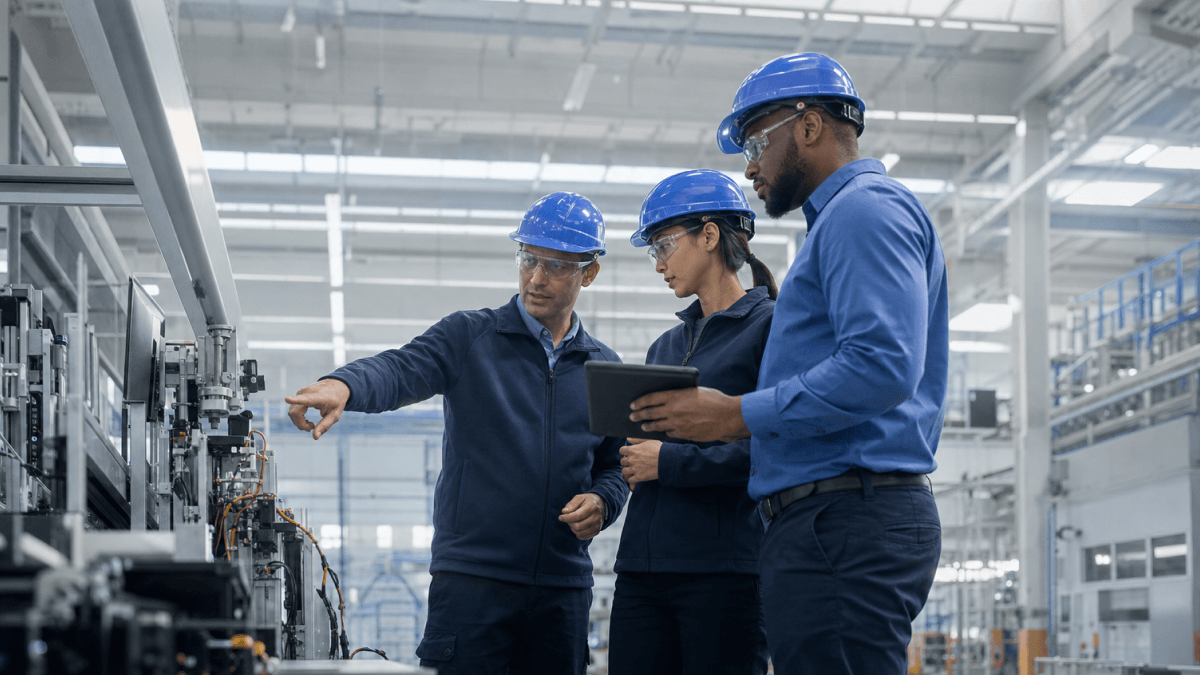
Manufacturing is undergoing one of its most significant transformations yet – not just through automation or advanced machinery, but through the way people connect and collaborate. As digital tools reshape communication on the factory floor, manufacturers are moving beyond traditional Industry 4.0 concepts of connectivity to something more human-centric: a future where technology empowers workers to share knowledge, make faster decisions, and stay aligned across every shift and site. This evolution marks the rise of the truly connected workforce – one that combines smart technology with the insight and agility of the people behind it.
Key Takeaways
- Effective communication isn’t just about sharing information — it’s about creating a continuous feedback loop that drives improvement across the factory.
- Real-time collaboration helps teams spot issues as they happen, communicate them instantly, and track progress through digital forms and issue reports.
- Tools like Poka centralize these updates, linking problems, actions, and updated work instructions in one place to strengthen visibility and accountability.
- Factory-wide communication ensures that insights from the floor — whether about safety, quality, or performance — are captured, acted on, and shared to prevent recurrence.
- With AI-powered translation and smart notifications, every worker stays informed and engaged in this continuous cycle of identifying, solving, and improving — no matter their language, role, or location.
Introduction: Why Communication and Collaboration Best Practices Matter
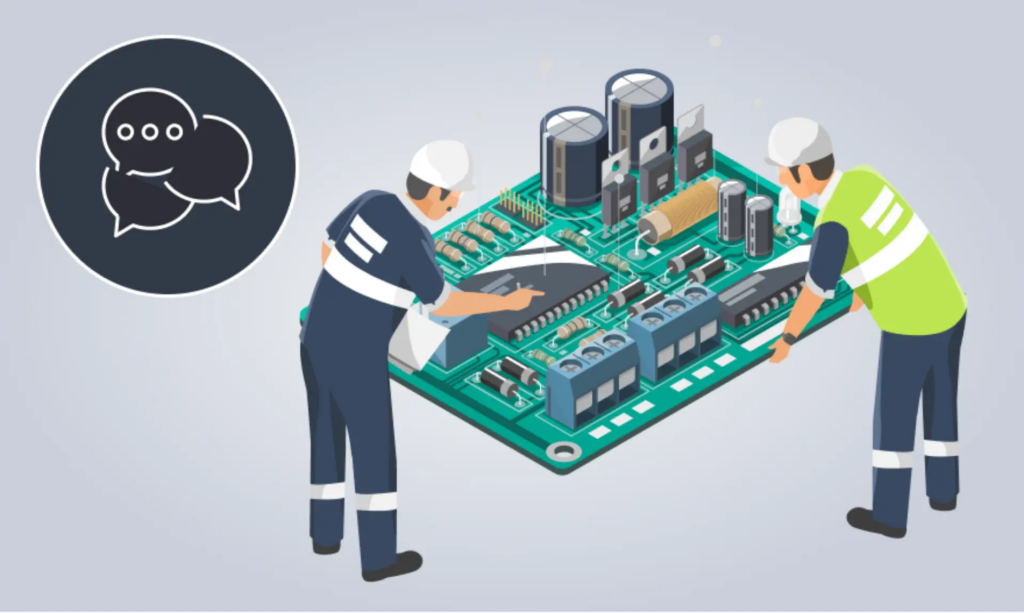
In manufacturing, clarity and speed of communication can mean the difference between smooth production and costly downtime. Yet many factories still rely on outdated methods – bulletin boards, emails or paper reports – that delay critical updates and limit visibility. When frontline teams are left out of the information loop, safety, quality and efficiency all suffer.
Today’s connected factories demand a smarter approach. According to McKinsey, digital transformation in manufacturing can yield 10–30 % improvements in labor productivity, reductions in machine downtime, throughput gains, etc. By bridging the gap between people, processes and technology, manufacturers can ensure every worker has access to the right information – instantly. Leveraging big data analytics, these digital solutions enable data-driven decisions and operational optimization – supporting smart manufacturing initiatives.
That’s where Poka, part of the IFS ecosystem, comes in. Poka connects workers across shifts, departments, plants and languages – transforming how manufacturers communicate and collaborate. Through real-time updates, digital knowledge sharing and mobile access, Poka empowers teams to make faster, safer and better-informed decisions. New workers especially benefit from digital platforms, as they accelerate onboarding and provide experiential training to quickly build skills.
This article explores the best practices that leading manufacturers use to strengthen communication and collaboration – and how digital platforms like Poka make it possible.
Best Practices for Communication and Collaboration in Manufacturing
1. Centralize Communication Digitally
In many factories, information flows through scattered channels – emails, spreadsheets, or conversations on the floor. This fragmentation creates confusion and inefficiency. Poka’s Factory Feed™ changes that by serving as a single, connected communication hub that delivers contextual information, ensuring workers receive relevant, job-specific updates that enhance decision-making and efficiency. With Factory Feed™, teams can:
- Share real-time production updates such as safety reminders, material shortages or maintenance alerts.
- Post photos, comments and achievements directly from the floor.
- Enable two-way communication between workers and management.
This digital feed ensures every worker sees the same message at the same time – whether they’re on the day shift in one plant or the night shift halfway across the world. The result: greater transparency, faster decision-making and stronger engagement.
2. Connect Teams Across Shifts, Sites and Departments
Information loss between shifts is one of the biggest causes of inefficiency in manufacturing. Paper logbooks or verbal updates often miss critical details about downtime, quality issues or maintenance needs.
Poka solves this with digital shift handovers and collaborative communication tools that make transitions seamless. Teams can:
- Record shift summaries that capture production results, machine status, and required follow-ups.
- Communicate in real time with maintenance or quality teams for quick resolutions.
- Share insights and lessons learned across departments or locations.
As Law Boon Wah, Senior Engineering Manager at Bosch, puts it:
“Poka allows me to receive information on what happened in the previous shift and where help is needed.”
By connecting every layer of the organization, Poka ensures nothing slips through the cracks – turning handovers into opportunities for improvement.
3. Empower Workers with Real-Time Collaboration Tools
On the modern factory floor, agility is everything. Workers must be able to raise issues, ask questions and get support without delay. Poka’s collaboration tools bring this agility to life.
- Operators can tag experts, add comments and share photos or videos within the context of a task or issue.
- Supervisors can review, respond and assign actions in real time.
- Conversations remain linked to specific assets, lines or work instructions – ensuring traceability.
This immediate, contextual collaboration reduces response time, eliminates bottlenecks and encourages continuous learning. More importantly, it creates a culture where every worker’s voice matters – fostering ownership and accountability. These collaboration tools also support lean initiatives by leveraging AI to identify efficiency opportunities and drive continuous improvement.
4. Break Down Language and Location Barriers
Global manufacturers operate across continents and cultures where language can easily become a barrier to safety and efficiency. Poka makes inclusivity simple with automatic translation and multilingual communication tools that keep everyone aligned.
Key features include:
- Instant translation of posts, comments and instructions.
- Subtitling and transcription for videos or voice updates.
- Mobile notifications in each worker’s preferred language.
Whether your teams are in Germany, Mexico or Malaysia, everyone stays informed and engaged. By breaking down communication barriers, manufacturers can build a truly global connected workforce that collaborates effortlessly.
5. Recognize Achievements and Foster Continuous Improvement
Effective communication goes beyond sharing updates – it’s about building culture. Recognition is one of the most powerful drivers of employee motivation and Poka helps make it part of everyday work.
With Poka, leaders can:
- Highlight worker achievements directly in the Factory Feed™.
- Share success stories, innovation initiatives or safety milestones.
- Encourage feedback and suggestions for process improvement.
These practices nurture a sense of pride, collaboration and purpose – key elements in sustaining a high-performing workforce. When communication celebrates people, it drives both engagement and productivity.
6. Integrate Communication with Daily Workflows
For communication to be effective, it must fit naturally into how people work. Poka integrates directly into operators’ daily routines and digital workflows – ensuring updates and insights are never out of reach.
- Workers access instructions, announcements and discussions from a single platform.
- Supervisors monitor activity feeds, shift reports and performance in real time.
- Management gains visibility into trends and opportunities across all sites.
This seamless integration transforms communication from a side task into a core enabler of operational excellence. Additionally, integrating communication into daily workflows can contribute to reduced energy consumption as part of broader operational improvements.
Leveraging Artificial Intelligence for Enhanced Collaboration
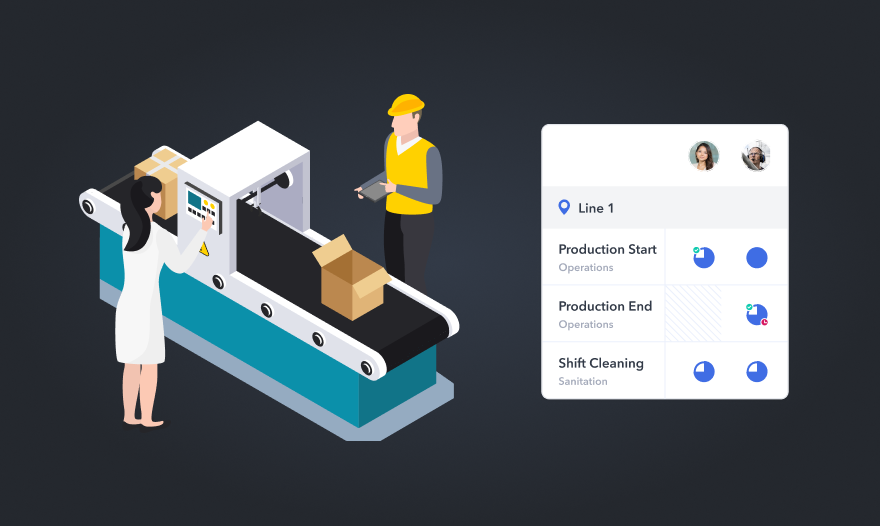
Artificial intelligence is rapidly becoming a cornerstone of smart manufacturing, especially when it comes to fostering collaboration among frontline workers, engineers and management. By integrating AI into connected worker platforms, manufacturers gain access to powerful, AI-driven insights that analyze vast amounts of manufacturing data in real time. These insights help identify opportunities for process optimization, quality assurance and workforce development – ensuring that every team member has instant access to the information they need to perform jobs efficiently and safely.
Machine learning algorithms can detect patterns and predict potential issues before they disrupt operations – enabling manufacturers to streamline operations and reduce downtime. AI also plays a critical role in minimizing human error by automating routine tasks and providing contextual recommendations for complex decisions. This not only enhances worker safety but also supports continuous improvement across the production line.
With artificial intelligence embedded in connected worker solutions, manufacturers can empower their teams with the tools and data required to make informed decisions, drive automation and maintain a competitive edge in the era of smart manufacturing.
Achieving Operational Agility Through Connected Collaboration

Operational agility is essential for manufacturers aiming to thrive in a rapidly changing market. Connected collaboration, enabled by advanced connected worker solutions is the key to achieving this agility. By deploying connected worker platforms, manufacturers can facilitate seamless, real-time communication and data sharing among workers, machines and systems across the shop floor.
These platforms provide digital versions of standard operating procedures, replacing error-prone paper documents and ensuring that every worker has access to the latest instructions and best practices. With real-time visibility into production processes through digital twins and IoT devices, teams can quickly identify bottlenecks, address issues and implement process improvements. This level of connectivity supports informed decision making and drives continuous improvement – allowing manufacturers to adapt swiftly to new challenges and opportunities.
By leveraging connected worker solutions and advanced technologies, manufacturers can create a culture of collaboration and operational agility – where every worker, process and machine is aligned to deliver smarter, more efficient manufacturing outcomes.
Common Pitfalls to Avoid
Digital transformation doesn’t guarantee effective communication. Many factories struggle when they:
- Rely only on top-down messages rather than fostering dialogue.
- Introduce new tools without proper training or cultural alignment.
- Overload workers with irrelevant updates.
- Neglect to measure communication impact.
- Fail to align with standards set by organizations such as the National Institute of Standards and Technology (NIST) which can hinder effective communication and digital transformation.
To succeed, manufacturers must treat communication as a strategic process – one that evolves alongside technology, culture, and business goals.
Overcoming Implementation Challenges
Transitioning to smart manufacturing is a significant undertaking, especially for businesses rooted in traditional manufacturing processes and legacy systems. However, a strategic, phased approach to digital transformation can help manufacturers overcome these challenges and unlock substantial benefits.
The first step is to identify high-impact areas – such as production planning, quality control, or supply chain management – where smart manufacturing solutions can deliver immediate value. Introducing digital tools like machine learning, data analytics and IoT devices in these areas allows manufacturers to gather actionable insights and improve operational efficiency without overwhelming the organization.
Equally important is investing in workforce development. Providing comprehensive training and ongoing support ensures that workers are confident and capable of using new technologies and processes. Change management initiatives should focus on fostering a culture of innovation and adaptability – minimizing resistance and disruption during the transition.
By prioritizing digital transformation, workforce development and the strategic deployment of advanced technologies, manufacturers can overcome implementation hurdles, enhance quality and gain a lasting competitive advantage in their industry.
Measuring Success: Communication and Collaboration Metrics
Improving communication is only valuable if it delivers measurable outcomes. Manufacturers using Poka track performance across key metrics such as:
- Response time to production issues and alerts.
- Worker engagement in Factory Feed™ posts and discussions.
- Cross-team collaboration frequency and resolution speed.
- Safety and quality improvements through proactive reporting.
- Reduction in downtime and improved shift continuity.
For instance, companies leveraging Poka have reported:
- A 183 % increase in near-miss reporting, reinforcing safety culture.
- Over 50 hours of planned downtime avoided through improved communication and visibility.
These measurable gains demonstrate how connected communication translates directly into operational value.
Future of Collaboration: From Connection to Collective Intelligence

The future of manufacturing communication lies in turning information into intelligence. Emerging technologies will continue to enhance how factories collaborate:
- AI-driven analytics will surface trends, predict issues and suggest improvements.
- Smart notifications will deliver personalized, role-based updates to reduce noise.
- Integration with MES, ERP, and CMMS systems will provide end-to-end visibility.
- Augmented reality (AR) will enable real-time visual collaboration for training and troubleshooting.
- Additive manufacturing is transforming production processes by enabling rapid prototyping and customization but also introduces challenges related to skills development, quality assurance and industry standards – making effective communication essential for successful adoption.
These innovations align with the vision of Industry 5.0, where human insight and technology work hand-in-hand to create safer, more sustainable and more agile manufacturing environments.
Conclusion: From Connection to Action
Communication and collaboration are no longer optional – they are essential for competitive, efficient and resilient manufacturing. With Poka, factories can:
- Centralize updates and standardize communication.
- Connect teams across shifts, sites and languages.
- Empower workers to collaborate and solve problems in real time.
- Recognize achievements and reinforce a culture of continuous improvement.
By following communication and collaboration best practices, manufacturers can achieve the next level of operational excellence—one built on transparency, engagement and shared knowledge.
Ready to see connected communication in action?
Book a 30-minute demo to discover how Poka transforms collaboration on the factory floor.
FAQs on Communication & Collaboration in Manufacturing
They include centralizing updates, enabling two-way dialogue, promoting inclusivity and integrating communication into daily workflows to improve efficiency and safety.
Poka connects workers, supervisors and managers in real time through Factory Feed™, digital comments and shift handovers – ensuring everyone stays aligned and informed.
Yes. Poka automatically translates posts, comments and videos – helping global teams communicate clearly and consistently.
Instant alerts and real-time updates allow workers to act quickly – reducing incidents and strengthening safety culture.
Manufacturers using Poka report reduced downtime, faster problem resolution, higher engagement and improved safety performance.