



Published on April 1, 2025
Discover how Poka drives cultural transformation on the factory floor—empowering workers, fostering collaboration, and enhancing efficiency through digital innovation.
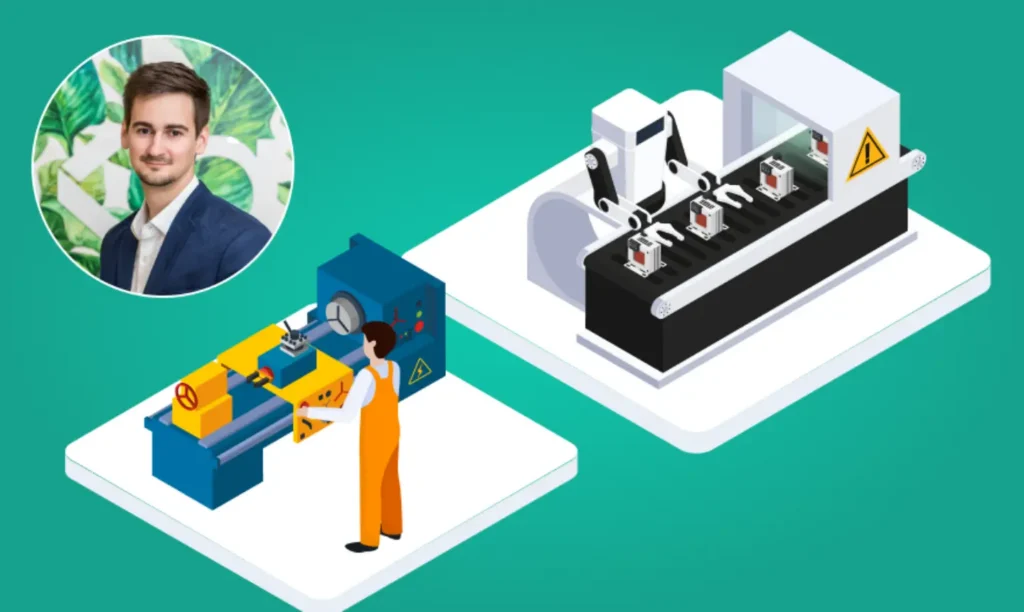
For decades, factory floors have been defined by routine, compliance and isolated silos. Communication was limited, knowledge was passed down informally and accountability often relied on supervisors enforcing rules rather than operators taking ownership. But manufacturing is changing. The workforce has new expectations, digital transformation is reshaping how we operate, and culture is now as critical as technology in driving success.
At Poka, we’ve seen firsthand how culture can be transformed. It’s not just about adopting new tools—it’s about empowering workers, fostering collaboration and building a system where everyone has the information and accountability to succeed.
The Cultural Challenges Factories Face Today
Loss of Tacit Knowledge
One of the biggest challenges in manufacturing today is the loss of institutional knowledge. At Blue Diamond, for example, workers nearing retirement were passing down best practices informally—sometimes at what they called “family reunions.” Critical knowledge was at risk of disappearing. Without a structured way to capture and share expertise, factories risk operational inefficiencies and rework, slowing productivity and impacting quality.
Poka helped Blue Diamond standardize knowledge-sharing through digital documentation and video tutorials, ensuring that expertise wasn’t lost when senior employees retired. By capturing best practices in a structured, accessible format, the company created a more sustainable and resilient workforce.
Accountability and Engagement
Another challenge is how accountability is managed. At Nortek, paper-based systems led to a culture of rubber-stamping. Supervisors were responsible for tracking compliance, while operators remained disengaged from key processes. When accountability is top-down, workers are less likely to take ownership of their performance. A lack of visibility into operations creates frustration and inefficiency, hindering productivity.
By integrating competency matrices into daily workflows, Nortek empowered employees to take responsibility for their skills and performance. When operators made mistakes, they had to retrain—creating a direct link between competency and quality. This new approach improved first-pass yield and boosted overall engagement, reinforcing the idea that quality starts with ownership.
Modern Workforce Expectations
Today’s workforce is different. Younger generations expect the same level of transparency and accessibility at work as they have in their personal lives. They’re digital natives, accustomed to instant information, collaboration and feedback. If they walk into a factory and find outdated systems—manual paperwork, slow knowledge-sharing, and little recognition—they disengage.
At Kimberly-Clark, Poka played a crucial role in bridging this gap. By providing workers with real-time access to troubleshooting guides and best practices, employees felt more confident and engaged in their roles. Training transformed from a compliance-driven task into a dynamic, employee-centered process, reducing turnover and improving retention.
How Poka Transforms Culture
From Compliance to Empowerment
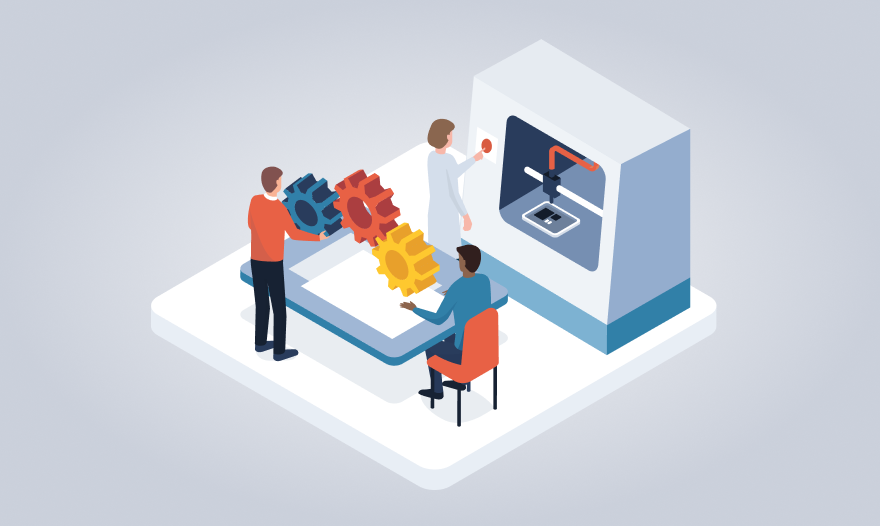
At Poka, we believe that manufacturing workers shouldn’t just follow instructions—they should be engaged, informed and accountable. That’s why our platform shifts responsibility from supervisors to operators. When workers own their processes, they perform better.
This shift was especially evident at Bel Group, where operators began using Poka to document and share best practices. Instead of waiting for instructions from supervisors, employees took initiative in troubleshooting issues, improving efficiency, and driving continuous improvement. This change created a more engaged and proactive workforce.
At Bel Group, the transformation didn’t happen overnight. Initially, there was skepticism among workers who were used to a top-down approach. However, as they saw the impact of their shared insights—fewer mistakes, faster problem resolution and increased collaboration—the culture began to shift.
Operators took pride in their contributions, knowing they were helping to shape the future of their workplace. The leadership team also noticed a tangible improvement in operational performance, with efficiency gains and reduced downtime as a direct result of operators taking ownership of their roles.
This empowerment fueled innovation, as workers started proactively suggesting improvements rather than simply following instructions. As more teams embraced this new way of working, the ripple effect led to a workplace where continuous learning and accountability became the norm.
The Role of Real-Time Data
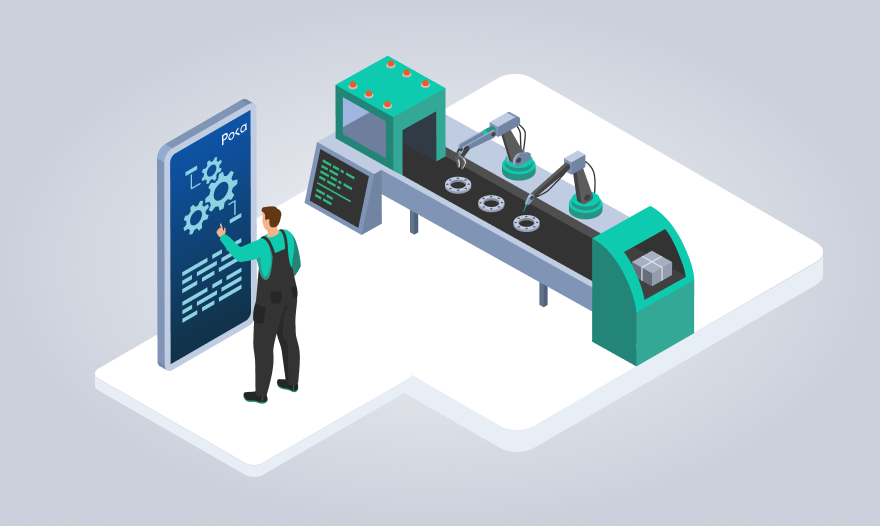
Decisions on the shop floor should be driven by real-time information, not guesswork. Poka enables operators to access digital forms, dashboards and knowledge-sharing tools, ensuring that the right information is available at the right time.
Kimberly-Clark, for example, eliminated redundant processes by integrating Poka into their training. Employees now have instant access to troubleshooting guides and best practices, reducing downtime and making problem-solving more efficient. This shift not only improves efficiency but also fosters a culture where employees feel supported and capable.
At Huhtamaki, the introduction of Poka streamlined knowledge-sharing across multiple locations. Employees could easily share best practices across sites, leading to improved standardization and more effective problem-solving. This created a collaborative culture where teams worked together to drive continuous improvement.
Fostering Collaboration Across Teams
Factories have traditionally operated in silos, with communication gaps between shifts, teams and locations. Information often gets lost in transition, and best practices remain isolated within individual teams rather than benefiting the entire organization. These disconnects create inefficiencies, slow down innovation and make it difficult to scale improvements across multiple sites.
With Poka, those barriers disappear. The platform acts as a central hub where operators, supervisors and engineers can easily document and share knowledge in real-time, ensuring that everyone—regardless of shift or location—has access to the same information. This fosters a culture of transparency and continuous learning, where insights are no longer trapped within departments but flow freely across the entire organization.
At Blue Diamond, for example, site visits used to be the primary way teams learned from each other. While valuable, these visits were infrequent, and much of the shared knowledge was lost once employees returned to their respective locations. Now, with Poka, operators can capture insights as they happen—through videos, images, and digital notes—making best practices immediately accessible to workers across different sites. This has eliminated the bottleneck of in-person knowledge transfer and ensured that valuable expertise is shared instantly rather than waiting for periodic meetings or site visits.
The impact goes beyond efficiency—it drives innovation. Rather than relying solely on top-down directives for process improvements, Blue Diamond has seen innovation emerge from the shop floor itself. Operators are now actively contributing ideas for improvement, documenting new troubleshooting techniques, and refining procedures based on real-world experiences. This bottom-up approach not only accelerates problem-solving but also boosts employee engagement, as workers feel a greater sense of ownership in shaping how the factory operates.
Beyond the Factory Floor
Impact on Leadership and Strategy
Cultural transformation isn’t just about workers—it’s about leadership as well. Companies like Huhtamaki and Blue Diamond have used Poka to elevate training teams from support functions to strategic business partners. When leaders actively engage with their workforce, culture shifts from top-down enforcement to a shared commitment to improvement.
A key part of this transformation is visibility. Traditionally, senior leadership had limited insight into day-to-day operations on the factory floor. Information was often filtered through multiple layers of management, leading to delays, blind spots and a disconnect between corporate strategy and frontline realities. With Poka, executives and plant managers gain real-time access to what’s happening on the factory floor. They can see training progress, process improvements and even areas where teams are struggling—allowing them to make data-driven decisions and proactively address issues before they escalate.
At Nestlé, the implementation of Poka changed how training was perceived. What was once seen as a necessary support function became a key business driver. Heather Grant, a training leader at Nestlé, noted that Poka gave her team “a seat at the table,” allowing them to provide actionable, data-driven insights that influenced strategic decision-making. This kind of direct visibility empowers leaders to champion cultural change, ensuring that factory-wide initiatives are aligned with both operational needs and long-term business goals.
By bridging the gap between leadership and the shop floor, Poka fosters a culture of accountability and transparency. When executives have a clear, unfiltered view of operations, they can better support workers, allocate resources more effectively, and drive continuous improvement—not from the top down, but in collaboration with the people who know the work best.
The Future of Factory Culture with Poka
Looking ahead, manufacturing culture will continue to evolve. The key is making sure operators have access to the most relevant information at the right moment. AI will play a significant role in streamlining this process, ensuring that “I didn’t know” is no longer an excuse. The future isn’t about more tools—it’s about making those tools work better for the people who use them.
Cultural transformation isn’t confined to a single factory or region. Companies like Huhtamaki have successfully scaled Poka across multinational operations, proving that an engaged workforce is a universal advantage. As factories worldwide embrace digital transformation, Poka’s role in creating connected, empowered teams will only grow.
For manufacturers, cultural transformation isn’t optional—it’s essential. The companies that succeed will be the ones that recognize workers as the key to operational excellence. Whether you’re a factory leader, a frontline worker or an industry executive, it’s time to rethink factory culture and embrace the shift from compliance to empowerment.
Manufacturing isn’t just about machines—it’s about people. The factories that thrive will be those that invest in their workforce, enabling operators to take ownership, collaborate, and drive innovation. Poka isn’t just a tool; it’s a catalyst for change.
Ultimately, cultural transformation starts with leadership. No software can create a strong culture on its own—but it can amplify and accelerate the values a company chooses to embrace. As we look ahead, one thing is clear: the future of manufacturing belongs to those who empower their people to succeed.