



Published on December 11, 2025
Explore 2026 connected worker trends – from AI co-pilots and Visual Factory 2.0 to wearables, IoT, and agentic AI transforming frontline manufacturing.
Key Takeaways
- Connected worker technologies empower frontline teams with real-time access to information – improving productivity and worker safety.
- AI and machine learning are becoming integral co-pilots, enhancing decision-making and predictive maintenance on the shop floor.
- Visual Factory 2.0 and digital dashboards enable faster problem-solving and collaborative operational management.
- Wearables, mobile devices and smart sensors provide enhanced visibility and seamless communication across manufacturing systems.
- The future of connected workers includes integrated ecosystems and agentic AI- fostering human-machine collaboration and continuous improvement.
Manufacturing is entering a new era — one where technology and people are finally working in true partnership. For years, industrial transformation revolved around automation, data, and efficiency. But as we approach 2026, a new vision is taking hold: one that connects workers, data, and decisions in real time to unlock both productivity and human potential.
A robust digital transformation strategy enables manufacturers to integrate smart and connected worker technologies, creating an environment that supports automation, data-driven decision-making and greater operational visibility.
According to Deloitte’s 2026 Manufacturing Industry Outlook, over 70% of executives plan to expand investments in AI, workforce enablement and digital transformation initiatives. The driving force is the emergence of the connected worker – one who is equipped, informed and empowered through connected technologies that enable real-time communication and data-driven decision-making.
This article explores five key trends shaping the future of connected work – and what they mean for manufacturing leaders preparing for the next era of industry across industries such as manufacturing, construction and utilities.
1. AI Becomes the Connected Worker’s Co-Pilot
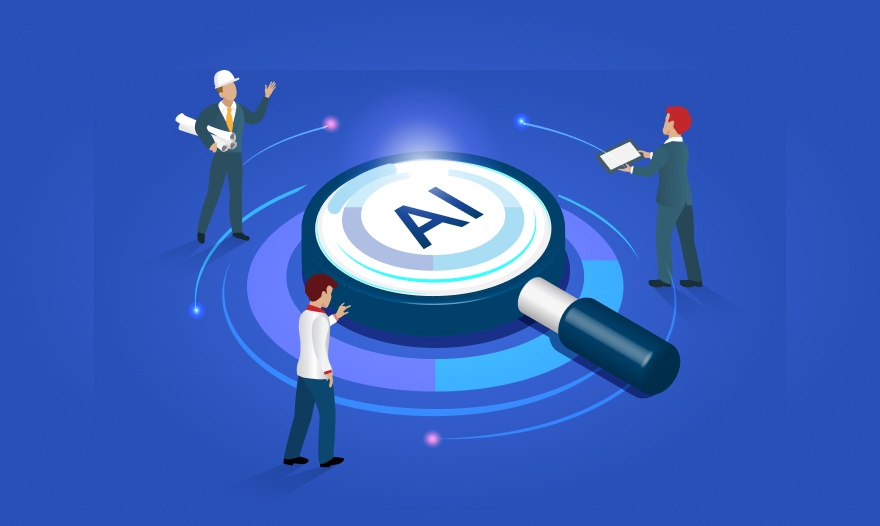
Artificial intelligence has evolved from back-office innovation to frontline companion. By 2026, AI co-pilots will become embedded in daily operations, supporting workers with real-time insights and guided troubleshooting.
Deloitte predicts that more than 60% of manufacturers will deploy AI-driven support tools in the next 12 months. These systems don’t replace people; they amplify human capabilities – automating repetitive data analysis and leveraging data analytics to optimize manufacturing processes, detecting anomalies before they escalate and summarizing key performance insights for faster decisions.
According to McKinsey, embedding generative AI and automation across work activities could raise global labour-productivity growth by 0.5 to 3.4 percentage points annually, depending on the rate of adoption and how deeply it’s integrated into workflows. Instead of overwhelming operators with data, connected worker platforms – comprehensive digital solutions that integrate tools, data, and communication features – will surface the right information at the right time, enhancing efficiency and training, and transforming how problems are solved on the plant floor.
The result is a shift in mindset: AI as a co-worker, not just a tool. Operators will increasingly collaborate with AI agents that recommend adjustments, predict downtime, and even generate work instructions automatically – freeing up people to focus on innovation and improvement and helping drive continuous improvement in manufacturing operations.
2. Connected Worker Ecosystems Mature – and Agentic AI Emerges
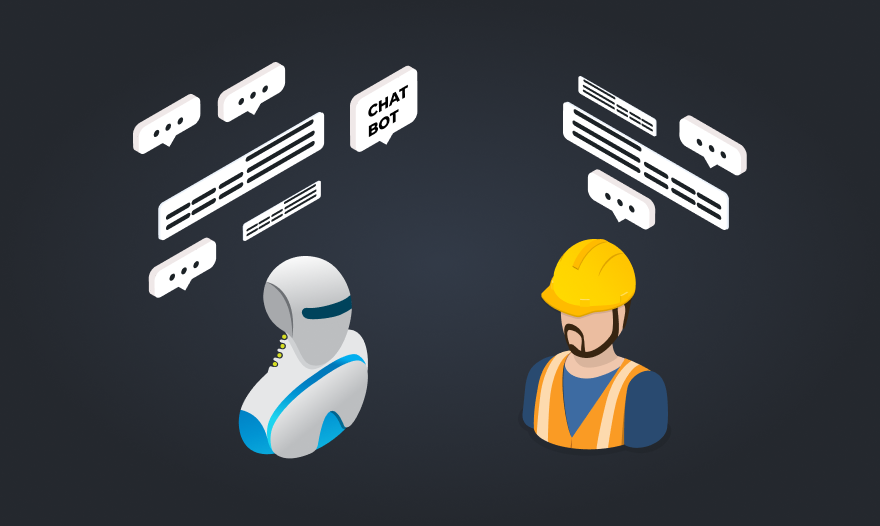
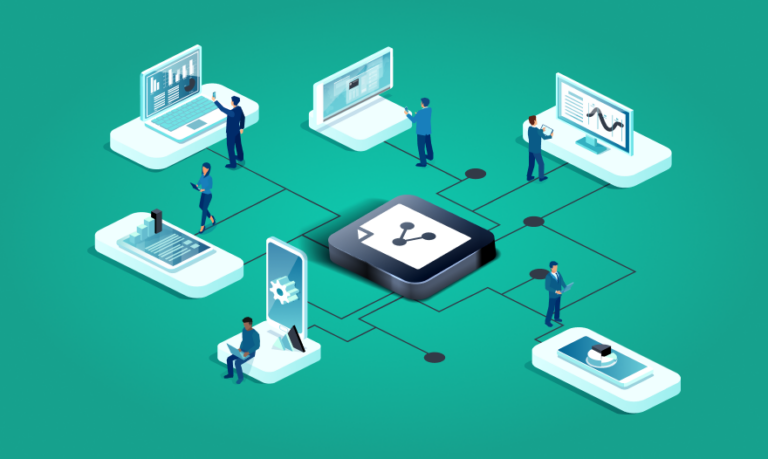
Over the last decade, manufacturers adopted isolated digital tools for training, communication and quality. But by 2026, that fragmented approach is giving way to fully integrated connected worker ecosystems. A connected worker solution integrates real-time data, digital tools and collaboration features to enhance worker efficiency, safety and communication on the production floor.
These ecosystems unify all aspects of frontline operations – knowledge, collaboration, skills and performance – in one scalable platform. Digital solutions now span the entire product lifecycle, from engineering and manufacturing to service, improving operational efficiency and product data accuracy at every stage.
At the same time, a new technological paradigm is emerging: Agentic AI. While generative AI dominated early discussions, 2026 will lay the foundation for AI that can act autonomously within defined goals. Agentic AI systems go beyond generating text or insights — they can plan, simulate, and execute tasks with minimal human intervention, all while staying aligned to business objectives.
Gartner has named agentic AI a top strategic trend for 2025, predicting that 40% of enterprise applications will incorporate task-specific AI agents by 2026, signaling rapid movement toward more autonomous AI systems.These agents can coordinate production workflows, adjust schedules dynamically and even initiate maintenance requests based on sensor data – effectively becoming digital team members within connected ecosystems. Digital twins can be used to monitor daily operations, providing real-time insights that enhance decision-making and operational efficiency.
The next generation of connected workers will not only collaborate with human colleagues but also with intelligent agents capable of learning, reasoning and acting alongside them. The boundary between human judgment and machine assistance will blur – and the synergy will redefine productivity.
3. The Rise of the Visual Factory 2.0
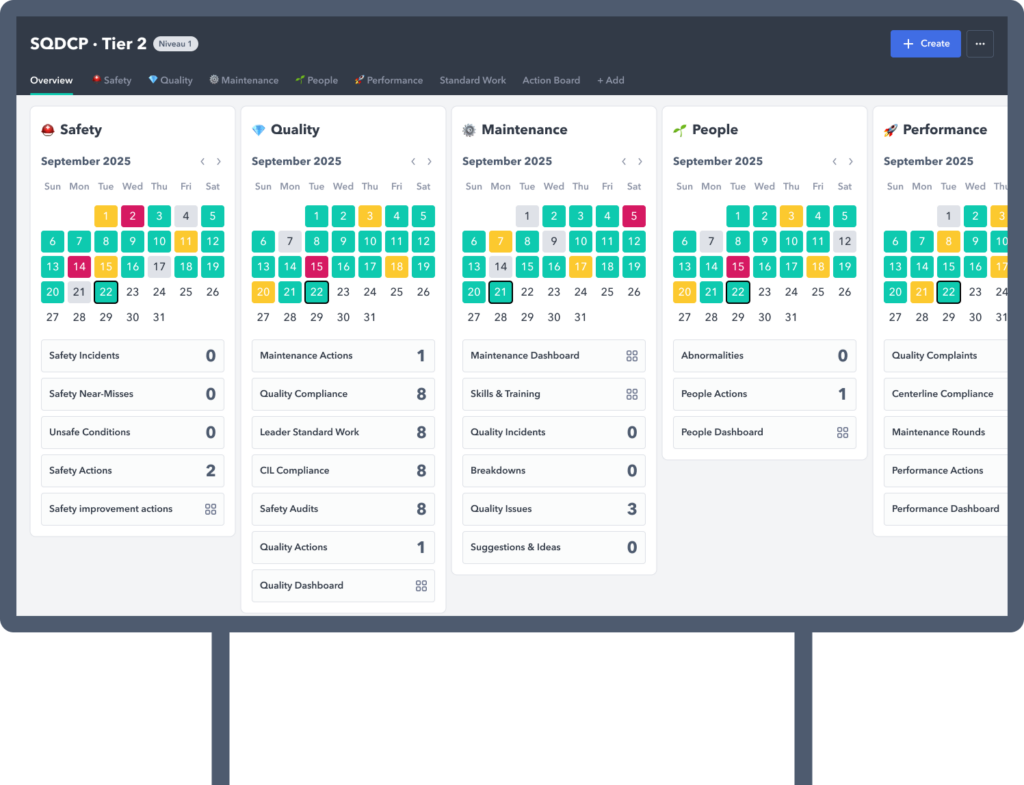
The concept of the visual factory – making performance data visible and accessible to everyone – has been a cornerstone of lean manufacturing for decades. But by 2026, the “Visual Factory 2.0” will redefine how teams communicate and act on information.
Digital huddle boards, interactive dashboards and live data feeds are replacing static reports and whiteboards. These digital visual tools create a shared operational picture – transforming tier meetings into collaborative command centers.
According to Deloitte’s 2025 Smart-Manufacturing Survey, companies report up to 20% improvement in production output and workforce productivity after implementing smart-manufacturing technologies.
Every worker – from operator to executive – sees the same live metrics for safety, quality, delivery, cost and people. Data becomes not just visible but actionable. This improved visibility enables faster decision-making and better collaboration across roles, as unified, real-time data access empowers plant managers, maintenance technicians and other team members to respond quickly and efficiently.
Deloitte’s survey of 600 manufacturing leaders reveals that smart-manufacturing technologies – including connected-worker platforms, data analytics, and AI – drive 10–20% improvements in output and significant workforce productivity gains – underscoring the value of integrated, real-time systems. In this new environment, visibility and engagement go hand in hand: when workers can see how their actions impact performance in real time, they take greater ownership of outcomes.
Wearables and Mobile Devices: Empowering the Workforce on the Move
Wearables and mobile devices have become essential tools within connected worker platforms – transforming how frontline workers interact with information and their environment. With these digital technologies, workers can access digital work instructions, equipment data and quality assurance protocols directly from their mobile devices – eliminating the need for cumbersome paper-based documentation and reducing the risk of human error.
On the production floor, mobile devices provide instant access to critical data, enabling workers to perform tasks efficiently and accurately – no matter where they are. Wearables further enhance worker safety by delivering real-time alerts and guidance, while also enabling seamless communication with operations managers and remote support teams. This connectivity ensures that frontline workers can quickly report issues, receive expert assistance and maintain high standards of quality and safety. By integrating wearables and mobile devices into their connected worker platforms, companies are not only improving operational efficiency but also empowering their workforce to adapt and excel in a dynamic manufacturing environment.
Smart Sensors and IoT Devices: The New Eyes and Ears of the Factory
Smart sensors and IoT devices are the foundation of modern connected worker technologies – providing the real-time data and insights that drive informed decisions and continuous improvement. These devices monitor every aspect of the production process, from equipment performance to environmental conditions – enabling predictive maintenance and minimizing unplanned downtime.
By integrating smart sensors and IoT devices into connected worker platforms, companies gain enhanced visibility into their manufacturing systems. This real-time data supports quality assurance efforts, helps identify inefficiencies and allows for rapid response to emerging issues.
The vast amounts of big data collected by these devices can be analyzed using artificial intelligence and machine learning, uncovering patterns and opportunities for optimization that were previously hidden. As a result, connected worker technologies ensure that every worker has the information they need to make smarter decisions, improve processes and contribute to a more agile and efficient manufacturing operation.
4. Human-Centered Factories Take the Lead
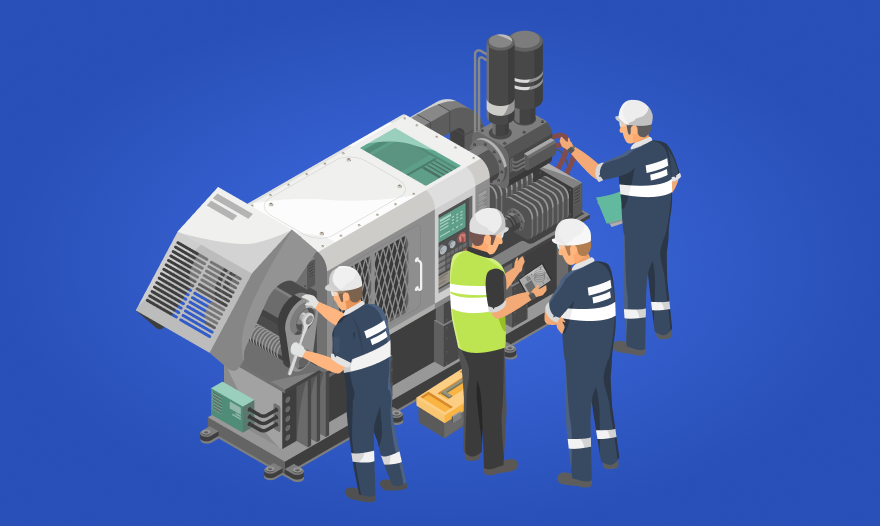
As automation expands, the human factor becomes even more essential. The next industrial evolution – often described as Industry 5.0 – is defined not by machines replacing people but by people and technology working in synergy.
Manufacturers are reimagining their digital transformation strategies through a human-centered lens. A connected worker strategy enhances collaboration, visibility and responsiveness on the factory floor – transforming manufacturing operations by empowering frontline workers and improving efficiency, quality and safety. Instead of simply connecting machines, they’re connecting workers with knowledge, context and autonomy.
Through connected worker platforms, employees can instantly access procedures, best practices and training content – or contribute their own insights – all within the flow of work. Personalized digital learning pathways and real-time skill tracking help close capability gaps faster and more effectively than traditional training methods, supporting the rapid onboarding and integration of new workers into digital, connected environments.
According to BCG’s 2024 “Shaking Up the Factory Floor with Digital and AI,” companies that achieve success in digital transformation weigh people and processes at least as heavily as technology itself – deploying AI and digital tools only in the context of robust organizational design and governance. This shift turns technology into a catalyst for engagement, enabling creativity, collaboration and ownership on the factory floor.
In the human-centered factory of the future, innovation and empathy are as critical as automation. Machines handle precision; people drive purpose.
5. Data-Driven Decision-Making Becomes the New Standard
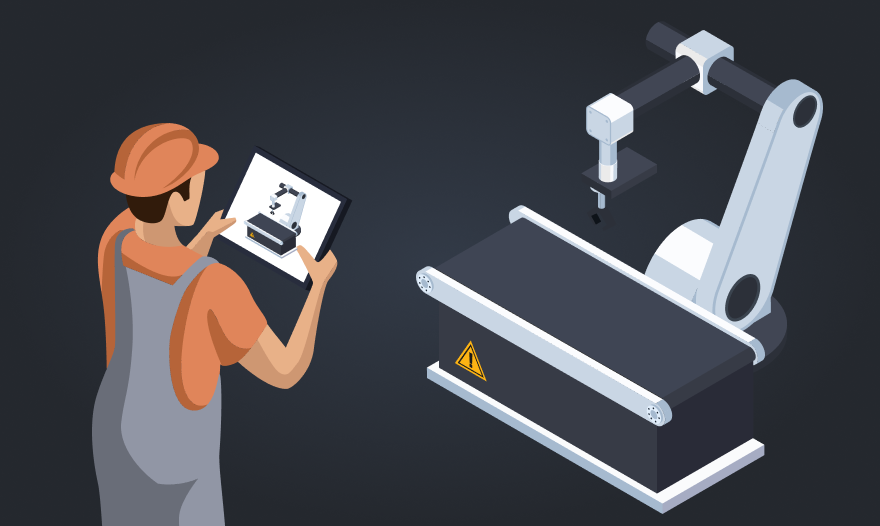
In 2026, the competitive advantage in manufacturing won’t come from having more data – but from knowing how to use it.
Connected worker platforms are bridging the gap between enterprise systems like MES, ERP, and QMS, enabling unified visibility from the shop floor to the boardroom. A connected workforce leverages digital technologies – such as IoT devices, cloud platforms, and real-time data access – to enhance collaboration, efficiency and decision-making across operations. This integration allows leaders to make proactive, data-driven decisions rather than reactive ones.
Deloitte reports that 92% of manufacturers believe smart manufacturing will be a critical driver of competitiveness within the next three years. The connected worker model closes that gap by democratizing access to data – putting actionable insights directly into the hands of those who can make an immediate impact.
McKinsey highlights that organizations leveraging real-time data at every level can achieve up to 30% faster decision-making cycles and a measurable improvement in cross-functional alignment.
For plant managers and executives alike, this means that everyone operates from a single source of truth. As a result, silos disappear, agility improves and continuous improvement becomes a shared responsibility across every layer of the organization – with unified data access playing a key role in reducing errors throughout operations.
Operational Agility: Thriving Amid Constant Change
In an industry defined by rapid change and evolving demands, operational agility is essential for success. Connected worker solutions and platforms equip frontline workers with the digital tools and information they need to adapt quickly to new production processes, technologies and equipment. By streamlining frontline processes and enabling real-time knowledge sharing, these solutions help companies reduce errors, improve worker safety and respond effectively to unexpected challenges.
Remote assistance features within connected worker platforms allow workers to collaborate with experts and resolve issues on the spot, minimizing downtime and keeping production on track. The ability to access up-to-date information and best practices empowers workers to make quick, informed decisions – driving continuous improvement and increasing productivity. Companies that embrace connected worker technologies are better positioned to achieve impressive results, maintain a competitive edge and thrive in an ever-changing manufacturing landscape.
Continuous Improvement: The Connected Worker’s Edge
Continuous improvement is at the core of every successful manufacturing operation, and connected worker solutions are key to making it a reality. By providing frontline workers with real-time data, digital work instructions and instant access to equipment data, connected worker platforms enable informed decision-making and enhanced visibility across the production process.
These platforms facilitate the collection and analysis of data on every aspect of manufacturing – helping companies identify areas for improvement and optimize their systems for maximum efficiency. With connected worker technologies, organizations can reduce downtime, increase productivity and achieve significant gains in quality and operational performance. Embracing digital transformation and leveraging connected worker solutions not only drives continuous improvement but also ensures that companies remain competitive and resilient in a rapidly evolving industry.
The Leadership Imperative: Turning Digital into Human Value
For manufacturing executives, the road to 2026 isn’t just about technology adoption – it’s about cultural transformation. Leaders must align strategy, systems and people around a shared vision of digital empowerment.
A large portion of the manufacturing workforce is nearing retirement, creating a significant challenge for companies. Adopting digital solutions is essential to address this workforce gap and ensure continued operational success.
Key imperatives include:
- Shift from digitization to intelligence. Move beyond collecting data to anticipating outcomes and shaping decisions.
- Focus on adoption, not just deployment. Technology succeeds only when workers embrace it – and feel ownership in using it.
- Redefine success. Combine operational metrics (OEE, downtime, quality) with human metrics like engagement, skill growth and collaboration, while also addressing the skills gap in the manufacturing workforce through connected worker solutions and digital enablement.
As McKinsey highlights in its 2023 research on digital and AI transformations, successful adoption of AI requires organizational rewiring – including changes in talent, data architecture, processes and governance – not just the deployment of new technologies.
At Poka, Connection Means More Than Technology
At Poka, we believe the future of manufacturing belongs to organizations that connect people, processes and performance in a single digital ecosystem. Our platform enables frontline workers to access knowledge, share insights and act on real-time data – turning visibility into measurable impact. This supports industrial operations by streamlining workflows and improving efficiency across the factory floor. By leveraging real-time data and digital tools, our platform helps optimize the manufacturing process, enhancing quality, maintenance and overall productivity.
As manufacturers adopt AI, evolve visual management, and build connected ecosystems, the foundation for agentic AI will quietly take shape – setting the stage for a new era where intelligent systems and empowered people work side by side. Digital transformation is also reshaping industrial work by enabling safer, more productive environments in manufacturing plants and other industrial settings.
Because the true measure of digital transformation isn’t what technology can do – it’s what people can achieve with it.
Conclusion: Manufacturing’s Next Chapter
The next phase of manufacturing transformation is here.
AI will serve as a co-pilot.
Visual management will drive live, collaborative decision-making.
Human-centric design will sustain engagement and creativity.
Data will become the universal language of performance.
And agentic AI will connect it all – bridging automation and autonomy to build factories that think, adapt and learn.
For leaders, the opportunity is clear: connect technology to purpose and people to data. Connected worker technologies not only empower individuals but also strengthen supply chains – improving resilience and efficiency across global operations.
Because the most advanced factory of the future won’t just be automated – it will be intelligently human, leveraging digital transformation to reduce energy consumption and operational costs in manufacturing.
If you’re ready to empower your frontline workforce and build an intelligent human factory, book a Poka demo and discover what’s possible.
FAQs: 2026 AI Trends Every Manufacturer Should Know
AI will act as a co-pilot – providing real-time insights, predicting downtime, guiding troubleshooting, and automating routine analysis to enhance worker productivity.
It’s an integrated digital environment that unifies tools, data, communication, and skills development—enabling frontline teams to work smarter, safer, and faster.
Agentic AI refers to autonomous AI agents that can plan, simulate, and execute tasks with minimal human intervention—optimizing workflows and supporting decision-making in real time.
Visual Factory 2.0 uses digital dashboards, interactive huddle boards, and live data feeds to enable faster, collaborative, real-time problem-solving across all levels of the plant.
Wearables, mobile devices, and smart sensors give workers instant access to instructions, alerts, and data – strengthening safety, communication, and operational agility.