





Published on September 25, 2025

Key Takeaways
- Digital issues management is a centralized, real-time system for capturing, tracking, and resolving problems to improve accountability, speed, and continuous improvement.
Centralized issue capture with pictures and videos improves clarity, speeds root cause analysis and reduces downtime. - Task management with ownership and due dates ensures accountability and faster resolution.
- Real-time notifications and digital Kanban boards enhance responsiveness, visibility and collaboration.
- Tagging and categorization unlock trends and insights for proactive improvements.
Introduction: Why Issues & Tasks Management Matters
In manufacturing, problems are inevitable — but how quickly and effectively they’re solved determines whether they become setbacks or opportunities for improvement. From unplanned downtime to quality defects and safety hazards, every unresolved issue carries risks to productivity, compliance and worker safety.
Historically, manufacturers have relied on paper logs, spreadsheets or verbal communication to track issues. These methods often result in lost information, delayed responses and a lack of accountability. Issues get overlooked, tasks fall through the cracks and recurring problems resurface without clear insights into their causes.
Digital workflows standardize task execution and ensure operational consistency across the organization, whether processes are managed online or offline.
Digital issues and tasks management tools, such as Poka’s Issue Posts and Task Center, transform problem-solving into a connected, transparent and data-driven process. Cloud-based platforms enable real-time data access and remote collaboration in manufacturing environments – supporting employees as they adapt to new digital tools. By leveraging advanced technology, these solutions modernize issues management and drive digital transformation. Organization-wide adoption is essential for successful implementation and lasting impact. Employees need new skills to effectively use digital workflows and maximize the benefits of these tools. Instead of scattered notes and siloed communication, manufacturers gain:
- A central hub for capturing, tracking and resolving issues.
- Clear ownership and accountability for follow-up actions.
- Real-time collaboration across teams and sites.
- Visibility into trends and root causes to fuel continuous improvement.
Best Practices for Issues & Tasks Management
1. Capture Issues with Context-Rich Documentation
Paper logs can’t capture the nuance of frontline problems. Best practices for digital issue reporting include:
- Attaching photos or videos to clarify deviations.
- Adding equipment and category tags for easy filtering and analysis.
- Recording issues in real-time on the shop floor for immediate visibility.
Rich documentation reduces ambiguity, speeds root cause analysis and helps teams solve problems faster.
2. Centralize Task Assignment and Tracking
Problems are only half the story — tasks to fix them must be managed effectively. A digital Task Center ensures:
- Clear ownership of corrective actions.
- Visibility into deadlines and task status.
- Reduced risk of dropped tasks or repeated issues.
Centralizing action management keeps teams aligned and accountable.
3. Use Notifications to Drive Immediate Action
Delays in addressing problems often escalate downtime and costs. With real-time notifications:
- Relevant experts are instantly alerted when issues are posted.
- Managers can act on deviations as soon as they occur.
- Urgent tasks receive immediate attention, minimizing production impact.
4. Leverage Visual Management with Huddle Boards
Paper whiteboards and manual trackers quickly become outdated. A digital Huddle Board provides:
- A live view of all open issues and their resolution status.
- Visibility into time-to-resolution metrics.
- Alignment across teams, shifts, and sites.
- Visual management empowers everyone to see progress at a glance and fosters accountability.
Digital huddle boards (aka interactive dashboards for team huddles) are purpose-built to support structured, real-time meetings – automating data consolidation, issue escalation, and cross-shift handovers.
5. Tag Issues to Unlock Trends and Root Causes
Capturing issues is valuable — but analyzing them is transformative. By tagging issues by equipment, category or process step, manufacturers can:
- Spot recurring problems and systemic inefficiencies.
- Support root cause analysis with trend data.
- Prioritize high-impact improvement initiatives.
- Tags turn isolated incidents into actionable intelligence.
6. Build a Troubleshooting Knowledge Base
Every resolved issue is a learning opportunity. With Poka, teams can convert solutions into a searchable knowledge base — creating a frontline library of proven fixes. This best practice ensures:
- Faster troubleshooting when similar issues recur.
- Reduced reliance on tribal knowledge.
- Continuous workforce development and resilience.
7. Align Issues & Tasks with Continuous Improvement Goals
To maximize impact, issues and tasks management should connect directly to broader operational goals such as:
- Reducing unplanned downtime.
- Improving quality and reducing defects.
- Strengthening safety compliance.
- Driving lean problem-solving and kaizen initiatives.
When problem-solving aligns with strategic objectives, manufacturers create a culture of continuous improvement.
8. Implement Digital Work Instructions for Enhanced Task Execution
Digital work instructions deliver clear, step-by-step guidance directly to frontline workers’ mobile devices or workstations. This ensures:
- Consistency in performing complex tasks.
- Reduced errors and rework.
- Faster onboarding of new workers and new hires.
- Improved worker safety through clear procedural compliance.
Integrating digital work instructions with issues and tasks management creates a seamless workflow that supports operational excellence.
Corrective & Preventive Actions (CAPA) with Digital Task Management
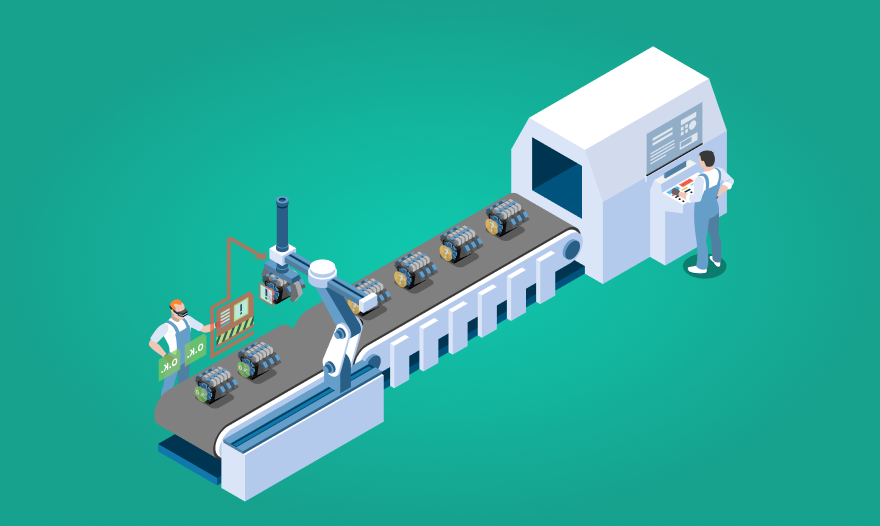
Managing corrective and preventive actions (CAPA) is critical for compliance and quality assurance. Digital task management supports CAPA by enabling digital inspections to ensure compliance and quality and by implementing CAPA processes across the manufacturing plant.Digital task management supports CAPA by:
- Ensuring every deviation has a documented follow-up action.
- Tracking task completion rates and overdue items.
- Creating a closed-loop system for compliance and continuous improvement.
By linking CAPA to issue tracking, manufacturers strengthen accountability and audit readiness.
Change Management and Training for Digital Adoption
Adopting digital issues management requires training frontline workers to use the system effectively and developing the necessary skills for digital adoption. It is especially important to train new hires on how to use digital issues management tools as they may lack experience with such platforms. Best practices include:
- Training operators on posting issues with photos, videos and tags.
- Coaching managers on assigning and monitoring tasks in real time.
- Reinforcing a problem-solving mindset where issues are opportunities for improvement.
- Providing training on following digital work instructions to ensure proper task execution and safety compliance.
Strong change management ensures adoption, builds trust in the system and maximizes ROI.
Top Use Cases for Issues & Tasks Management
- Unplanned Downtime: Capture breakdowns in machines in real-time and accelerate repairs.
- Quality Issues: Document defects across raw materials and finished goods.
- Maintenance: Manage corrective and preventive tasks for higher equipment uptime.
- Safety Incidents: Record hazards and assign immediate corrective actions.
- Additive Manufacturing: Support additive manufacturing processes by addressing quality and process challenges – helping to ensure consistent output and manage new technology adoption.
These use cases highlight how digital issues and tasks management strengthens operations across safety, quality and productivity.
Common Pitfalls to Avoid
- Treating issues management as a simple logging tool instead of a continuous improvement driver.
- Failing to assign clear ownership of corrective actions.
- Ignoring trend data and missing systemic problems.
- Overloading workers with duplicate notifications.
- Neglecting to build a knowledge base from past issues.
Avoiding these pitfalls ensures issues management delivers long-term value.
Conclusion: Turning Issues into Opportunities
In modern manufacturing, every issue is an opportunity to improve. With digital issues and tasks management, manufacturers can:
- Capture problems with clarity and context.
- Ensure accountability through centralized task management.
- Accelerate responses with real-time notifications and Kanban boards.
- Unlock insights through tagging and trend analysis.
- Build resilience by converting solutions into knowledge.
- Leverage digital work instructions to standardize processes, reduce errors and enhance worker safety.
By transforming issues into structured, actionable opportunities, manufacturers foster a culture of accountability, problem-solving and continuous improvement.
Ready to strengthen your problem-solving process? Book a 30-minute demo to see how Poka Issues & Tasks Management can transform your factory.
FAQs on Issues & Tasks Management
It is the centralization of problem reporting and task tracking in a single system, ensuring visibility and accountability across the factory.
It centralizes problem reporting and task tracking, ensuring visibility and accountability across the factory.
By providing real-time notifications, visual management and faster collaboration to resolve problems before they escalate.
Yes. Tags allow issues to be categorized by equipment, process or category for easy analysis.
By ensuring every issue has an assigned corrective action with documented follow-up, creating a complete audit trail.