



Published on January 9, 2025
Discover how to enhance your manufacturing training with innovative solutions and the 70:20:10 model.
Embracing the Future of Manufacturing Training
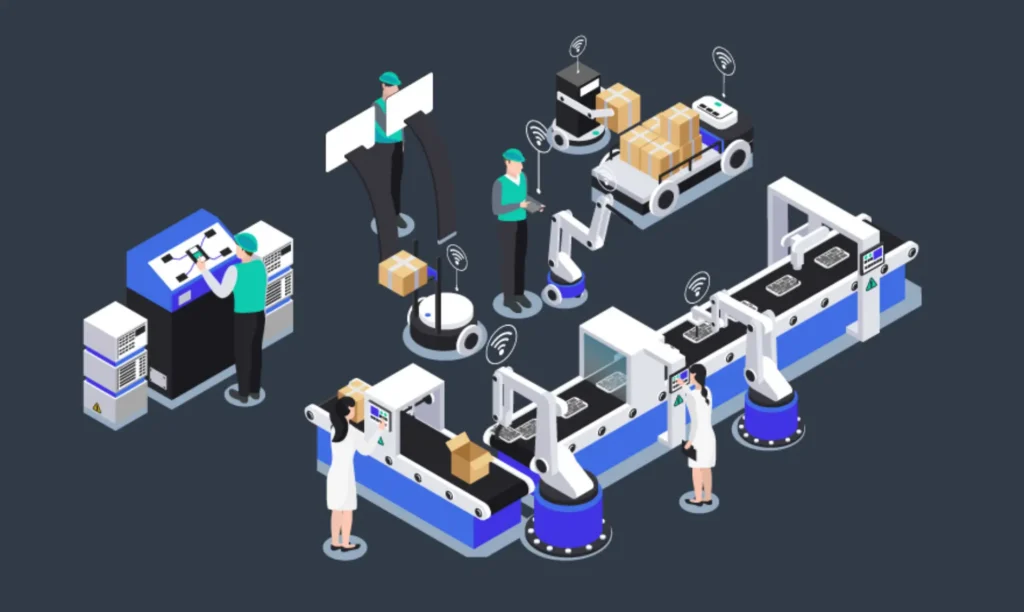
The manufacturing sector has seen a significant evolution in training methodologies. As industries transition into Industry 4.0 and prepare for the subsequent phase, Industry 5.0, there is an urgent need for a new approach to manufacturing training.
Traditional methods fall short in today’s fast-paced environment, necessitating innovative solutions that harness technology to improve efficiency and accessibility in workforce productivity tools. The burgeoning need for an adaptable workforce aligns perfectly with connected worker solutions, which are transforming training methods, including workplace safety training and food safety training.
As we explore the characteristics of an ideal training environment, we will reference the well-established 70:20:10 model as a framework essential for fostering modern learning in manufacturing and workforce development.
70:20:10 Learning Model: A Framework for Training Success
One of the most effective frameworks for enhancing training environments is the 70:20:10 model. This model promotes a balanced approach to learning, emphasizing that effective development comes from a combination of experiential, social and formal training methods:
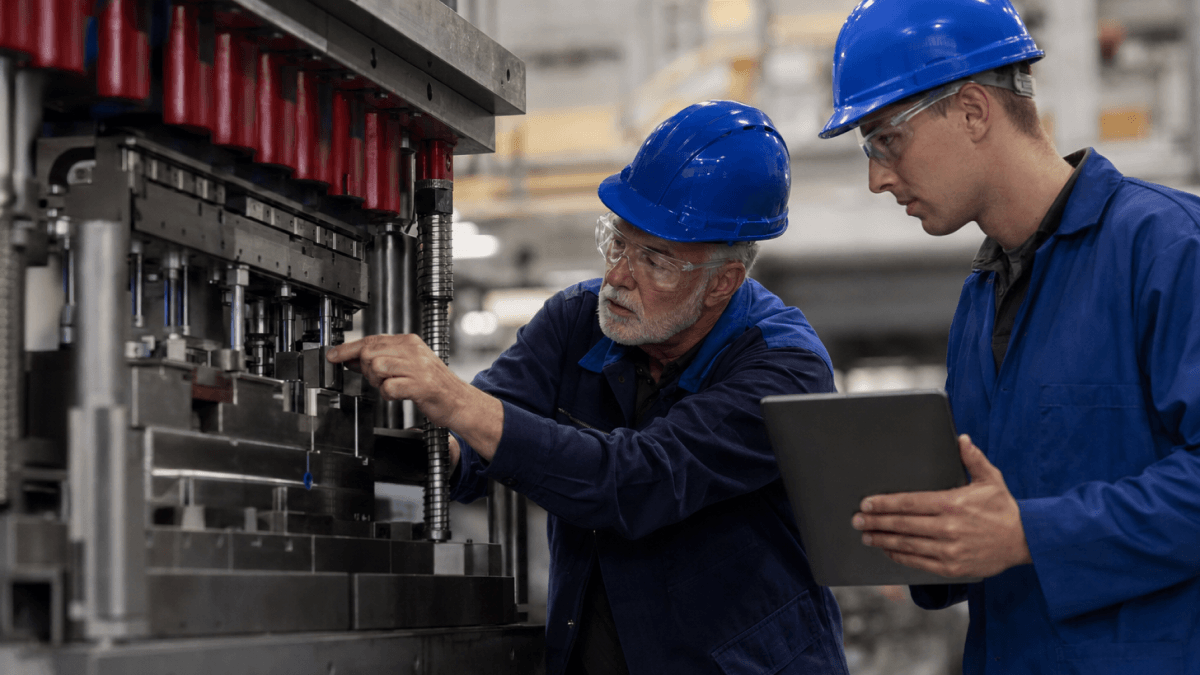
- 70% learning from experience (on-the-job training): This hands-on approach encourages workers to learn through real tasks. For instance, a newly hired technician might shadow an experienced colleague, gaining insights and skills crucial for their role.
- 20% learning from others (peer learning): Collaboration among team members fosters an environment where knowledge is shared. Regular team discussions or lunch-and-learn sessions are fantastic opportunities for workers to learn from peers.
- 10% learning through formal training (classroom or online): Traditional training methods still have their place, but they should be complemented by other learning avenues. E-learning platforms can provide structured courses on safety protocols or machine operations.
Research indicates that experiential learning leads to better retention and application of knowledge in dynamic manufacturing settings. Therefore, adopting the 70:20:10 model allows organizations to reduce reliance on costly, time-consuming formal training events, transforming training into a more adaptive and on-demand process suitable for smart manufacturing.
Reduce Reliance on Formal Training Events and Shadowing
The conventional reliance on formal training sessions and shadowing experienced workers often poses challenges such as high costs, inconsistent outcomes and lengthy downtime. In contrast, the ideal training environment prioritizes autonomous, point-of-need learning, enabling workers to access training content precisely when needed – directly on the shop floor in a paperless factory.
- Micro-lessons: These bite-sized training modules are designed to be completed in a matter of minutes. For example, instead of attending a multi-hour workshop on machine maintenance, a worker can complete a 5-minute micro-lesson covering specific maintenance tasks applicable to their current job, allowing for instant application.
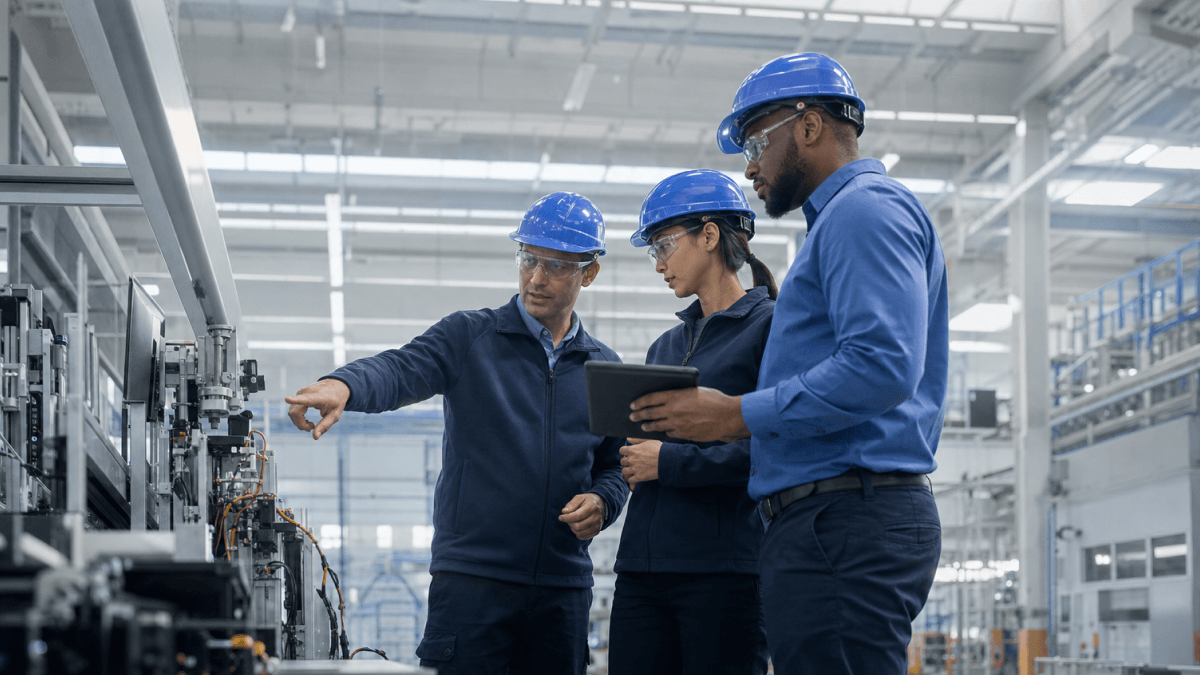
- Accessibility on the shop floor: Today’s workers can utilize mobile devices or tablets to quickly pull up essential instructions, videos or micro-lessons at the point of need. This reduces production downtime, avoids taking workers off the production line and accelerates the acquisition of knowledge.
Research shows that this approach to manufacturing training not only aids in knowledge retention but also enhances job performance. A study revealed that workers who engaged in micro-learning exhibited a 50% increase in knowledge retention compared to those who underwent traditional training sessions.
This kind of flexibility and immediacy ensures that knowledge is retained, applied in real-time, and integrated into daily operations, fostering a continuous learning culture that responds effectively to industry demands and supports Training Within Industry methodologies.
Poka facilitates this process by offering easily accessible micro-lessons and bite-sized training modules directly on the shop floor. By empowering workers to access relevant training content at their fingertips, Poka enhances their ability to immediately apply what they learn, reinforcing knowledge retention while also boosting productivity and efficiency in manufacturing tasks.
Make Training Content More Effective with Visuals & Videos
In the digital age, static and text-heavy training materials are becoming outdated. Incorporating visual and video-based training into workplace safety training and other educational efforts has proven to dramatically enhance engagement, retention and understanding.
- Visual formats: Diagrams, infographics and step-by-step instructions simplify complex processes. For instance, a detailed infographic outlining the safety steps for operating heavy machinery can serve as a quick reference for workers, helping to reinforce learning through visual memory.
- Video tutorials: Demonstrating tasks through video is especially effective. A skilled technician performing a procedure can create a tutorial that workers can view, pausing or rewinding as needed. This method caters to various learning styles and has been shown to boost retention rates significantly. A study indicated that learners retain approximately 95% of information presented in video format compared to only 10% when reading text.
- Addressing language barriers: Visual and video-based training is particularly valuable for non-native speakers, making critical safety protocols and operational instructions universally understood across diverse workforces.
Poka’s connected worker platform provides access to visual aids and video tutorials that simplify complex procedures, ensuring that all team members, including non-native speakers, can understand critical safety protocols and operational instructions. By leveraging Poka, organizations can ensure that training is not only engaging but also accurately delivered, reducing the risk of errors and enhancing overall compliance in food safety practices.
In an environment where clarity and precision are paramount, this multimedia approach not only enhances the overall effectiveness of training content but also mitigates potential errors that could arise from misunderstandings, which is crucial for food safety training.
Provide Workers Visibility into Their Learning Journey
Creating transparent learning pathways and offering progress tracking systems significantly contribute to a motivated workforce. By empowering workers with visibility into their learning journeys, organizations can foster greater ownership over personal development and learning outcomes.
- Digital learning dashboards: These tools allow employees and managers to visualize the training timeline, displaying completed tasks, pending certifications and skills development goals. A well-designed dashboard encourages accountability, motivating employees to pursue their goals actively.
- Self-assessment tools: Providing workers with the means to evaluate their own progress is essential. Self-assessments empower employees to identify areas for improvement, thus promoting a culture of continuous learning and personal development. For instance, an interactive quiz can help a technician assess their knowledge of safety protocols, guiding them to further training if necessary.
- Motivation through clear learning paths: With clearly defined skills and certification requirements, employees experience a sense of direction. For example, visual progress trackers show them how close they are to achieving a specific certification, creating motivation through goal-oriented feedback.
Poka supports this by providing digital learning dashboards that allow employees to visualize their progress, track completed courses and identify areas for improvement. With features like skills management and clear learning paths, Poka empowers workers to take ownership of their training, motivating them to pursue their development actively. This not only increases individual accountability but also aligns with organizational goals, ensuring that the workforce is not only skilled but also adaptable to the evolving demands of the industry.
By fostering this transparency and encouraging proactive participation in their learning journeys, organizations can drive engagement, enhance overall skill acquisition and cultivate a resilient workforce ready to meet industry challenges and support initiatives focused on workforce development.
Empower Workers & Leaders to Stay Current with Training
In an ever-changing industry landscape, ensuring workers and leaders stay updated with the latest training requirements is imperative for operational success. In an ideal training environment, both groups are equipped with the necessary tools for ongoing learning.
- Automated reminders for recertifications: Workers benefit from system notifications regarding upcoming certifications and refresher courses. This proactive approach reduces administrative burdens on managers while ensuring compliance with industry regulations.
- Content updates and push notifications: When training materials are revised due to changes in regulations or procedures, immediate alerts can be sent out to workers. Continuous access to the latest information ensures that training remains relevant and effective.
- Cultivating a culture of continuous learning: Training should not be a one-time event but rather an ongoing process. Regular workshops and interactive sessions should be provided, enabling employees to adapt swiftly to new technologies and methodologies.
By integrating technology that promotes constant learning, organizations can not only maintain compliance but also enhance safety and productivity, fortifying their position in a competitive market driven by the principles of smart manufacturing.
Improve Efficiencies for the L&D Team
The digital transformation of training processes is pivotal for Learning & Development (L&D) teams. By embracing technology, organizations can achieve significant efficiency gains, allowing L&D teams to focus on strategic initiatives and quality improvement.
- Automated tracking and grading: Digitizing exams and certifications allows teams to streamline administration, providing audit trails for compliance purposes. Automation reduces human error and frees up resources for more strategic activities.
Simplified content management: Training materials can be updated and managed more effortlessly. For instance, connected worker solutions enable organizations to create and distribute training content automatically, ensuring all workers receive consistent and accurate information. - Role-based training assignments: Digital tools can facilitate automated training assignments based on a worker’s role, location or skill level. This targeted approach ensures that employees receive the right training at the right time, optimizing resource allocation.
The efficiencies gained through technology not only save valuable time but also improve the overall effectiveness of training programs, enhancing employee engagement and skill development essential for advancing in the connected factory landscape.
Poka plays a crucial role in this transformation by automating training assignments based on each worker’s role, location and skill level, ensuring that employees receive the right training at the right time. Additionally, Poka’s streamlined content management system allows for quick updates and distribution of training materials, ensuring that all workers have access to the most current information. By simplifying these processes, Poka not only boosts productivity but also fosters a more engaged and skilled workforce, ready to thrive in the fast-paced, interconnected manufacturing environment.
Integrate with Learning Management Systems (LMS)
While many manufacturers utilize corporate Learning Management Systems (LMS) for training tracking, these platforms often fall short in addressing the unique needs of manufacturing environments. The ideal training environment integrates seamlessly with existing LMS tools while providing additional functionalities tailored to the shop floor.
- Real-time tracking and reporting: Factory-specific platforms complement corporate LMS by offering detailed tracking of shop-floor training activities and skill development. By implementing these tools, manufacturers can obtain insights into employee progress, allowing for more informed decision-making regarding training investments.
- Overcoming spreadsheet reliance: Many factories still rely on spreadsheets to track role-specific skills and certifications. Integrating connected worker platforms digitizes and automates these processes, enhancing visibility and control over workforce capabilities.
Creating a holistic learning ecosystem: This integration ensures consistency across locations and departments while maintaining the flexibility to meet factory-floor needs. For example, training records can be easily accessed and analyzed to identify trends and gaps in skills.
By providing a connected ecosystem for training, organizations can achieve a higher level of responsiveness and adaptability, positioning themselves effectively for future industry challenges.
Poka helps facilitate this by integrating seamlessly with existing Learning Management Systems (LMS) and offering real-time tracking of training activities on the shop floor. This connectivity allows organizations to quickly assess workforce skills and identify gaps in knowledge, enabling prompt adjustments to training programs as needed. Furthermore, Poka’s analytics tools provide insights into training effectiveness, ensuring that organizations can adapt their strategies to meet evolving industry demands. By harnessing these capabilities, Poka empowers manufacturers to remain agile and prepared for the challenges of tomorrow’s manufacturing landscape.
Immersive Training for High-Risk or New Workers
The use of immersive technologies, such as Augmented Reality (AR) and Virtual Reality (VR), has become critical in manufacturing training, especially for high-risk tasks or onboarding new employees. These technologies offer unique benefits and transformative experiences that enhance workforce preparedness.
- AR/VR simulations: These tools provide a safe environment for workers to practice complex tasks, handle hazardous materials, or troubleshoot equipment without the risk of injury or damage. By engaging learners in realistic scenarios, these simulations foster confidence and enhance skill retention.
- Pre-factory-floor training: New hires or employees transitioning to new roles can experience realistic, immersive training before stepping onto the shop floor. For instance, they can practice operating machinery in a controlled VR environment, reducing anxiety about their first day on the job.
- Training in safety-critical roles: Immersive technologies are invaluable for training in high-risk positions. Workers can gain practical experience and critical skills in a risk-free setting, significantly improving safety outcomes on the job.
By integrating AR and VR into training programs, organizations equip their workforce with the necessary skills to navigate complex tasks confidently, enhancing both safety and productivity in the manufacturing environment.
Building a Future-Ready Workforce through Innovative Training Solutions
In conclusion, creating an ideal manufacturing training environment requires a paradigm shift towards embracing innovative technologies and methodologies. By leveraging the 70:20:10 learning model, organizations can cultivate a workforce that is more adaptable and engaged, reducing reliance on traditional training methods. Poka, with its connected worker solution, empowers manufacturing teams by providing a seamless platform that emphasizes visual content, autonomous learning and continuous feedback. This approach creates a dynamic ecosystem where employees can thrive.
With Poka, L&D teams can streamline training management processes, ensuring that workers have immediate access to digital work instructions, real-time updates and essential resources at their fingertips. By integrating Poka’s tools, organizations enable individual workers to take ownership of their learning journeys and enhance their on-the-job training experiences. As the industry advances toward Industry 5.0, investing in Poka’s innovative training approaches will be crucial for manufacturers striving to maintain a competitive edge and foster a future-ready workforce.
Unlock the potential of the ideal manufacturing training environment! Experience how Poka’s connected worker platform can transform your training challenges into opportunities for growth and efficiency. Book a demo with Poka today and see the difference for yourself!