





Published on February 24, 2025
Learn how to implement a Connected Worker Solution (CWS) in manufacturing training with best practices and real-life case studies to enhance workforce development and safety.
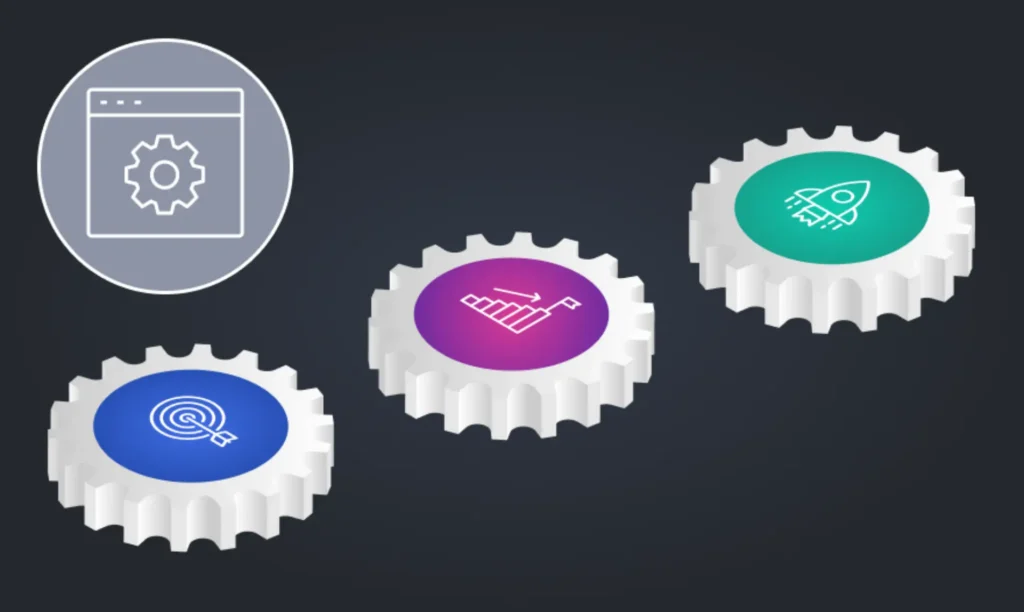
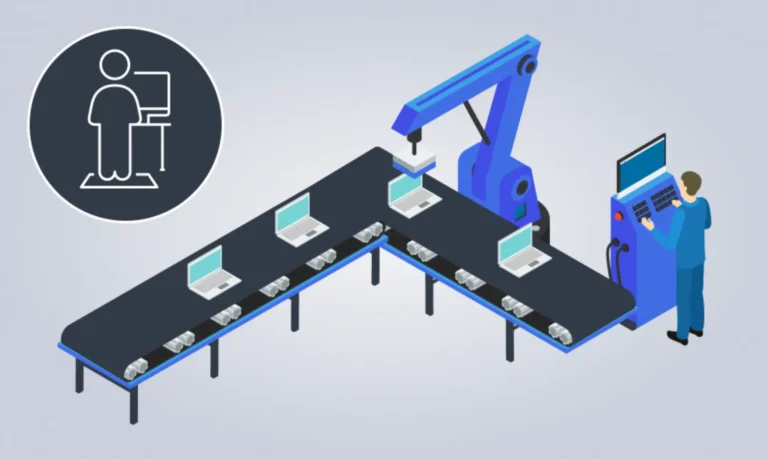
Implementing a Connected Worker Solution for manufacturing training is essential for empowering teams and driving long-term success. In a landscape shaped by Industry 4.0 and Industry 5.0, organizations must adopt innovative strategies to thrive. A structured, phased approach to deploying a CWS facilitates the gradual build-up of skills and capabilities, ensuring thorough understanding, confidence and practical application at each stage. This article will guide you through the necessary steps to implement a CWS effectively while incorporating best practices and real-life scenarios from successful implementations.
1. Building the Foundation: Aligning Goals for Successful Connected Worker Solution Implementation
The Initial Planning Phase
The implementation journey begins with a crucial planning phase, where you and your chosen vendor establish the foundational elements necessary for success. This step is critical for aligning on training goals, setting practical use cases and configuring the platform to support specific organizational processes and training requirements.
Tetra Pak, for example, is a manufacturing company that specializes in food packaging. They faced challenges in maintaining food safety standards across multiple plants. The management team, in collaboration with Poka, organized initial meetings to identify key stakeholders, which included production supervisors, safety officers and IT personnel.
Step 1: Identify Key Stakeholders
It is vital to recognize and involve key stakeholders who will access the platform and start setting up essential structures. For Tetra Pak, involving food safety officers early on ensured that their insights shaped the platform to address regulatory compliance. Stakeholders can include not just production managers, quality assurance managers, engineering managers and supervisors, but also operators, maintenance personnel and even workers on the production floor who will ultimately use the systems being set up.
Step 2: Understanding Core Features
Early sessions allowed the client to develop an understanding of core features and workflows. By engaging stakeholders who would ultimately be end-users, the company could determine which features were most critical to their operational needs. This collaborative engagement fosters a sense of ownership among employees – leading to higher engagement levels in the training process.
Step 3: Start Small with High-Impact Use Cases
Focusing initially on a select few high-impact use cases allows for quick value delivery.This will not only streamlined training, but also minimize human error, which is a significant factor in food safety. By prioritizing scenarios where the need for effective training is most acute, organizations can demonstrate immediate results that encourage broader adoption of a connected worker solution like Poka.

2. Building Competency and Expanding Scope
With a firm foundation in place, the next phase centers on building competency and expanding the project scope. This stage involves detailed collaboration with the internal project team to structure and integrate core functionalities like digital work instructions, skills tracking and user roles.
Step 1: Continuous Vendor Support
Ensure regular check-ins and hands-on vendor support to confirm that training materials and resources are being effectively developed. For instance, Tetra Pak’s vendor scheduled weekly calls to assess progress and address any issues that arose. In addition, the vendor can provide insights into industry best practices, ensuring that the implementation remains aligned with current standards and methodologies.
Step 2: Create Engaging Digital Content
Develop templates and digital content, such as videos and step-by-step guides, to offer employees clear and visual support for their tasks. By digitizing training materials, Huhtamaki achieved a 25% reduction in training time. The integration of digital work instructions and engaging content enhanced the onboarding process, allowing new employees to quickly learn and apply skills. This shift also improved employee engagement and empowered them to contribute actively to their learning.
Step 3: Validation and Refinement of Use Cases
The implementation team should work with you to validate and refine use cases. In our food packaging example, the client ran pilot tests in specific production lines to gather feedback and adjust training materials and digital work instructions before full rollout. This iterative approach allows for real-time adjustments, ensuring that the final training materials are effective, relevant and well-received by the workforce.
Step 4: Expanding to Broader Use Cases
Once foundational training is streamlined, organizations can begin to expand the scope of the CWS to include additional functionalities and training modules. This could range from introducing advanced safety protocols to incorporating skills assessments for different job roles. For example, an organization may start with onboarding new hires but later introduce advanced modules on machinery operation or compliance training, addressing the diverse needs of the workforce and enhancing overall competency levels.
3. Launch and Scale
In the final stage, the focus shifts toward full deployment and readiness of the end-users. Trainers within the client organization receive dedicated training sessions to empower them to support end-users effectively.
Step 1: Adopt a “Train-the-Trainer” Approach
This method equips frontline workers with the skills and confidence they need to use the CWS effectively. Nestlé used this approach by selecting experienced employees as trainers. Nestlé’s trainers could share practical insights while ensuring that new employees felt confident navigating the system. This peer-led training fosters a supportive culture, where employees can learn from one another, further enhancing their skills.
Step 2: Training on Live Features
Conduct training sessions where users across the organization learn to utilize live features, ensuring a seamless transition to everyday operations. A manufacturer could organize a “go-live day” where employees could practice using the platform in real-time scenarios under the supervision of their trainers. Such immersive training experiences can help alleviate anxiety around new systems, facilitating smoother transitions.
Step 3: Establish a Success Plan
Create a success plan to ensure continuous support and establish a roadmap for future growth and optimization of the CWS. Poka’s customers continue to experience ongoing success by regularly reviewing performance metrics, allowing them to identify areas needing improvement. Key performance indicators could include tracking time taken to complete training modules, success rates in safety audits and overall productivity levels.
Real-Life Application: Case Studies
Discover how organizations unlocked their potential with Poka’s Connected Worker Solution to transform their manufacturing training processes, boost employee engagement and achieve measurable improvements in compliance, productivity and waste reduction:
Food Manufacturer Success: Boosting Compliance and Reducing Waste with Video Lessons
A food manufacturer achieved zero non-compliance issues for the first time by digitizing their training materials and incorporating video micro-lessons. The transition from long, text-heavy SOPs to easily accessible and understandable video instructions improved training efficiency and employee engagement. Workers now access the resources they need directly at their workstations, enabling them to follow proper procedures in real-time. This shift led to a 9% reduction in waste and a significant boost in compliance scores, now reaching 91%.
Packaging Manufacturer Success: Standardized Training for Enhanced Efficiency
A manufacturing plant enhanced their training processes by adopting Poka’s connected worker platform. They developed nearly 250 new digital training guides, streamlining onboarding and improving knowledge retention. This approach led to increased productivity and reduced errors by providing easily accessible, standardized training materials.

Conclusion: Unlocking Long-Term Success with a Connected Worker Solution
Implementing a Connected Worker Solution for manufacturing training not only enhances learning on the factory floor, but also supports overall workforce development. This structured approach – comprising foundation and alignment, building competency, and launching at scale – will allow you to effectively empower your team while embracing smart manufacturing principles.
By adopting a CWS, your organization can harness the full potential of connected factory technology, ensuring that your workforce is ready to meet the challenges of Industry 4.0 and Industry 5.0. Implementing these strategies will equip your teams for lasting success, enhancing your manufacturing training processes and driving overall operational efficiency for years to come.
A well-planned, executed, and continuously improved CWS will lead to a more skilled, engaged, and productive workforce, ultimately propelling your organization toward achieving its long-term goals.
Schedule a demo today and take the first step toward empowering your workforce and enhancing your operations with a smarter, more connected approach to manufacturing training.