




Published on February 7, 2025
Discover how Connected Worker Apps improve manufacturing training, safety and productivity.
Introduction: Transforming Manufacturing Training with Connected Worker Apps
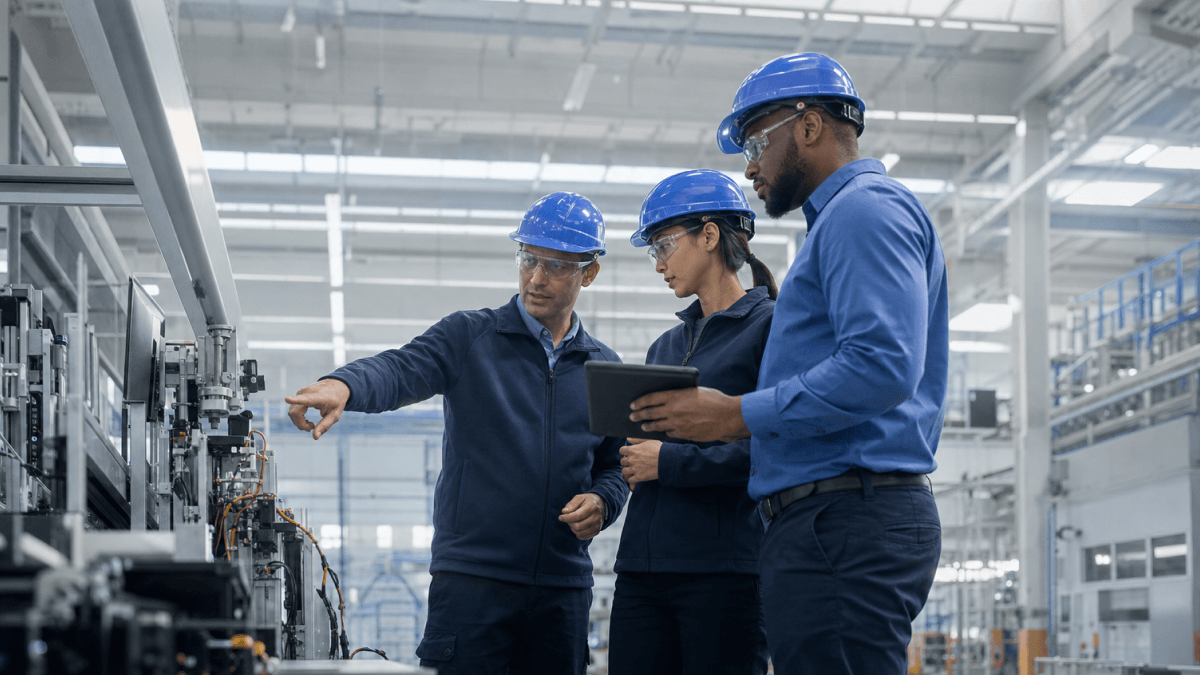
In today’s competitive manufacturing landscape, effective Manufacturing Training is crucial for ensuring operational success and compliance with industry standards. As the industry evolves with the integration of Industry 4.0 and the transition to Industry 5.0, Connected Worker Solutions (CWS) have emerged as essential tools for enhancing skills and fostering Workforce Development. These digital solutions improve operational efficiency, safety, quality and employee satisfaction—ultimately driving measurable improvements across key performance metrics such as safety, quality, productivity and skills versatility.
In this blog post, we’ll explore the key advantages of using connected worker apps for training across all manufacturing operations, including their positive impact on Workplace Safety Training and Food Safety Training.
1. Skills Versatility and Coverage
Connected worker apps are vital for offering broad, versatile training that meets the diverse needs of the workforce.
On-Demand Access to Training Modules
Connected worker solutions like Poka allow workers to easily access training modules on-demand, covering a wide range of tasks, equipment or processes. This capability ensures that employees can quickly gain the knowledge they need, regardless of location or role – fostering an adaptable workforce capable of tackling multiple responsibilities.
Real-Time Learning
With immediate access to digital work instructions, workers can upskill or reskill as new demands arise, effectively closing skills gaps. This adaptability is essential for keeping organizations resilient and competitive in a fast-paced manufacturing environment. The ability to learn in real-time supports the principles of Training Within Industry, which focus on efficient training methods.
2. Better Training Leads to Improvements in All SQDC Metrics
Connected worker apps support consistent, high-quality training across the workforce, which improves performance across Safety, Quality, Delivery and Cost (SQDC) metrics. For example, Nortek’s use of digital checklists, real-time quality tracking, and competency-based feedback loops led to a 14% improvement in First Pass Yield, enhanced operator accountability and empowered supervisors to address issues more effectively.
Consistency in Training Materials
By standardizing training materials, connected worker apps minimize variability in performance. This results in fewer errors and higher output quality. A notable example is Huhtamaki, which experienced a 14% improvement in First Pass Yield after implementing a connected worker solution.
Efficiency and Safety Enhancement
Workers are empowered to complete tasks faster and more safely with easy access to updated procedures and checklists directly from the app. This uniformity in training drives continuous improvement in manufacturing processes, supporting Smart Manufacturing goals.

3. Increased Productivity
Connected worker apps, such as Poka, help workers understand and implement best practices for performing tasks, which directly impacts Manufacturing Productivity.
Instant Access to Resources
Workers no longer need to rely on supervisors or wait for formal training sessions to learn new skills or troubleshoot equipment issues; they can consult digital work instructions, videos or diagrams at any time. This approach aligns with the 70:20:10 model, where 70% of learning occurs through on-the-job experiences, 20% through social interactions, and 10% through formal training. For instance, Kimberly Clark saw a 90% improvement in access time to procedures, significantly enhancing productivity by enabling workers to solve problems and learn in real-time.
Reduction in Task Time
The immediacy of digital content accelerates the learning curve, allowing workers to complete tasks more quickly and accurately. This increase in speed and efficiency contributes to significant productivity gains, enabling manufacturers to meet tight production schedules without compromising quality.
4. Enhanced Workplace Safety and Compliance
Workplace Safety Training is critical in manufacturing environments, and connected worker apps significantly enhance safety by ensuring that workers are well-trained and informed about safety protocols and procedures.
Safety Reminders and Checklists
Connected worker apps like Poka deliver real-time safety updates through the Factory Feed™, keeping workers aware of potential hazards and the proper steps to mitigate risks. This proactive safety training and awareness helps manufacturers maintain compliance with regulatory standards and improve overall workplace safety.
Immediate Access to Safety Content
Workers can refresh their knowledge of safety procedures quickly, minimizing the likelihood of accidents and injuries. This focus on Food Safety Training and overall workplace safety contributes to a safer workplace culture.
5. Better Quality Control and Reduced Errors
Training supported by connected worker apps leads to improved quality control and a reduction in operational errors.
Step-by-Step Guides
Workers can follow digital work instructions that ensure procedures are executed correctly every time, significantly minimizing mistakes and ensuring adherence to quality standards.
Real-Time Troubleshooting
Should an issue arise, workers can consult the app for quick troubleshooting tips, preventing small problems from escalating into larger ones. By minimizing errors, manufacturers can reduce waste and improve customer satisfaction.
6. Improved Employee Engagement, Competence and Confidence
Connected worker apps are a powerful tool for enhancing employee engagement, which is crucial for driving productivity.
Engaging Learning Experiences
Interactive content, such as videos and quizzes, enhances learning engagement and retention, leading to higher employee satisfaction. Manufacturers need to strike a balance between digital and analog training methods to provide workers with necessary skill development while fostering interpersonal relationships with experienced workers and supervisors.
This integration is essential for building a supportive community. Without it, younger workers can become disengaged, leading to higher absenteeism and reduced productivity. According to McKinsey’s talent trends research, about three in five Gen Z workers in manufacturing are disengaged, a figure that mirrors disengagement rates in other industries. This level of disengagement is estimated to cost U.S. manufacturers between $20 billion and $40 billion annually.
Competence Tracking
Workers can monitor their progress and skill development in real-time, boosting their confidence and motivation to keep improving. After implementing connected worker apps, Huhtamaki saw a 7% increase in employee satisfaction, demonstrating positive effects on morale.
7. Faster Onboarding and Accelerated Time to Productivity
One of the benefits of connected worker apps is the ability to accelerate onboarding and reduce the time it takes for new hires to become productive members of the workforce.
Streamlined Onboarding Process
New workers learn how to use connected worker apps for continuous learning, empowering them to quickly access critical training resources when they need a refresher on a skill or encounter unfamiliar problems.
Visual Training Content
Visual training content speeds up the learning process, helping workers quickly understand safety protocols, equipment operations and procedures. By incorporating microlearning, short and focused modules, workers can easily absorb key information in small, digestible chunks, which enhances retention and boosts overall training efficiency. Microlearning not only improves knowledge retention but also allows workers to apply what they’ve learned in real-time, reinforcing skills as they go.
Reduced Scheduling Conflicts
By enabling new hires to review training content independently before shadowing experienced operators, the time required with a trainer is minimized. This reduction in scheduling conflicts helps keep production on track, ensuring a seamless integration into the workforce.
Reduced Time to Productivity
With quicker access to essential information and real-time learning tools, new hires can contribute to production more rapidly. This efficiency reduces the overall cost and time associated with onboarding. Notably, one Poka client reported a 20% boost in their onboarding survey scores after implementing connected worker solutions.
8. Higher Employee Retention and Satisfaction
Lastly, connected worker apps have a direct impact on employee satisfaction and retention. When workers feel empowered, engaged and competent, they are more likely to remain loyal to the company.
Continuous Learning Opportunities
Providing ongoing training through connected worker apps shows employees the company is invested in their growth, resulting in increased job satisfaction.
Clear Career Pathways
With the ability to track skills and training progress, employees can visualize their career advancement within the organization. This focus on employee development reduces turnover rates and ensures that the workforce remains skilled and motivated. For example, a leading global confectionery manufacturer reduced its turnover rate by 9% after implementing Poka.
Conclusion: Unlocking the Potential of Connected Worker Apps in Manufacturing Training
The integration of connected worker apps into Manufacturing Training is transforming the landscape of workforce development. These digital solutions foster skills versatility, enhance workplace safety, improve quality control and lead to increased employee engagement and retention. By leveraging connected worker apps, manufacturers can build a more competent, agile, and satisfied workforce, ultimately driving success in a competitive market.
As we advance toward a future characterized by Smart Manufacturing and Paperless Factory concepts, investing in innovative manufacturing training solutions will become increasingly essential for organizations looking to thrive in an evolving landscape.
Ready to transform your manufacturing training process? Don’t miss the opportunity to maximize efficiency and productivity in your workforce!
Get Started Today and see how Connected Worker Apps can transform your operations and help you achieve your training goals