



Published on December 2, 2024
Successful manufacturers recognize continuous improvement needs to be part of the culture, where empowered workers help improve standard work.

Successful manufacturers are always looking for ways to do things better: they understand it’s the only way to thrive and grow. But true industry leaders also recognize continuous improvement can’t be left to chance. Instead, it needs to be part of the culture and process, where involved and empowered workers help create, operationalize and improve standard work.
Creating such a culture isn’t easy, but a connected worker app will help smooth the path. Here’s how.
Drive Out Waste and Variability Through Continuous Improvement
Continuous improvement occurs when an organization makes a serious, concerted, and enduring effort to find and eliminate waste from its operations. The most well-known waste reduction and continuous improvement methodologies are Lean Manufacturing and Six Sigma, although many variations exist today including Total Productive Maintenance (TPM) and Integrated Work System (IWS).
As manufacturers who’ve taken this path will confirm, adopting these ways of working and integrating them into the organizational culture takes an extraordinary amount of work.
The biggest barriers encountered on the journey are:
- Poor communication
- Lack of resources
- Resistance to change
- Absence of strong and committed leadership
A connected worker app like Poka has a direct and immediate impact on the first two, and by empowering workers to identify and make improvements, it can address the third. This is part of the broader connected worker approach, which enhances safety, efficiency, and job satisfaction while facilitating digital transformation within companies.
Understanding Continuous Improvement in Manufacturing
A closer look at Lean and Six Sigma will lead to a clearer appreciation of how a connected worker app supports improvement efforts.
Lean is about finding and eliminating waste. It uses Kaizen (a Japanese word meaning continuous improvement) to do this. Within Kaizen there are tools, like Value-Stream Mapping, Gemba and Root Cause Analysis, that teams use to methodically find and remove anything unnecessary. An important principle of Lean is that it is a journey without end.
In contrast, Six Sigma is a data-driven, analytical effort to understand and eliminate the sources of process variation. As such, it’s more of a process improvement tool than Lean, although the concept that variation creates waste is common to both methodologies.
The main Six Sigma problem-solving tool is DMAIC (Define, Measure, Analyze, Improve, Control). Also widely used are Failure Mode and Effects Analysis (FMEA) and Root Cause Analysis.
Whichever approach to continuous improvement an organization adopts, the core elements are the same: engage the people most familiar with the processes to view issues as opportunities for improvement, and empower them to make the changes needed.
Role of Connected Worker Solutions in Driving Continuous Improvement
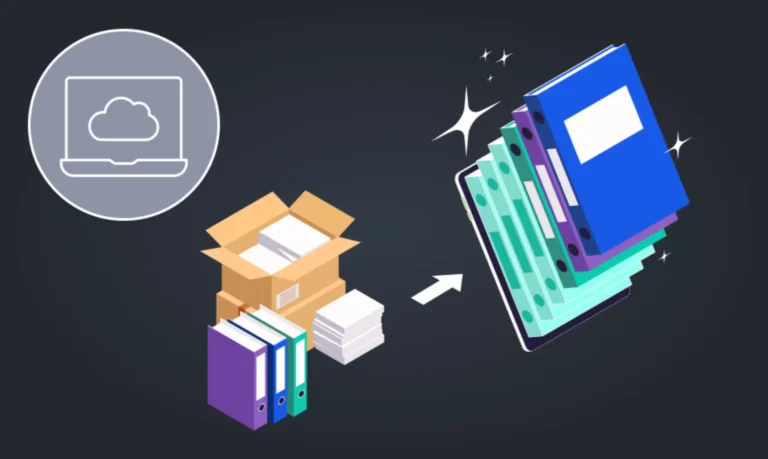
Most manufacturers store information like work instructions, flow charts and templates digitally. It makes for faster updating and better document control, but they’re not readily accessible by frontline workers when and where they need them. A connected worker solution solves this issue.
The Poka app runs across web browsers, iOS and Android on desktop, smartphone and tablet devices—integrated through an API to core systems like ERP, the QMS and the CMMS. Connected worker solutions enhance workforce productivity and collaboration by connecting employees to crucial information, tools and each other. Workers use Poka to access digital work instructions and information they need, view video and images, and make changes and submit updates as appropriate.
The app also acts as a communication hub, letting workers post help requests and ask questions of subject-matter experts (SMEs) and people working on other lines. Poka’s Factory Feed™ function enables sharing of news and information that helps others do their jobs better and stay informed.
Connected worker technology facilitates continuous improvement by:
- Making it easier and faster for workers to report issues, ask questions and share ideas
- Providing resources like digital work instructions and checklists for Lean and Six Sigma implementation
- Ensuring continuous improvement tools are used consistently and to standard
- Enabling capture and analysis of data
- Making training records and certifications visible to managers
- Letting workers use pictures and video to document processes and improvement ideas
Key Use Cases for Supporting Continuous Improvement
Although it’s clear there are many ways in which connected workers leverage digital technologies to support continuous improvement efforts, some specific examples will help illustrate the potential impact it can have.
5S Checklist
One of the first steps in implementing Lean is to organize the workplace. The lean tool for workplace organization is 5S. (The five “S” words are, Seiri (sort), Seiton (organize), Seiso (shine/clean), Seiketsu (standardize) and Shitsuke (sustain).) This standardizes where tools and equipment are located. Going through the 5S process helps workers spot opportunities to drive efficiency, safety and overall operational excellence.
A connected worker app supports 5S in two ways:
- Provides access to checklists that streamline and standardize 5S implementation through connected worker platforms
- Lets workers document and share their 5S efforts as a way to inspire others, supporting a culture of continuous improvement
Standard Work Procedures
Standard Work is a core element of both Lean and Six Sigma. By implementing a connected worker solution, each task is always done the best way, eliminating variability, improving quality, and ensuring consistent execution.
With a connected worker app, Standard Operating Procedures (SOPs) are easily accessed and viewed. Where continuous improvement efforts like gemba walks and kaizen events identify beneficial changes, the app makes it easy to document and submit changes for approval. Then, when formally adopted, workers can be notified of the revised SOPs, again, through the app.
Leader Standard Work
When applied to operational leaders, Standard Work ensures processes, such as those for continuous improvement, are followed consistently. This results in ongoing improvement that, over time, yields dramatic productivity gains.
A connected worker app like Poka gives leaders the tools and guidance they need. It can include pre-shift meeting checklists, gemba walk routes, tools for auditing 5S compliance and access to SOPs. When standardized across a plant and used consistently, these tools achieve significant reductions in waste, variability and non-value-adding work.
Abnormality Reporting
A challenge workers face in many plants is reporting things they see or hear that seem “not right”. This can range from abnormal noises or odors from a machine to unexpected variation in product appearance and even safety concerns. The problem is that they are usually busy, it can be hard to get the attention of someone who should be told, and they may not even know who to tell.
With connected worker platforms any abnormality can be reported to the person or team best placed to investigate. Better still, the ability to capture and share pictures and video makes it easier to explain what’s going on. The result is that changes are made quickly, leading to steady improvement over time.
Tacit Knowledge Capture
Many manufacturers have an aging workforce and a wave of retirements is looming, if it hasn’t already arrived. Implementing a connected worker solution poses a serious operational risk because, no matter how thoroughly processes are documented, there is always an element that relies on worker knowledge and experience.
A connected worker app helps address this potential loss of knowledge in two ways.
- It’s a tool for capturing the knowledge and experience of workers about to leave. And importantly, this can be done by video rather than asking them to write down important tips for their successors.
- Using tablets and apps on the plant floor shows prospective employees the manufacturer runs a modern, forward-thinking organization where workers are empowered to identify improvements.
Operational Knowledge Management
Modern manufacturing operations are highly complex and workers can’t slot in and make an impact from Day 1. In particular, it’s only possible to identify and implement improvements once workers have the skills and process knowledge to use equipment safely while optimizing resource consumption.
Connected worker solutions compress the time needed for new hires to become effective and start contributing to continuous improvement efforts. This is achieved through a combination of onboarding tools like training checklists, safety guides and quizzes that test and verify knowledge and skills, plus detailed SOPs for every task.
Benefits of Using a Connected Worker App to Support Continuous Improvement
A connected worker app helps build a continuous improvement culture by:
- Giving the Gemba a voice and an easy way to contribute to improvement efforts
- Improving access to CI-related content
- Streamlining training and certifications
- Empowering collaboration for optimal team performance through connected worker platforms
- Ensuring standards are followed
- Helping to identify and resolve issues faster
- Capturing, analyzing and gaining insights from data to spot opportunities for improvement
- Streamlining the creation, access and communication of CI related content with AI
Manage Knowledge Better For Enduring Success
Continuous improvement is vital for sustained success in manufacturing. At the same time, it’s hard to bring about and sustain. Particular barriers are communications, a lack of resources and most importantly, workers that don’t feel empowered to propose and implement improvements.
Poka’s connected worker app addresses these points by boosting communication, sharing knowledge and supporting issue reporting. By leveraging the connected worker approach, it enhances safety, efficiency, and job satisfaction while facilitating digital transformation. When deployed on the plant floor, the result is consistent improvement in productivity and related metrics.
If your continuous improvement efforts are flagging or progress is lackluster, we can help. Contact our helpful team to learn how to drive continuous improvement with Poka.