



Published on February 20, 2026
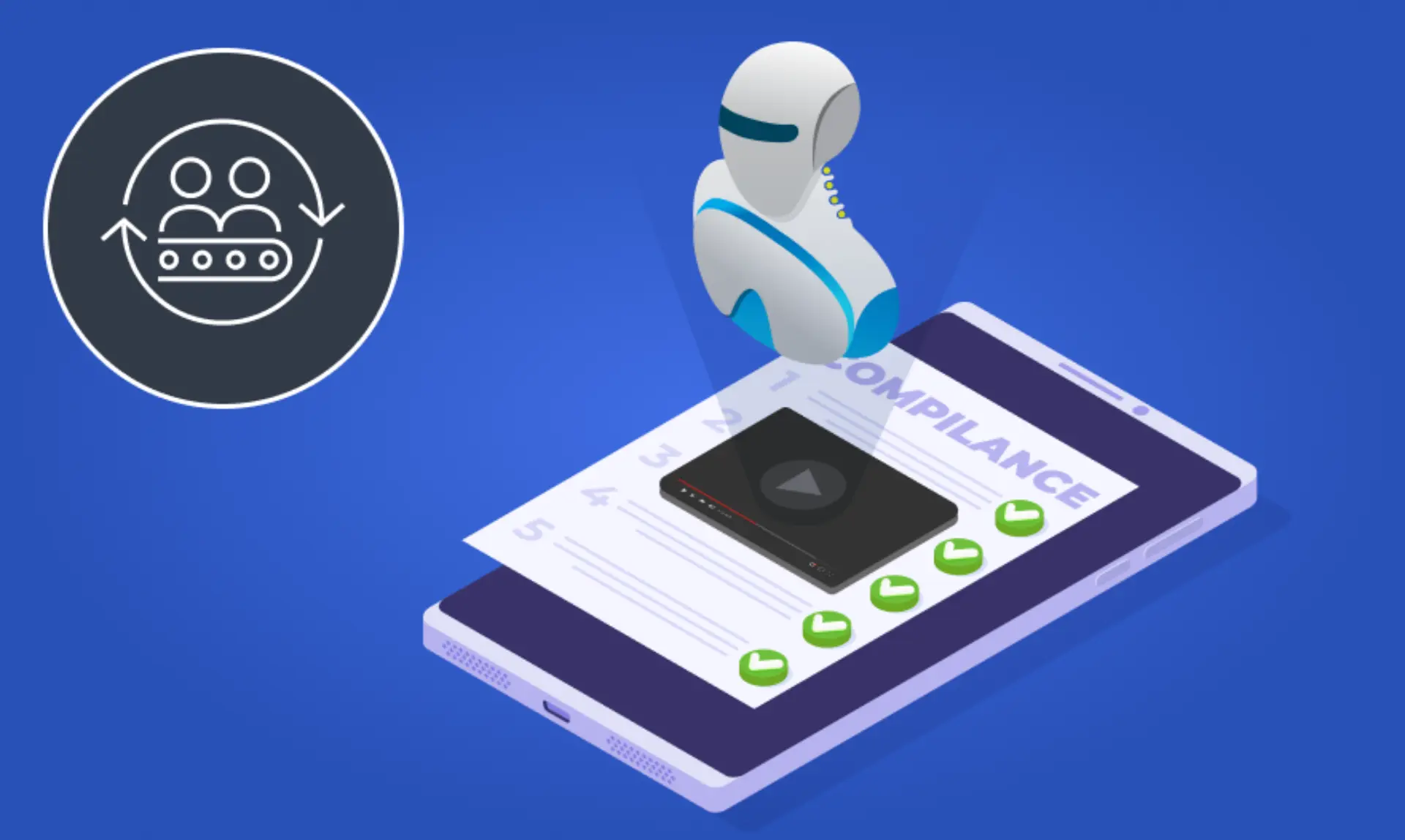
Learn how manufacturers can deploy Agentic AI safely on the factory floor using human-in-the-loop design, connected frontline workflows, and enterprise-grade governance.
Key Takeaways
- Agentic AI in manufacturing works best when it augments human expertise, not replaces it
- The factory floor requires guardrails, context and trust for AI to deliver value
- Agentic AI maturity evolves from Assistant to Copilot to Proactive Partner
- Connected frontline workflows are the foundation for safe, scalable AI
- Poka enables human-in-the-loop Agentic AI embedded directly in daily work
Agentic AI Is Coming to Manufacturing – But Not the Way You Think
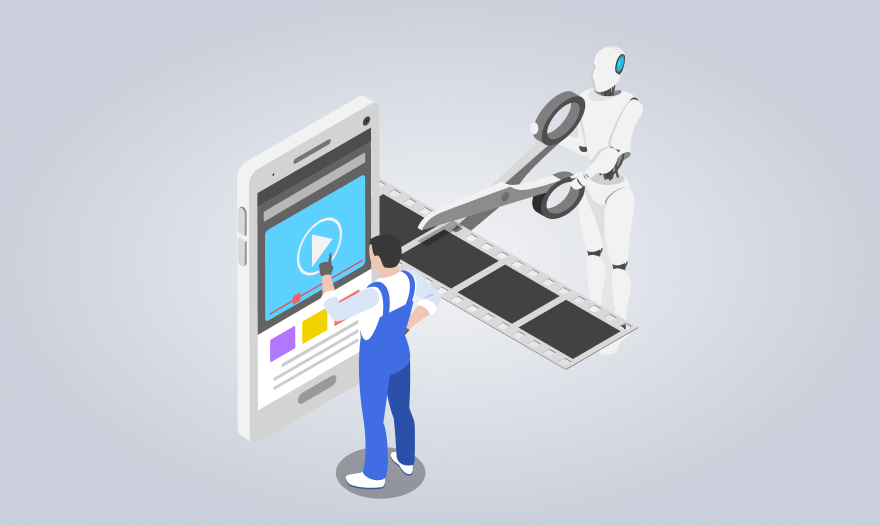
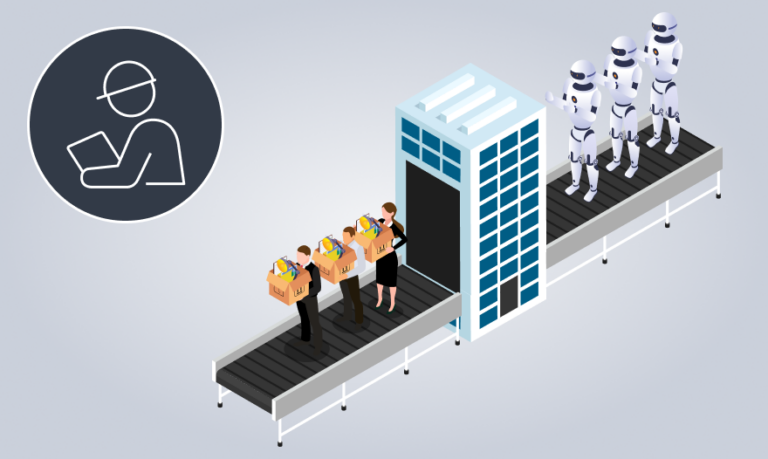
Agentic AI is quickly emerging as the next evolution of artificial intelligence in manufacturing. Often described as autonomous digital workers that can perceive their environment, reason over data and take action, it’s easy to assume that agentic AI is about removing humans from the equation.
On the factory floor, that assumption creates risk.
Manufacturing environments are complex, variable and safety-critical. Autonomy without operational context, human judgment and oversight can undermine trust, quality and safety. The factory floor doesn’t need AI that operates independently – it needs AI that operates collaboratively.
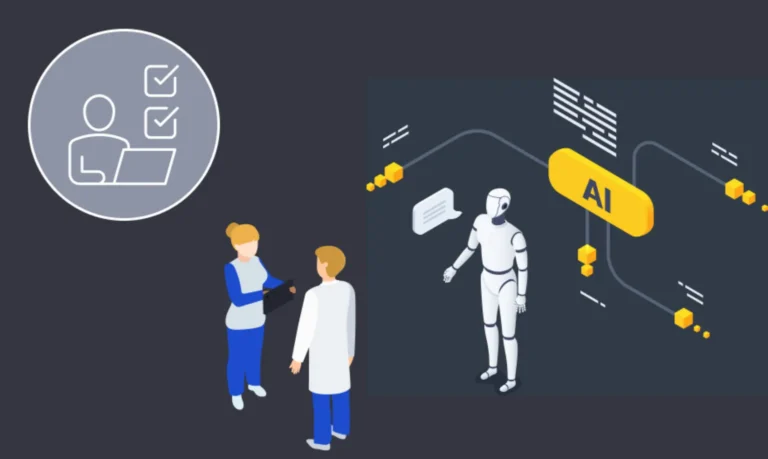
The real opportunity for agentic AI in manufacturing lies in intentional, guided action. AI systems that observe frontline context, reason over operational data and recommend or initiate actions – while keeping humans firmly in control.
Poka enables agentic behaviors within frontline workflows, not outside them. By embedding AI directly into how work is performed, manufacturers can turn agentic AI from a theoretical concept into a practical, controlled capability on the shop floor.
What Agentic AI Means in a Manufacturing Context
In a manufacturing environment, Agentic AI must be defined in practical, factory-safe terms.
At its core, Agentic AI can:
- Observe context from connected frontline activities
- Reason over real-time and historical operational data
- Recommend or initiate actions aligned to operational goals
However, one principle remains constant: humans retain control over decisions and execution.
Rather than jumping to full autonomy, agentic AI evolves through a clear maturity model:
Assistant → Copilot → Proactive Partner
- Assistant: Supports workers with content creation, knowledge access and routine tasks
- Copilot: Guides execution by highlighting risks and recommending next best actions
- Proactive Partner: Identifies patterns, anticipates issues and proposes improvements
Poka supports each stage of this maturity model directly on the frontline, ensuring AI capability grows alongside trust, governance and operational readiness.
Why the Factory Floor Is the Hardest – and Most Valuable – Place to Deploy Agentic AI
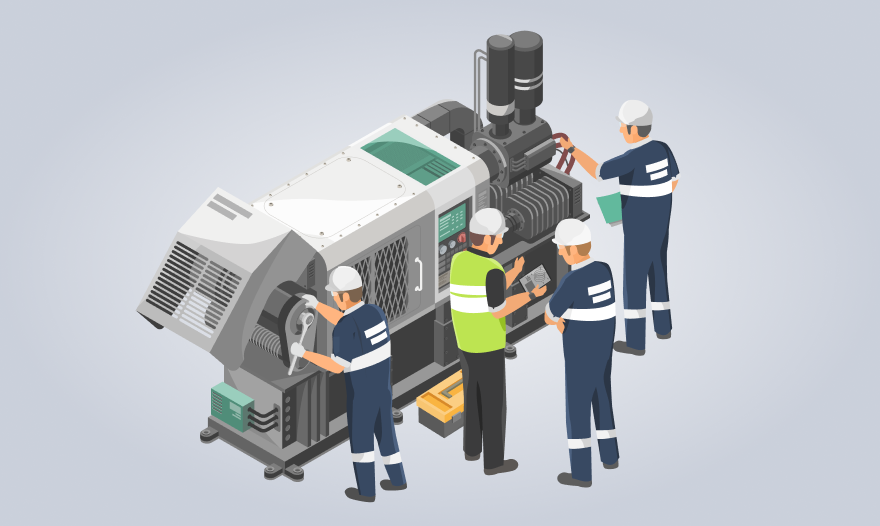
The factory floor is one of the most challenging environments for AI deployment.
Manufacturers face:
- High variability across shifts, equipment and sites
- Significant safety and compliance requirements
- Constant human interaction and decision-making
- Fragmented data spread across paper, PDFs and tribal knowledge
At the same time, this is where agentic AI can deliver the most value.
AI systems need structured context to act responsibly. Without understanding who is performing a task, what standard work applies and what conditions exist, even advanced AI models struggle to provide meaningful guidance.
Poka solves this challenge by digitizing frontline execution. By connecting people, processes and knowledge, Poka provides the structured context agentic AI needs to operate safely, explainably and effectively on the factory floor.
Step 1: Build the Foundation – Connected Frontline Work
Agentic AI cannot succeed without groundwork.
Before AI can act with intent, manufacturers must establish:
- Standardized workflows
- Real-time operational visibility
- Consistent knowledge capture
- Clear ownership and accountability
Paper-based processes and static tools block agentic behavior by fragmenting data and hiding context.
Poka enables connected frontline work through:
- Digital work instructions
- Training and onboarding workflows
- Safety, quality and maintenance forms
- Daily management tools and huddle boards
This connected foundation transforms frontline work into a living system – one that AI can observe, reason over and support.
Step 2: Introduce Agentic AI as an Assistant
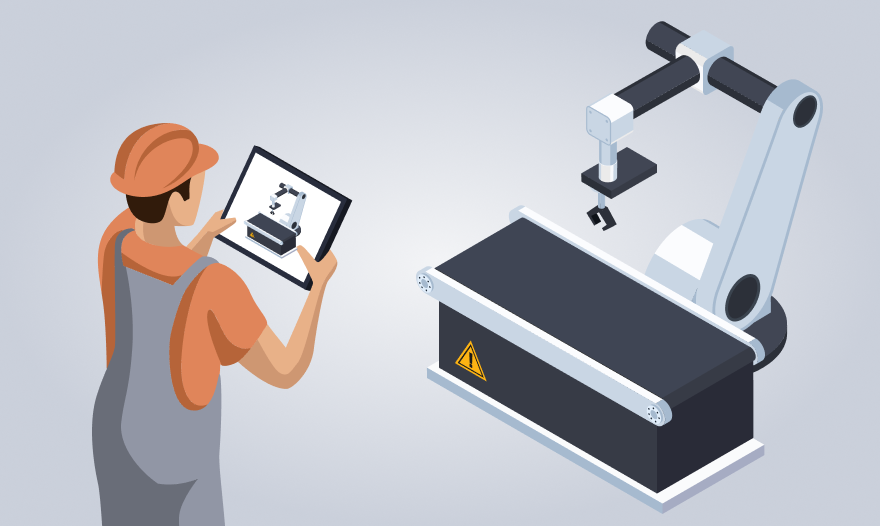
The most effective way to begin with agentic AI is to start small and safe.
Assistant-level AI focuses on reducing friction and accelerating everyday work without changing decision authority.
Common assistant behaviors include:
- Converting documents and videos into structured digital work instructions
- Answering frontline questions using approved, plant-specific content
- Supporting training and onboarding with multilingual, searchable knowledge
Poka’s Industrial AI embeds these capabilities directly into frontline workflows. AI supports content creation and knowledge capture without disrupting how work gets done – reinforcing standardization rather than bypassing it.
Step 3: Evolve to Copilot – AI That Guides Execution
As data maturity and trust increase, agentic AI can evolve into a copilot.
Copilot behaviors provide real-time guidance during execution, without taking control:
- Highlighting deviations from standard work
- Recommending next best actions during tasks
- Supporting supervisors during daily management
For example, a copilot may surface incomplete safety checks, recurring quality issues, or skill gaps on a shift – enabling timely intervention.
Poka enables this through:
- Context-aware recommendations tied to frontline activities
- Real-time dashboards and huddle boards
- Frontline analytics connected directly to execution
This is where agentic AI begins delivering measurable improvements in safety, quality and productivity.
Step 4: Become a Proactive Partner – With Humans in Control
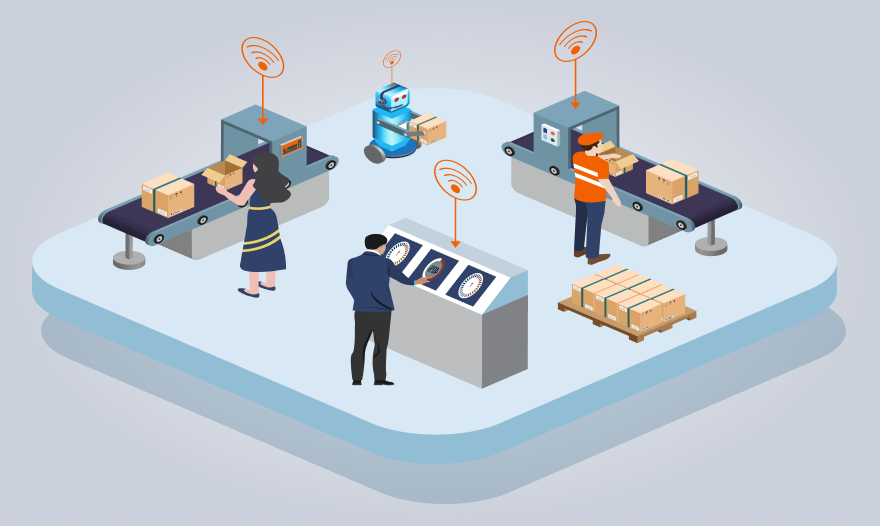
True agentic AI emerges when systems become proactive, not autonomous.
At this stage, AI identifies patterns across shifts, lines and sites, then proposes actions – always requiring human approval.
Examples include:
- Flagging recurring issues across shifts or plants
- Suggesting process improvements based on frontline data
- Prompting updates to work instructions when conditions change
In practice, AI acts as a digital co-worker: it observes, reasons and proposes – while humans approve and execute.
Poka’s approach ensures that continuous improvement remains human-led, with AI accelerating insight rather than replacing expertise.
Governance: Why Agentic AI Must Be Designed With Guardrails
As agentic AI becomes more capable, governance becomes more critical.
Manufacturers need:
- Role-based permissions
- Content approval workflows
- Full auditability and traceability
These guardrails are essential for building trust and enabling scale. Without governance, agentic AI risks becoming opaque and unreliable.
Poka embeds enterprise-grade governance and human-in-the-loop controls directly into frontline workflows, ensuring AI remains accountable and aligned with operational reality.
Scaling Agentic AI Across Plants and Regions
Agentic AI does not scale through experimentation alone – it scales through consistency.
Standardized processes enable shared learning, reuse and continuous improvement across sites.
Poka supports enterprise-scale deployment through:
- Multi-site rollout capabilities
- Shared libraries of frontline knowledge
- Central visibility with local execution
This allows manufacturers to move from isolated pilots to a connected, global frontline powered by responsible agentic AI.
What Manufacturers Gain From Agentic AI on the Frontline
When agentic AI is embedded into daily work, manufacturers see tangible business outcomes:
- Faster onboarding and training
- Fewer execution errors
- Improved safety and quality
- Stronger continuous improvement loops
These results don’t come from full autonomy. They emerge when AI augments frontline teams within structured, connected workflows.
Agentic AI Works Best When It Works With People
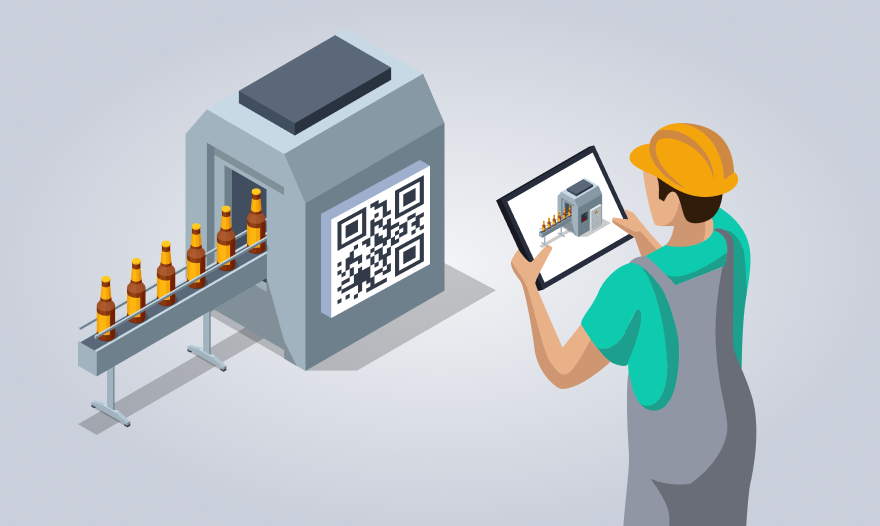
The factory floor doesn’t need autonomous AI – it needs collaborative AI.
Agentic AI succeeds when it is built on connected frontline execution, designed with guardrails and guided by human expertise.
Book a demo to see agentic AI in action on the factory floor and learn how Poka helps manufacturers deploy human-in-the-loop AI safely and at scale.
FAQs About Agentic AI in Manufacturing
Agentic AI refers to AI systems that can observe context, reason over data, and recommend or initiate actions while keeping humans in control.
No. In manufacturing, Agentic AI is collaborative and human-in-the-loop, not fully autonomous.
High variability, safety risks, and fragmented data require structured context and governance.
Poka provides connected frontline workflows, governance, and embedded AI that supports workers directly in daily execution.
Faster training, fewer errors, improved safety and quality, and stronger continuous improvement.