



Published on February 18, 2025
Discover how AI-powered video-based work instructions are transforming manufacturing training in Industry 4.0 and 5.0, enhancing efficiency and skill development.
Key Takeaways
- AI-Powered Documentation Simplifies Training: Poka’s Video to Work Instruction feature transforms raw shop floor videos into structured digital work instructions, streamlining the creation of SOPs and training materials.
- Enhanced Knowledge Capture and Retention: By digitizing and standardizing tribal knowledge, manufacturers ensure expertise is preserved, shared, and accessible across shifts and sites.
- Improved Productivity and Efficiency: Automated SOP generation reduces documentation time, accelerates onboarding, and enhances overall workforce productivity in line with Industry 4.0 and 5.0 goals.
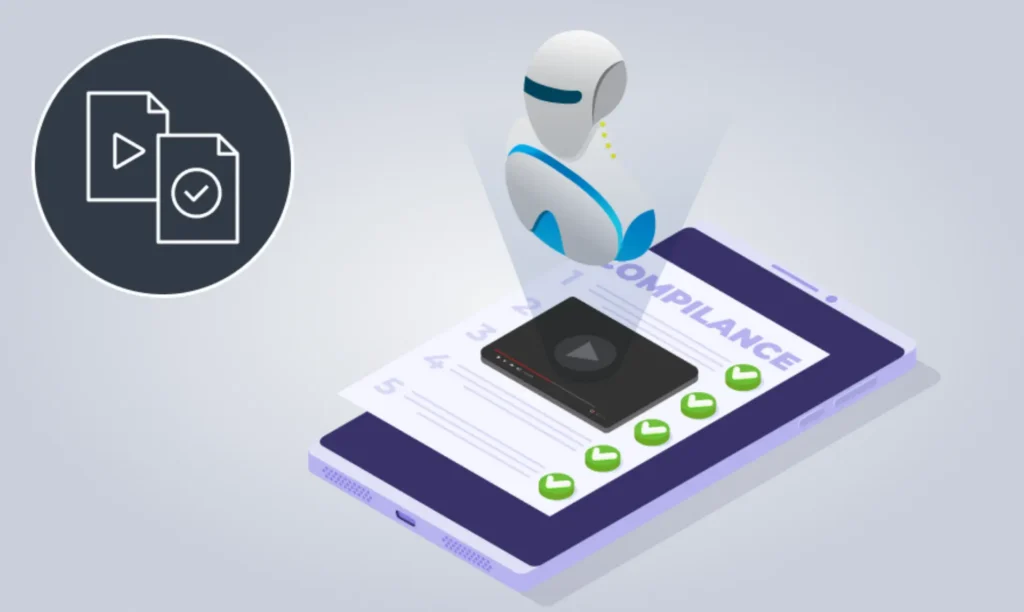
- Better Safety, Compliance, and Quality: Clear, visual instructions help maintain compliance, reduce human error, and ensure consistent adherence to safety and quality standards.
- Future-Ready Workforce Enablement: With AI-driven visual aids, organizations empower their employees to continuously learn, adapt, and perform effectively in the rapidly evolving smart manufacturing environment.1. Introduction: The Challenge of Creating Digital Work Instructions
As industries transition toward Industry 4.0 and pave the way for Industry 5.0, the importance of digitizing manufacturing processes cannot be overstated. Organizations face immense pressure to capture valuable knowledge, especially the tribal knowledge held by seasoned workers. Research indicates that up to 70% of digital transformation projects can fail due to an inadequate knowledge capture foundation. Traditional methods for creating digital work instructions are often laborious, resulting in inefficiencies and missed opportunities for productivity growth.
This is where Poka’s AI-powered Video to Work Instruction feature transforms the game. By enabling teams to record workflows directly on the production floor and automatically convert them into structured, visual SOPs, Poka dramatically simplifies the documentation process. AI analyzes video footage, extracts key steps, and organizes them into clear, standardized digital work instructions—ready for review and deployment.
These AI-generated SOPs not only enhance workforce training and skill development but also ensure real-time updates, version control, and compliance tracking across multiple sites. This streamlined approach empowers organizations to accelerate continuous improvement, bridge the skills gap, and remain competitive in the rapidly evolving world of smart manufacturing.
2. The Power of Video for Digital Work Instructions
Statistics Highlight the Effectiveness of Video Learning
Studies reveal that 57% of learners favor video content over traditional training methods, and for good reason—videos deliver information in a dynamic, clear and visually engaging way. Unlike static materials such as written manuals or images, video-based training enhances comprehension and retention by breaking down complex tasks into easily digestible steps. But AI takes this a step further by offering personalized learning experiences that adapt in real-time, ensuring that workers receive exactly the right information at the right time. Research shows that video-based work instructions can improve productivity by up to 30%. Additionally, for every 60 seconds of video consumed, it’s equivalent to reading 1.8 million words, making it a highly efficient tool for conveying intricate tasks.
For manufacturing companies, adopting AI-powered video-based work instructions not only streamlines training but also reduces errors, ensuring employees perform tasks with confidence and precision. As we move forward in Industry 5.0, these intelligent systems will become essential in training workers across diverse roles and industries.
Barriers to Quick Digital Content Creation
Manufacturers face significant obstacles when creating end of production checks or managing start of production checks through traditional documentation methods. Extensive manual effort in drafting documents leads to backlogs and delays in operational efficiency.
Furthermore, small and medium-sized enterprises often struggle with the high costs associated with professional-grade content production, making the adoption of effective workforce productivity tools challenging.
The Importance of Capturing Knowledge from Seasoned Experts
One of the biggest challenges in manufacturing is retaining the knowledge of experienced workers before they retire or transition out of the workforce. This knowledge gap is a major roadblock, with 67% of digital transformations delayed due to skill shortages. Without a structured approach to capturing and transferring expertise, organizations risk stalled progress and inefficiencies.
Poka’s AI-driven solution ensures that essential manufacturing knowledge—spanning training, workplace safety and food safety—is efficiently captured and made accessible to employees, bridging the skills gap and keeping transformation efforts on track.
Key Advantages of Video Instructions
AI-powered video to work instructions provide numerous advantages for shop floor workers, including:
- Increased Engagement: Videos capture attention better than text, leading to a greater willingness to engage in training. Through AI, these videos can become even more interactive by adapting to each worker’s progress and providing real-time feedback.
- Enhanced Retention: Information presented visually is easier to comprehend and remember. Studies have shown that video retention rates are significantly higher than traditional methods. AI can boost these rates by incorporating microlearning, where short, targeted content bursts increase retention by up to 22%.
- Clarity: Videos can demonstrate complex procedures that might be difficult to convey through written documents alone. AI’s ability to analyze and adjust the content based on worker feedback ensures that the training material stays relevant and clear, reducing confusion and error.
AI is transforming the landscape by making video work instructions not just easier to consume, but also smarter and more responsive to the learner’s needs.
A McKinsey analysis highlights that organizations adopting digital tools not only enhance employee efficiency but also necessitate skills upgrades. Accelerating technology adoption and proactively redeploying workers could allow Europe to achieve up to 3 percent annual productivity growth by 2030. Conversely, slow technology adoption and worker redeployment may limit growth to just 0.3 percent, reflective of current levels in Western Europe.
3. Barriers to Video Instruction in Manufacturing
Despite the myriad advantages, barriers to adopting video instructions still exist.
High Production Costs
Creating high-quality, professional-grade videos used to require significant investment in equipment and personnel, particularly for smaller manufacturers. However, with the rise of AI-driven solutions, the cost of producing effective video instructions has drastically reduced. AI tools can assist in the creation of videos by automatically generating captions, visual aids and voiceovers, helping organizations produce scalable video content at a fraction of the traditional cost.
Sequencing Complex Tasks
Manufacturing processes are often intricate, requiring well-structured videos to communicate multi-step procedures effectively. AI can help by intelligently sequencing content and suggesting optimal ways to present the information, ensuring that tasks are broken down logically and comprehensively.
Using Raw Footage for Work Instructions
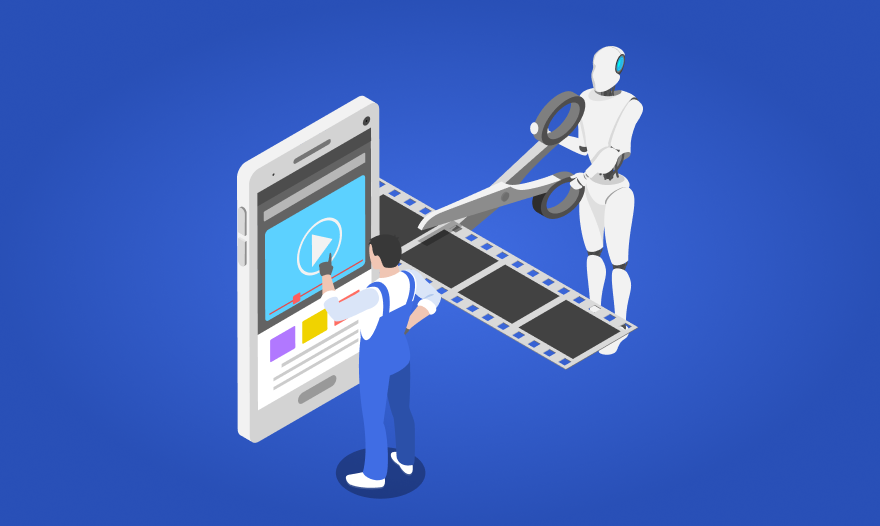
Raw video footage may lack the structure needed to serve as effective work instructions. AI solutions can enhance this raw footage by automatically editing it for clarity, adding annotations or instructions and aligning it with established work standards. This ensures the final video content is actionable and error-free.
Need for Adaptable Solutions
Every manufacturing environment is unique, requiring scalable and adaptable solutions. AI allows manufacturers to customize and scale video instructions while ensuring they meet specific operational needs, from compliance training to onboarding. With AI, video work instructions can adjust to various contexts and provide tailored training that suits diverse roles and industries.
4. How Poka’s Video to Work Instruction Feature Works
AI technology is set to revolutionize the landscape of manufacturing training, particularly through Poka’s Connected Worker platform. It empowers organizations to convert recorded video content into structured digital work instructions in mere minutes. This greatly enhances efficiency and accuracy across all manufacturing processes.
The Process of Recording Workflows with Video
Using simple video capture tools, employees can effortlessly record their workflows in real-time, capturing essential details that may be overlooked. This method enables manufacturers to document changeovers and other critical processes, ensuring instructional materials are easily understood.
AI-Driven Conversion of Video into Work Instructions
Poka’s advanced AI technology plays a pivotal role in transforming raw video footage into clear, actionable work instructions. By leveraging AI capabilities, Poka allows manufacturers to generate structured SOPs without requiring extensive manual editing, leading to more timely on-the-job training.
Step-by-Step Transformation Process
Capturing Essential Details
The initial phase involves recording workflows, enabling team members to elaborate on essential tasks as they perform them. This documentation improves standard work practices and enhances accuracy, ensuring no vital aspect goes unaddressed.
Creating Clear and Actionable Steps
Once the video is captured, Poka AI algorithms analyze the footage and break it down into easily digestible steps that can be seamlessly followed. This clear structure minimizes confusion, allowing for effective training within industry frameworks.
Real-time Updates and Continuous Improvement
As manufacturing processes evolve, Poka’s AI-powered Video to Work Instruction feature ensures that work instructions remain current and relevant. The platform enables quick updates, reducing the risk of obsolescence while promoting continuous improvement throughout the documentation lifecycle.
Intelligent Interpretation for Relevant Content
AI technology now enables the intelligent analysis of both video and audio content, automatically generating relevant, actionable instructions and summaries with minimal manual intervention. By processing spoken language and visual cues, AI can convert complex workflows into easy-to-understand training materials, such as transcriptions, captions and real-time updates to work instructions.
This automation significantly accelerates content creation, ensuring that training materials are consistently up-to-date and aligned with industry standards and regulatory compliance. In the fast-paced world of manufacturing, where staying current is crucial, AI-powered solutions help companies streamline the creation and management of training resources, boosting both efficiency and workforce productivity.
Reducing Language Barriers
Another feature of Poka’s platform is its ability to reduce language barriers by quickly generating instructions in the desired language. This feature is crucial for global operations where team members may speak different languages. Whether the video includes audio or not, Poka provides flexibility in instruction creation, facilitating global cooperation within organizations.
Simplifying SOP Management and Compliance
Poka simplifies SOP management by leveraging AI-driven capabilities to automate the creation and adjustment of work instructions, significantly reducing the manual effort traditionally required.
Through the intelligent analysis of video and audio content, Poka AI generates dynamic and accurate SOPs that align with company standards, ensuring that training materials are both up-to-date and compliant with industry regulations. This automation streamlines the entire process of creating, updating and managing work instructions – saving valuable time in fast-paced manufacturing environments.
By improving accuracy and consistency, Poka helps organizations maintain high standards while reducing the risk of human error. The result is enhanced workplace safety, improved training efficiency and a more productive workforce – allowing teams to focus on higher-value tasks and optimizing operational performance. In an industry that is highly regulated, Poka’s AI-powered solutions ensure that manufacturers can stay ahead of compliance requirements while fostering a culture of continuous improvement.
5. Practical Applications of AI-Powered Visual Aids in Manufacturing
AI-powered video-based work instructions streamline manufacturing operations by enhancing efficiency, standardization, and workforce productivity.
- Troubleshooting & Maintenance: Minimize downtime with Poka’s AI-powered Video to Work Instructions for diagnosing and resolving equipment issues, improving SOP management, Cleaning in Place and End of Production Checks.
- Onboarding & Training: Accelerate workforce development with digital work instructions, enabling quick adoption of SOPs, Start of Production Checks and safety protocols.
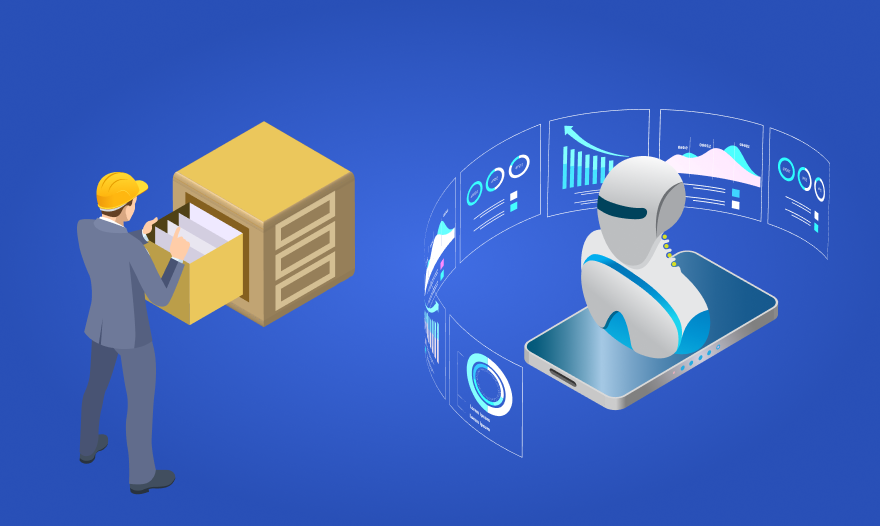
- Capturing Tribal Knowledge: Preserve expertise with standardized, AI-powered documentation, ensuring seamless knowledge transfer and workforce skill upgrades.
6. Benefits to Organizations
The implementation of AI-powered visual aids can lead to numerous benefits for organizations.
Increased Productivity
Faster access to information translates into increased productivity on the shop floor. Workers equipped with a mix of written and digital work instructions can find the information they need without delay, minimizing wasted time. Improved efficiency can lead to higher production outputs, enabling organizations to meet demand more effectively.
Cost Savings
Reducing reliance on extensive manual documentation processes saves money and mitigates the risk of human error. Organizations can achieve significant cost savings by streamlining training processes and minimizing mistakes. Moreover, the high-quality training material produced through AI tools like Poka’s AI-powered Video to Work Instruction feature significantly reduces the risk of costly errors during operations.
Improved Safety and Quality
Accessible video instructions enhance workplace safety training outcomes, ensuring that safety protocols are well understood and followed. Improved training leads to better compliance with regulations and, ultimately, higher product quality. As McKinsey emphasizes, properly trained employees are key to achieving operational excellence. In industries where safety is paramount, having clear and engaging training materials can make all the difference.
7. Conclusion: Embrace AI-Powered Visual Aids for Future-Ready Manufacturing
In today’s fast-paced manufacturing landscape, training needs to keep up with constant change. Whether it’s introducing a new machine, updating SOPs or refining processes like Cleaning in Place or Start of Production Checks, traditional training methods can slow operations down. That’s where AI-powered video work instructions come in.
With Poka’s Connected Worker platform, anyone on the shop floor can easily create and update work instructions. Simply record a process using a phone, upload the video and let AI transform it into a structured digital work instruction. This streamlined content creation process ensures that knowledge is captured, standardized and instantly accessible—eliminating reliance on tribal knowledge and lengthy documentation cycles.
By digitizing training within industry, manufacturers can drive workforce productivity, improve safety and compliance and ensure seamless knowledge transfer across teams. AI-powered video instructions make manufacturing training effortless, reducing downtime while keeping operations efficient and future-ready.
Ready to See It in Action?
Revolutionize your manufacturing training process with Poka. Book a demo today and discover how easy it is to turn real-time shop floor videos into actionable work instructions—empowering every worker with the knowledge they need, when they need it.
FAQs About AI-Powered Video Work Instructions
AI-powered video work instructions automatically convert recorded workflows into clear, structured SOPs. Using artificial intelligence, they extract key steps from videos and transform them into visual, easy-to-follow digital guides for manufacturing teams.
By eliminating manual documentation, AI enables teams to create and update SOPs in minutes instead of hours. This speeds up training, reduces downtime, and ensures workers always have access to the most accurate and efficient procedures.
Yes. AI-generated instructions are standardized, visual, and continuously updated, reducing confusion and mistakes. Workers can follow precise, step-by-step guidance, improving both quality and safety on the shop floor.
Definitely. Poka’s AI-powered solution is flexible and scalable, making it ideal for industries like food and beverage, automotive, and consumer goods. It supports multi-language content, compliance requirements, and site-specific customization.
With AI, experienced workers can simply record their workflows, and the system converts these videos into permanent digital work instructions. This ensures critical tribal knowledge is retained and shared across teams, even as the workforce evolves.