



Published on January 29, 2025
Explore how AI-driven content conversion transforms into effective digital work instructions and improves operational efficiency in smart manufacturing.
The Ongoing Impact of Artificial Intelligence in Smart Manufacturing
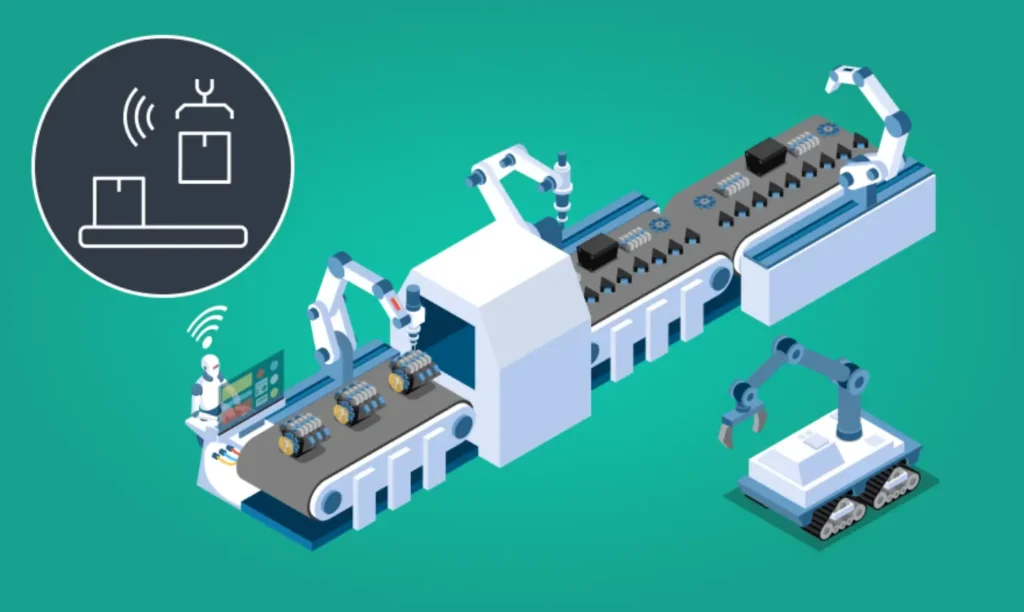
As we look ahead to 2025, the manufacturing industry must navigate several critical priorities that will shape its landscape. According to Deloitte’s Manufacturing Industry Outlook, addressing labor shortages is recognized as the #1 challenge for manufacturers, followed closely by the integration of artificial intelligence (AI) technologies as the #2 priority. These elements are crucial for driving efficiency, productivity and innovation in the sector.
In the fast-paced world of smart manufacturing, connected worker solutions have emerged as a pillar for enhancing frontline productivity and supporting standard work. By empowering workers to access vital information and streamline workflows, connected worker solutions create a framework for agile, informed decision-making on the factory floor and beyond.
A significant trend shaping connected worker strategies is the integration of artificial intelligence (AI). This revolutionary technology is transforming how organizations approach workforce productivity. AI can streamline operations, reduce bottlenecks and facilitate timely access to accurate information. As industries adapt to ever-changing demands, the integration of AI into Industry 5.0 practices has proven to be a game-changer. Industry 5.0 is a relatively new concept that aims to go beyond efficiency and productivity as the sole goals, reinforcing the role and contribution of industry to society. According to the European Union, it places the wellbeing of the worker at the center of the production process and leverages new technologies to deliver prosperity beyond jobs and growth while respecting the planet’s production limits. It complements the Industry 4.0 approach by specifically placing research and innovation at the service of a sustainable, human-centric and resilient industry.
The Essential Role of AI in Connected Worker Solutions
AI adoption comes with challenges, including the need for a thoughtful strategy and aligning AI capabilities with operational needs. Yet, the benefits of correctly implemented AI are transformative. In smart manufacturing, connected worker solutions enhance frontline productivity and support standard work by empowering workers to access vital information and streamline workflows. Poka addresses labor challenges through effective training and workforce development while optimizing operations with AI. These strategies position manufacturers to not only meet current demands but to thrive in an evolving landscape.
The adoption of AI in connected worker solutions is essential for competitiveness in today’s manufacturing environment. AI enhances operational efficiency by automating traditionally manual tasks like SOP management and standard work content creation. By utilizing generative algorithms, AI automates repetitive processes and significantly accelerates the digitization of legacy documentation, enabling faster implementation of connected worker solutions.
In addition to improving productivity, AI in connected worker applications boosts workforce safety by ensuring frontline workers have timely access to accurate information during critical tasks, such as cleaning in place and start-of-production checks. Most importantly, AI content conversion saves resources by automating the most time-intensive aspects of the process.
The Challenges of Converting Legacy Documentation in Manufacturing
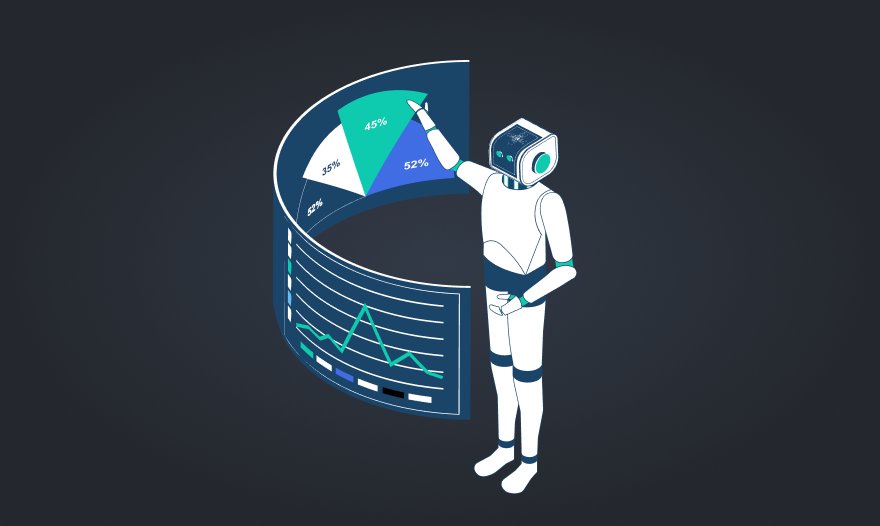
One of the most significant obstacles faced when implementing connected worker solutions is the presence of legacy documentation, such as Standard Operating Procedures (SOPs), work instructions and training materials. These crucial documents are often stored in outdated formats that are difficult to find, store and update- making standardization a challenging endeavor.
Manufacturing companies typically manage thousands of documents stored in a wide variety of formats – many of which may be many years old containing outdated information. This significant complexity creates challenges in managing the documentation lifecycle efficiently. For example, during changeovers or operational shifts, frontline workers may find themselves lost in a sea of paper work instructions – unable to locate critical safety and procedural guidelines within the flow of their work.
Bringing Training Content into the Digital Age: The Challenge for L&D Teams
Learning and Development (L&D) teams within manufacturing organizations are embracing the opportunity to transform traditional training materials into modern digital formats that seamlessly integrate with connected worker platforms. Their objective is to ensure that the content, including workplace safety training and food safety training is accurate, current and engaging for workers. However, traditional methods of documentation conversion can be not only time-consuming but resource-intensive – leaving L&D teams overwhelmed and under-resourced.
Time Consuming and Resource-Intensive Processes
Before the use of AI, the conversion of legacy documentation typically involved numerous manual steps, such as reformatting, rewriting and validating information. This painstaking process can take weeks or months – severely delaying the deployment of connected worker solutions.
As organizations grapple with the sheer volume of material that must be digitized for effective implementation, they can become stalled and experience reduced productivity shift after shift, which is extremely costly to the bottom line.
How Generative AI Transforms Content for Connected Worker Platforms
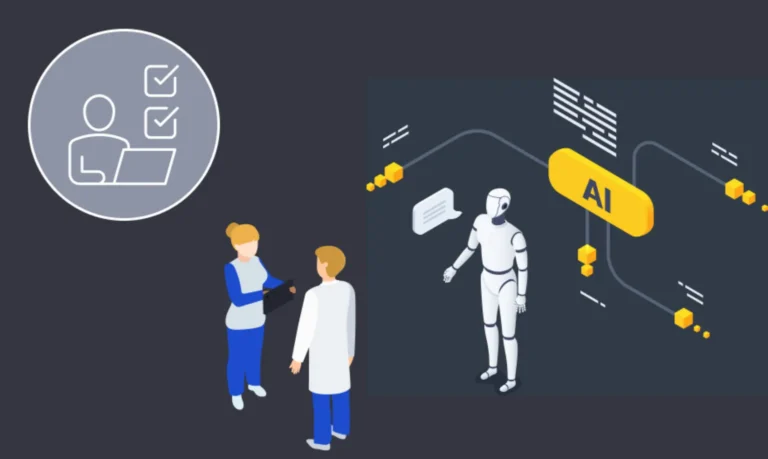
AI-powered content conversion is revolutionizing how manufacturers update and manage training materials and work instructions. By using advanced technologies like Natural Language Processing (NLP) and machine learning, AI can quickly convert legacy documents such as Standard Operating Procedures (SOPs) and safety manuals into digital formats that are easily accessible on connected worker platforms like Poka. AI models play a crucial role in this process by learning from data to improve the reliability and efficiency of converting and optimizing these legacy documents. This automation speeds up the transformation process, reduces human error and ensures that content is consistently updated across the board.
For example, when safety regulations change, manufacturers may need to revise thousands of SOPs. Rather than manually updating each document, AI can analyze the existing content, identify key information and automatically reformat it into clear, easy-to-read digital content. This content is then optimized for mobile access, making it available to workers in real-time through connected worker apps like Poka. Generative AI further enhances this process by streamlining content transformation and improving decision-making, enabling faster and more innovative updates to training materials.
AI also enhances content accessibility by organizing it in a standardized way, so employees can quickly find the information they need. By categorizing and structuring content on a central platform, manufacturers can enjoy consistency and clarity across all training materials. This results in less confusion, improved operational efficiency and allows workers to make faster, better-informed decisions during critical operations. With AI, content is not only converted but also optimized for understanding and usability, improving overall workforce performance.
Positive Outcomes of AI-Powered Content Transformation In Manufacturing
Improved Accessibility and Usability for Frontline Workers with AI-Enhanced Solutions
Accessibility is key to the success of connected worker solutions providing frontline workers with instant access to essential data such as training materials, Standard Operating Procedures (SOPs), safety protocols and digital work instructions.With AI, organizations can present information in an intuitive and user-friendly manner. Frontline workers equipped with AI-enhanced connected worker solutions can quickly navigate training materials and reference guides, leading to faster onboarding and reduced reliance on supervisors. This capability is crucial for effective on-the-job training and training within industry initiatives.
Cost-Effectiveness and Resource Savings
Cost savings provide another compelling argument for adopting AI-powered content transformation. Traditional methods of document conversion can be labor-intensive and require a significant investment in human resources. By integrating AI into the content transformation process, companies can reduce reliance on manual labor and minimize the costs associated with document conversion.
The savings generated from increased efficiency can be redirected to other critical areas of the business, such as further enhancements to workplace safety training, technology upgrades or additional safety measures. Furthermore, reduced errors associated with AI-driven content transformation lead to lowered risks and potential costs related to non-compliance or workplace accidents.
Converting Videos to Work Instructions
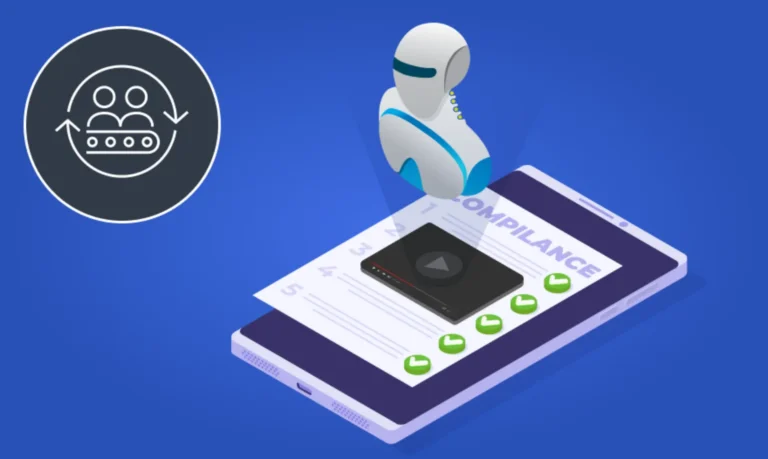
AI is transforming how operational knowledge is shared by converting training videos into step-by-step digital work instructions. This capability ensures that complex procedures are broken down into clear, actionable steps, making it easier for workers to follow and apply them in real time. By integrating this feature into connected worker platforms, organizations can reduce training time, improve consistency and provide employees with instant access to critical information – fostering safer and more efficient operations.
Practical Steps to Integrate AI into Content Transformation Processes
Performing a Document Audit and Prioritization
The first step in leveraging AI for content transformation involves conducting a comprehensive audit of existing documentation. Organizations must evaluate the quantity, quality and relevance of their current documentation. This audit will help prioritize high-value content that directly impacts safety and productivity – ensuring the quality and applicability of digital work instructions.
To streamline this process, organizations can categorize documents based on their specific purpose. For example, they may segregate materials related to safety procedures, maintenance instructions or operational workflows. This targeted approach ensures the most critical information is converted and readily accessible for the frontline workforce.
Selecting the Right AI-Powered Connected Worker Solution
Choosing a reliable connected worker solution provider is crucial for successfully implementing AI content transformation initiatives. Organizations should seek providers that offer advanced AI capabilities specifically designed to facilitate content conversion and organization.
When evaluating potential partners, manufacturers should consider the provider’s industry experience, the quality of customer support provided and the scalability of their solutions. Collaborating with solution providers that understand the unique challenges faced by the manufacturing sector can significantly enhance the effectiveness of content transformation efforts.
Implementing a Phased Approach for Deployment
Implementing AI content transformation requires a structured and well-planned approach. Organizations can adopt a phased implementation strategy that allows them to gradually convert and deploy digital work instructions while measuring the impact at each stage. By adopting an incremental change approach, manufacturers can assess the effectiveness of their newly formatted content, gather feedback from frontline workers and make necessary adjustments to ensure alignment with standardization and compliance.
Conclusion: The Future of Connected Worker Solutions with AI
AI has emerged as a critical ally in enhancing productivity, streamlining workflows and optimizing decision-making on the factory floor. As the manufacturing workforce continues to evolve, organizations that embrace AI technologies will be better equipped to drive operational efficiency and meet the demands of a modern, connected labor environment.
By harnessing the capabilities of AI for content transformation, manufacturers can deploy connected worker platforms and build out their content libraries much faster for faster time to value – a more agile and informed workforce, prepared to respond to the demands of an ever-changing industry landscape. The adoption of AI is not just a trend; it represents a critical evolution for any organization aiming to thrive in the era of Industry 5.0. Embracing advanced technologies will enable manufacturers to foster a paperless factory and drive meaningful improvements across their operations – creating a connected factory that enhances productivity and safety while effectively managing the documentation lifecycle.
If you are looking to elevate your manufacturing processes with AI-powered connected worker solutions, we invite you to book a demo with our team today! Experience firsthand how our cutting-edge technologies can streamline your operations, enhance workforce productivity, and ensure the highest levels of safety and efficiency.