




Published on February 19, 2026
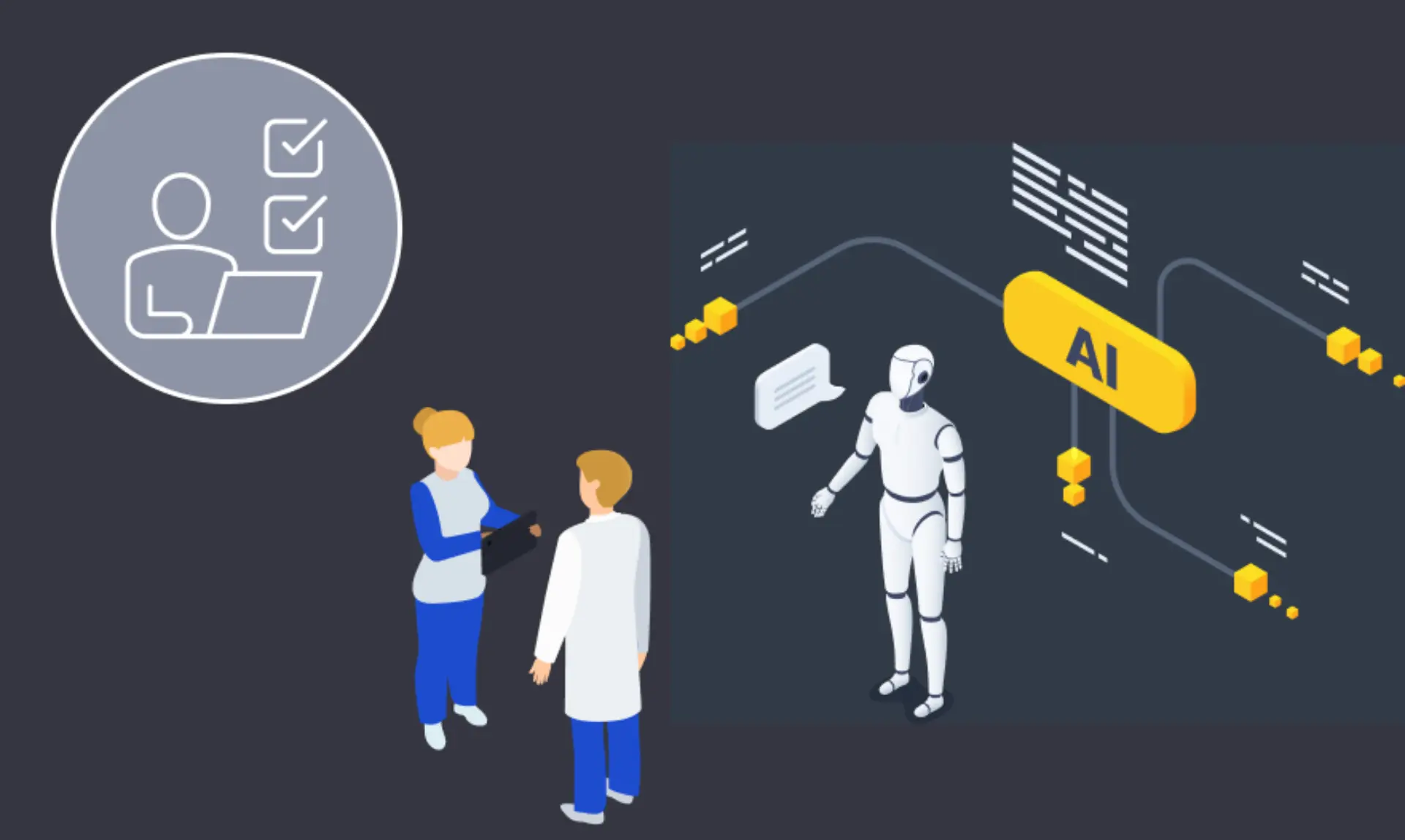
Learn where to start with Industrial AI in manufacturing. Discover a practical, frontline-first approach to deploying human-centric AI that delivers real operational impact.
Key Takeaways
- Industrial AI success starts with frontline execution, not algorithms
- Human-centric, collaborative AI delivers better outcomes than autonomy
- Digitized and standardized work is a prerequisite for AI value
- Governance enables safe, scalable AI adoption
- Connected worker platforms provide the foundation Industrial AI needs
Industrial AI is everywhere in manufacturing conversations. It’s in boardroom discussions, conference keynotes and technology roadmaps. Yet for many manufacturers, the same question keeps coming up:
Where Do We Actually Start?
While the potential of AI is widely understood, execution often lags behind ambition. Many organizations find themselves stuck between experimentation and real operational impact – running pilots that never quite scale, or investing in advanced technologies that fail to deliver measurable results on the shop floor.
The reality is this: Industrial AI success isn’t primarily a technology challenge. It’s an execution challenge. And that execution starts on the frontline.
This guide breaks down what Industrial AI really means for manufacturers, where to begin and how to apply AI in a way that delivers real, sustainable value – starting with the people and processes that run your operations every day.
Why Getting Started With Industrial AI Feels So Hard
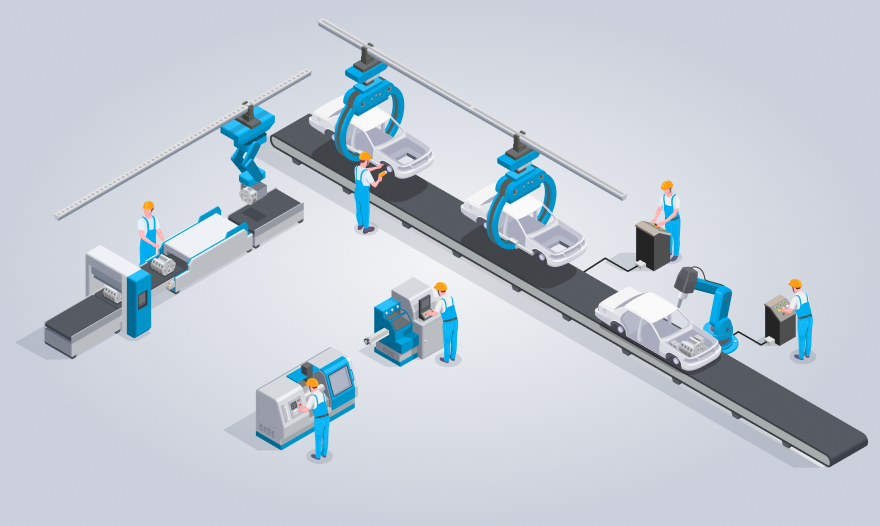
Interest in AI has exploded across industries, but scaling it remains a challenge. According to McKinsey’s State of AI research, most organizations struggle to move AI initiatives beyond the pilot stage. BCG similarly reports that many AI transformations fail – not because the technology doesn’t work, but because people, processes and operating models aren’t ready.
In manufacturing, this challenge is amplified by:
- Highly variable shop floor environments
- Legacy systems and paper-based processes
- Critical safety, quality, and compliance requirements
Without a strong operational foundation, AI initiatives struggle to gain traction. That’s why manufacturers who succeed with Industrial AI take a different approach: they start with frontline execution, not algorithms.
What Industrial AI Actually Means (and What It Doesn’t)
Industrial AI is often misunderstood.
It is not about fully autonomous factories.
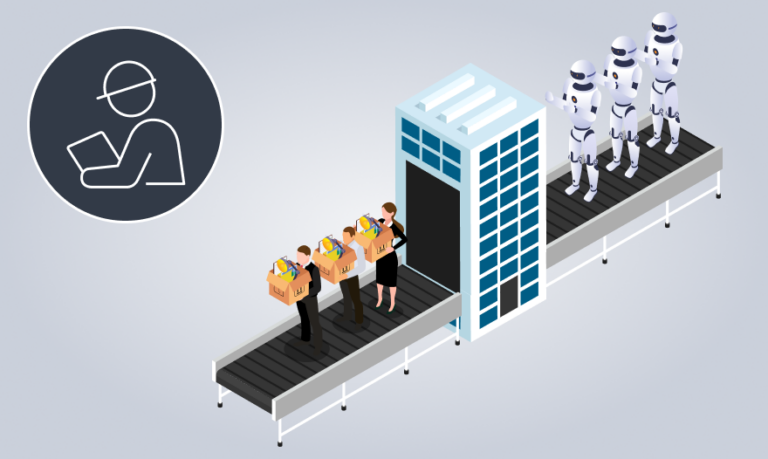
It is not about replacing frontline workers.
And it is not a single project you “complete.”
Instead, Industrial AI is about augmenting human execution with intelligence embedded directly into daily work.
Research from MIT Sloan on human-in-the-loop AI consistently shows that AI delivers better outcomes when humans remain actively involved in decision-making. This aligns closely with the European Commission’s Industry 5.0 framework, which emphasizes human-centric, resilient and sustainable manufacturing.
In practice, this means AI should:
- Support operators, not override them
- Improve decision-making, not remove accountability
- Be embedded into workflows, not layered on top
Poka’s approach to Industrial AI follows this philosophy – focusing on collaborative, human-led AI that strengthens frontline execution.
Why the Frontline Is the Right Place to Start
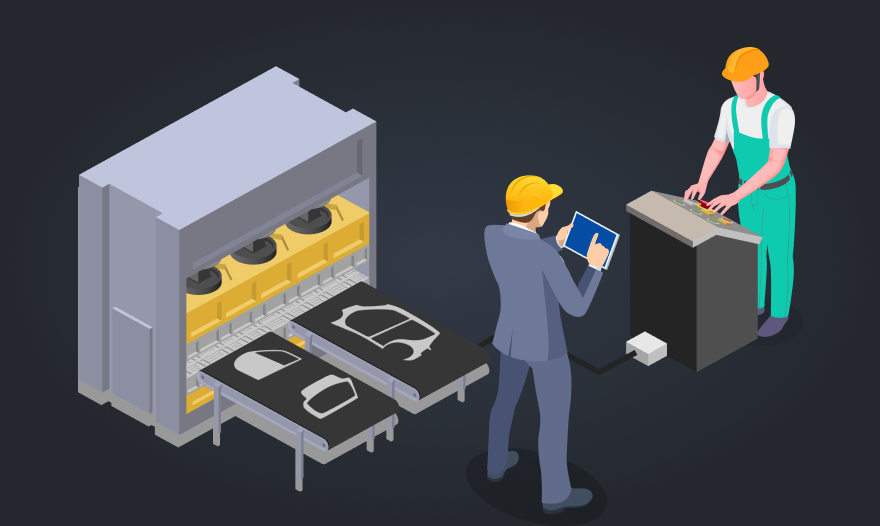
If AI depends on data, context and consistency, then the factory floor is both the biggest challenge – and the biggest opportunity.
Most operational data is created on the shop floor: how work is performed, where issues occur and how problems are solved. Yet in many plants, this knowledge lives in paper binders, spreadsheets, whiteboards or in people’s heads.
Research from Deloitte’s Smart Factory study and the World Economic Forum’s Global Lighthouse Network shows that top-performing manufacturers start digital transformation by digitizing frontline processes first. Why? Because without connected frontline work, AI lacks the structured inputs it needs to deliver value.
Connected worker platforms turn frontline activities into structured, usable data – creating the foundation AI depends on.
Step 1: Digitize and Standardize Frontline Work
Before applying AI, manufacturers must first digitize and standardize how work gets done.
AI systems rely on consistent, structured inputs. When processes vary by shift, site or individual, AI outcomes become unreliable.
Key areas to digitize include:
- Work instructions
- Training and onboarding
- Safety and quality workflows
- Daily management and huddles
Deloitte’s research on scaling digital operations highlights that lack of standardization is one of the biggest barriers to scale. McKinsey similarly notes that poor data quality limits AI impact across industries.
Poka helps manufacturers standardize frontline workflows across roles, shifts and sites – creating a consistent operational backbone that AI can build on.
Step 2: Apply AI Where It Removes Friction First
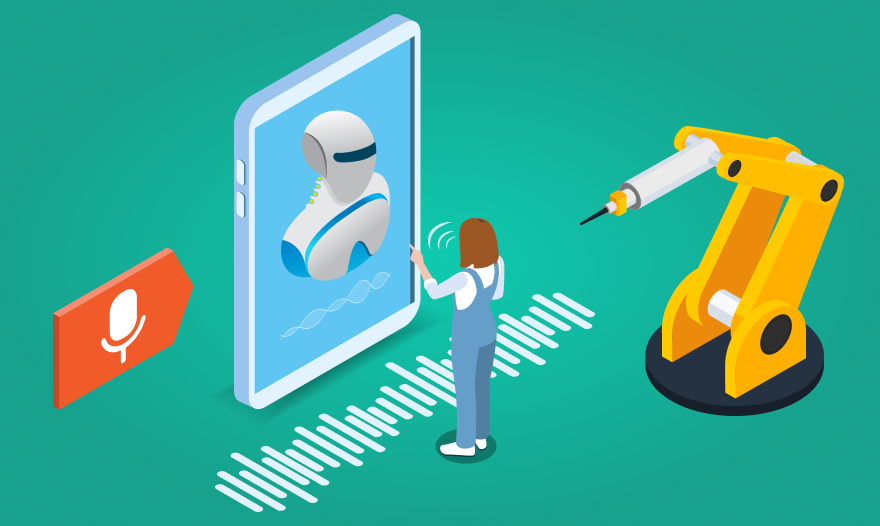
Once frontline work is digitized, the next step is applying AI where it removes friction immediately, with minimal risk.
The most effective starting points are assistive and copilot use cases, such as:
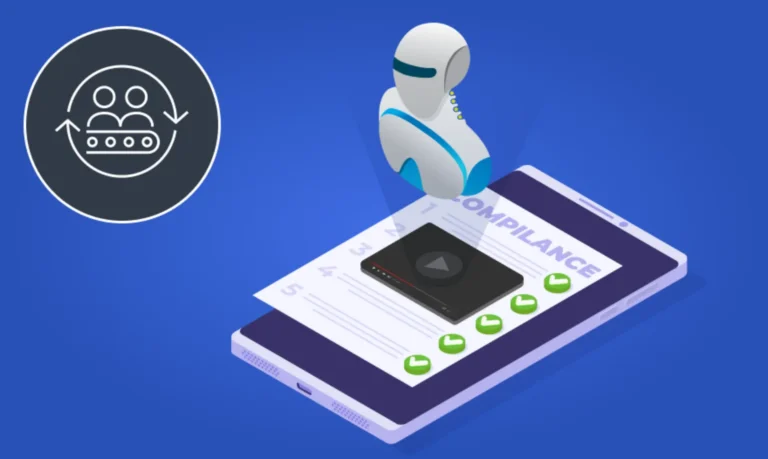
- Converting legacy PDFs, scanned documents and images into structured digital work instructions
- Turning frontline videos into step-by-step guidance
- Accelerating onboarding and training updates
McKinsey’s research on AI in operations shows that AI delivers the most value when embedded directly into workflows. Poka embeds AI directly into frontline workflows – eliminating manual content creation bottlenecks without disrupting how teams work.
Step 3: Build Trust Through Governance and Human Control
As AI moves onto the frontline, governance becomes essential.
Manufacturers must address questions around:
- Ownership: Who is responsible for AI-generated content or recommendations?
- Compliance: How are standards maintained?
- Accountability: Who makes the final decision?
McKinsey’s work on governing AI at scale emphasizes that governance enables AI adoption – it doesn’t slow it down. The OECD’s AI principles reinforce the importance of transparency and human oversight.
Poka supports human-in-the-loop AI with enterprise-grade controls, ensuring that AI proposes actions while humans retain authority and accountability.
Step 4: Scale What Works – Site by Site
AI shouldn’t scale through experiments – it should scale through operations.
Once AI delivers value in one plant, consistency becomes critical. Standardized processes enable:
- Faster rollouts across sites
- Shared best practices
- Improved leadership visibility
The World Economic Forum’s research on scaling Fourth Industrial Revolution technologies shows that operational integration is key to successful scale. Deloitte also notes that platform-based approaches outperform isolated point solutions.
Poka enables consistent execution and AI adoption across plants, regions and roles – supporting scalable, repeatable success.
Real-World Results When Manufacturers Start the Right Way
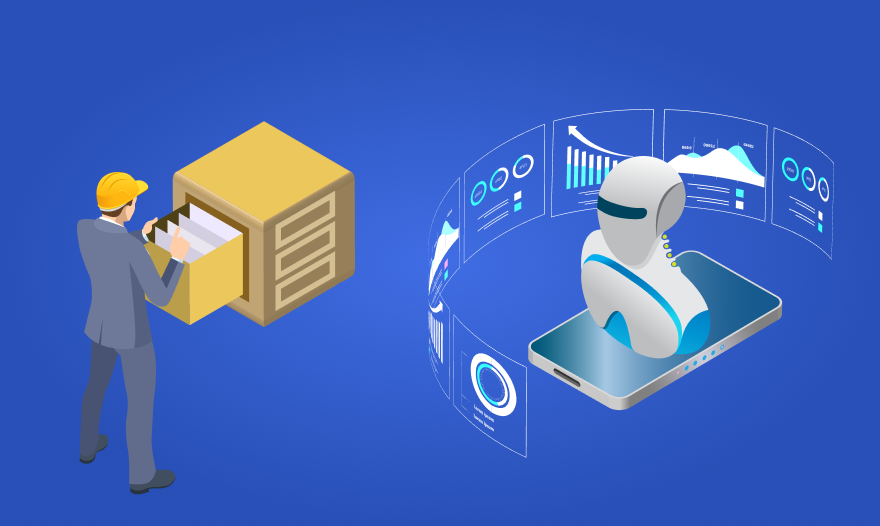
When manufacturers start with frontline execution, the results are tangible.
Across industries, research shows improvements in:
- Productivity
- Quality and safety
- Training effectiveness
- Operational resilience
PwC reports that AI ROI increases significantly when AI supports daily work rather than isolated analytics. McKinsey similarly links productivity and quality gains to execution-focused AI strategies.
Poka customers see measurable outcomes by connecting people, processes and AI – demonstrating that results come from disciplined execution, not technology alone.
Common Mistakes Manufacturers Make When Starting With Industrial AI
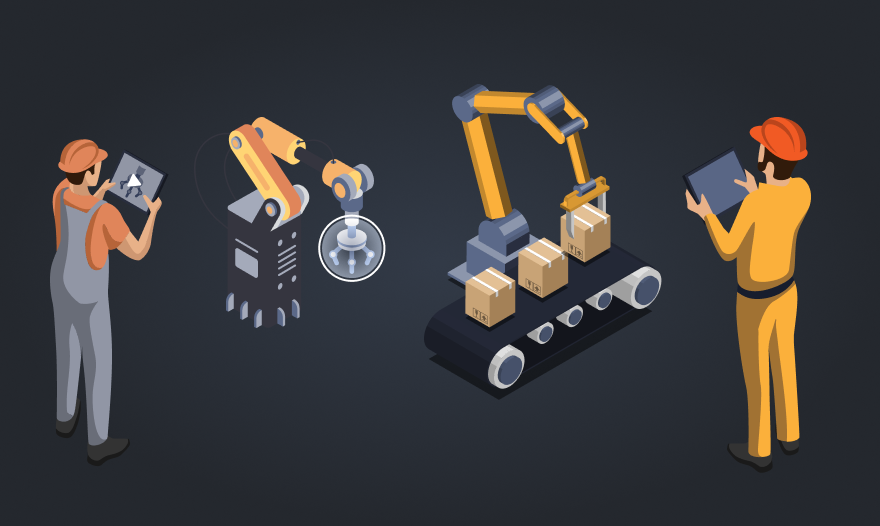
Even well-intentioned initiatives can stall. Common pitfalls include:
- Starting with IT instead of operations
- Over-automating too early
- Treating AI as a side project
- Ignoring frontline change management
BCG’s transformation research consistently shows that these mistakes – not technology limitations – are the leading causes of failure.
Conclusion: Start Small, Start Smart – Start on the Frontline
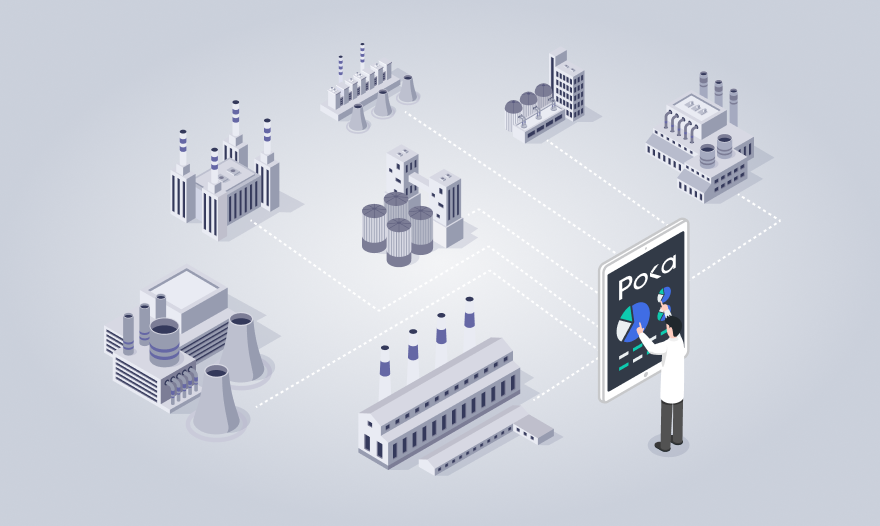
Industrial AI succeeds when it is:
- Human-centric
- Operationally grounded
- Governed from day one
The best place to start isn’t a data lab or innovation hub – it’s the frontline.
Poka helps manufacturers digitize frontline work, apply AI where it creates real value and scale responsibly across operations.
See what responsible, frontline-first digital transformation looks like in practice. Book a demo to explore how Poka turns everyday work into lasting operational value.