



Published on January 29, 2026
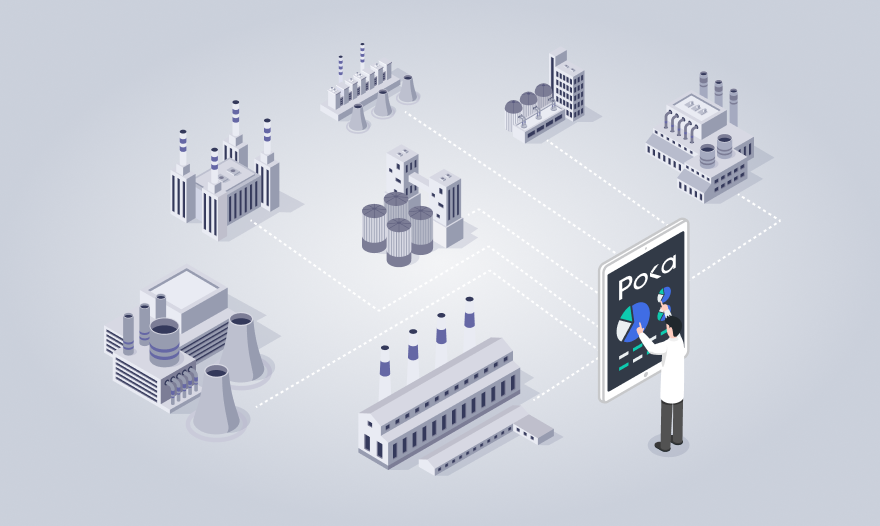
Explore practical Industrial AI use cases for manufacturers and learn how generative and agentic AI embedded in Connected Worker Platforms drive frontline execution.
Key Takeaways
- Industrial AI delivers the most value when it is embedded into Connected Worker Platforms used daily on the factory floor.
- Generative AI supports knowledge capture, training, and multilingual accessibility for frontline workers.
- Agentic AI supports real-time decision-making and execution through human-in-the-loop guidance.
- The most impactful Industrial AI use cases focus on standardizing execution and accelerating continuous improvement.
- Poka’s Industrial AI-powered Connected Worker Platform shows how AI intelligence becomes repeatable frontline action.
Introduction: Why Industrial AI and Connected Worker Platforms Are Converging
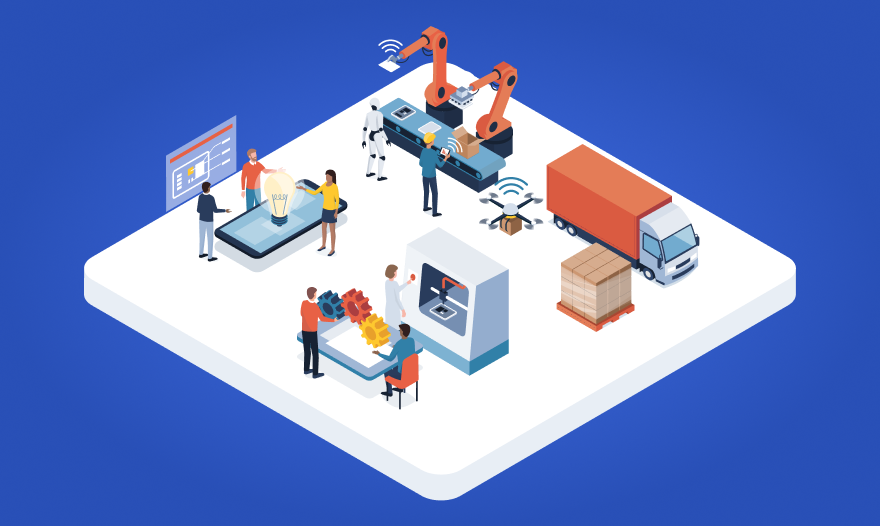
Manufacturers are increasingly focused on how technology investments translate into measurable, day-to-day operational impact – particularly at the frontline. While Industrial AI has matured rapidly, delivering powerful insights, predictions and optimization opportunities, many organizations struggle to ensure those insights actually influence how work is performed on the factory floor.
This challenge is driving a clear convergence between Industrial AI and Connected Worker Platforms (CWPs).
Industrial AI excels at generating intelligence from data – analyzing patterns, summarizing information and identifying opportunities for improvement. However, its value is often unrealized when those insights remain disconnected from frontline execution. Connected Worker Platforms bridge this gap by embedding intelligence directly into the workflows used by operators, technicians, and supervisors.
In simple terms:
- Industrial AI provides intelligence
- Connected Worker Platforms provide structure, context and adoption
Together, they enable manufacturers to translate data and knowledge into consistent, repeatable execution where work actually happens.
External research from the World Economic Forum, MIT Sloan Management Review, and the European Commission reinforces this shift, highlighting workforce-centric digitalization as a top priority as manufacturers face labor shortages, skills gaps, and growing operational complexity.
The Role of Industrial AI Within a Connected Worker Platform
Industrial AI becomes significantly more effective when it is embedded within a Connected Worker Platform rather than deployed as a standalone capability. When AI exists only in dashboards or analytics tools, it often fails to influence real-time decisions and actions on the shop floor.
Within a Connected Worker Platform, Industrial AI enhances core frontline processes by:
- Automating the creation and maintenance of operational knowledge
- Improving discoverability of information at the moment of need
- Supporting real-time decision-making during execution
- Adapting content based on user role, experience and context
At this level, it is essential to distinguish between two complementary forms of Industrial AI:
- Generative AI creates, structures, summarizes, translates and contextualizes information. It is reactive and best suited for knowledge capture, training, and accessibility.
- Agentic AI supports execution and decision-making. It understands context and goals, can proactively surface recommendations, and operates within guardrails using a human-in-the-loop model.
Research consistently shows that AI adoption succeeds when intelligence is delivered within familiar, task-oriented workflows – making Connected Worker Platforms the natural foundation for Industrial AI at scale.
Use Case 1: AI-Driven Knowledge Capture in Connected Worker Environments
Primary AI Type: Generative
Challenge
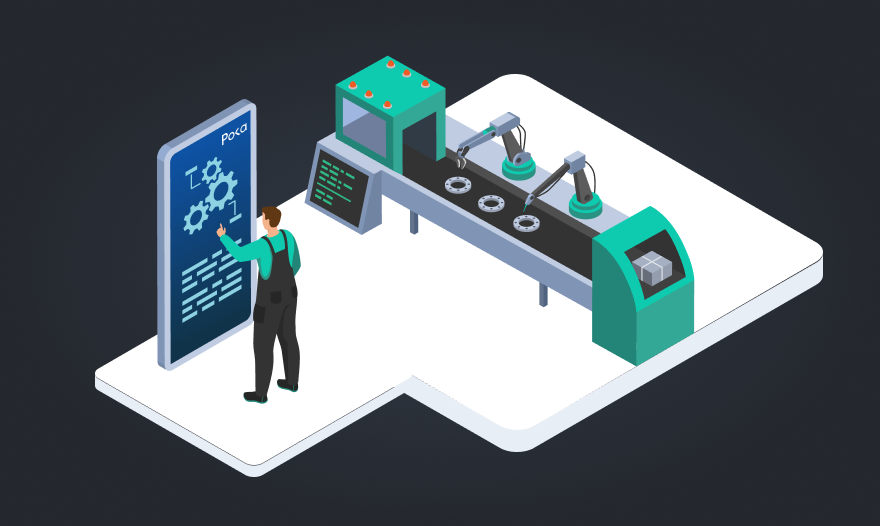
Critical manufacturing knowledge often exists in unstructured formats – documents, images, videos – or remains locked in the experience of senior workers. This fragmentation makes standardization difficult and increases operational risk as workforce turnover accelerates.
Industrial AI + Connected Worker Platform Approach
Embedded within a Connected Worker Platform, Generative Industrial AI transforms unstructured content into standardized digital work instructions that are immediately accessible to frontline teams.
Generative AI enables:
- Conversion of SOPs, manuals, images, and videos into step-by-step instructions
- Automatic summarization of lengthy procedures into task-focused guidance
- Natural-language search across operational knowledge
Research-Backed Benefits
- Faster standardization across shifts and sites
- Improved knowledge retention during workforce transitions
- Reduced dependency on informal, inconsistent knowledge transfer
This use case closely aligns with how Poka applies Industrial AI to preserve, scale, and operationalize manufacturing knowledge for connected workers.
Use Case 2: AI-Enhanced Training and Workforce Upskilling
Primary AI Type: Generative
Challenge
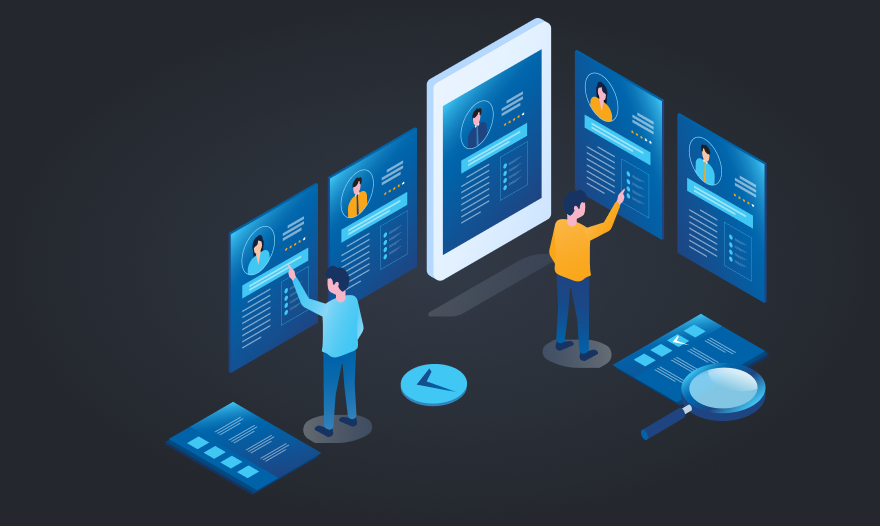
Manufacturers must continuously train workers while minimizing time away from production. Traditional classroom-based training is slow to update and often disconnected from real work conditions.
Industrial AI + Connected Worker Platform Approach
Connected Worker Platforms deliver training directly in the flow of work. Generative Industrial AI enhances this by:
- Structuring training content automatically from existing work instructions
- Adapting guidance based on worker role, experience, or certification level
- Supporting visual, mobile-first, and multilingual learning
Research-Backed Benefits
- Reduced onboarding time
- Higher training effectiveness
- Better long-term skill retention
By embedding training into daily execution, generative AI transforms learning into a continuous, contextual process rather than a one-time event.
Use Case 3: Real-Time Decision Support at the Frontline
Primary AI Type: Agentic (Human-in-the-Loop)
Challenge
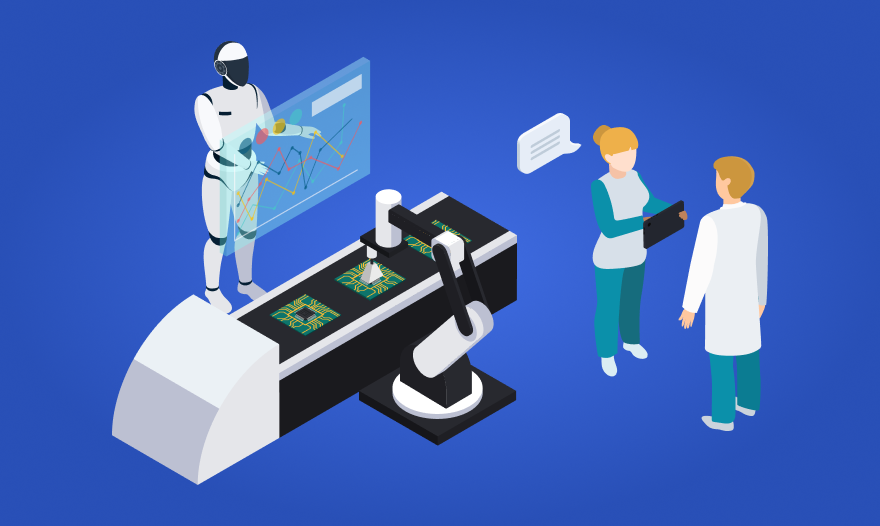
Frontline workers often need to make decisions quickly when deviations occur – such as quality issues, equipment anomalies, or safety concerns – often under pressure and with incomplete information.
Industrial AI + Connected Worker Platform Approach
Agentic Industrial AI embedded within a Connected Worker Platform provides contextual guidance at the moment of execution.
agentic AI can:
- Interpret worker intent during troubleshooting
- Surface the most relevant procedures, checklists, or past resolutions
- Propose next steps while keeping humans in control
Rather than replacing human judgment, this approach reduces cognitive load and ensures responses align with standard operating procedures.
Research-Backed Benefits
- Faster issue resolution
- Reduced error rates
- More consistent responses to deviations
Use Case 4: Standardized Execution and Continuous Improvement
Primary AI Type: Hybrid (Generative + Agentic)
Challenge
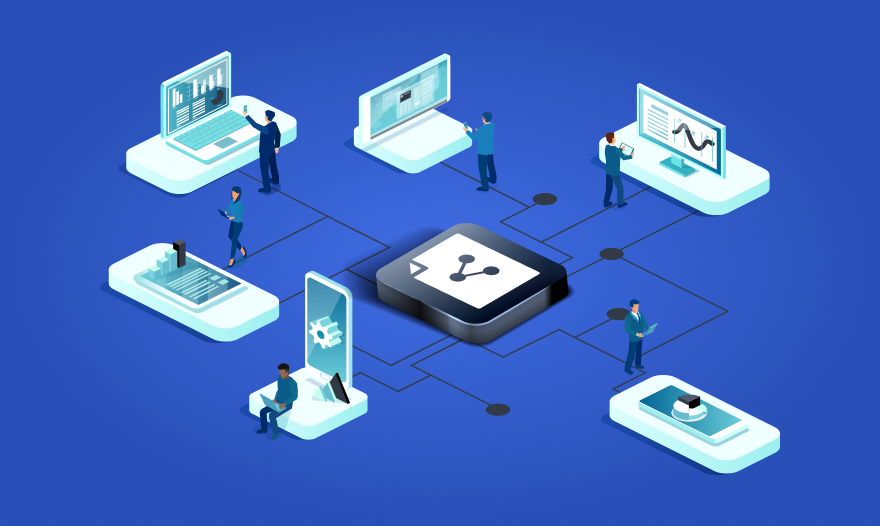
Manufacturers struggle to ensure consistent execution across plants, shifts, and teams. Even well-documented processes can drift over time, limiting the effectiveness of continuous improvement initiatives.
Industrial AI + Connected Worker Platform Approach
Connected Worker Platforms enforce standard work, while Industrial AI continuously improves it by:
- Using Generative AI to capture, structure, and update standard work and improvement insights
- Using agentic AI to identify gaps, recurring deviations, and emerging risks
- Enabling structured feedback loops from frontline workers
This creates a virtuous cycle where execution data feeds learning, and learning continuously strengthens execution.
Research-Backed Benefits
- Higher process adherence
- Faster continuous improvement cycles
- Improved operational resilience
Use Case 5: Multilingual and Inclusive Connected Workforces
Primary AI Type: Generative
Challenge
Global manufacturing operations require consistent communication across diverse languages and cultures. Miscommunication can directly affect safety, quality, and workforce engagement.
Industrial AI + Connected Worker Platform Approach
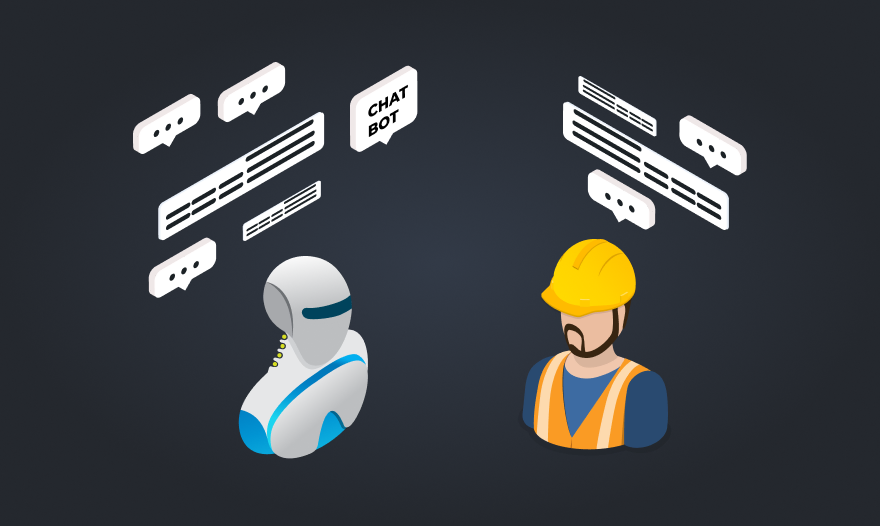
Generative Industrial AI embedded in a Connected Worker Platform enables:
- Automated translation and transcription of work instructions and training
- Standardized visual guidance that reduces reliance on text
- Inclusive access to operational knowledge for all workers
Research-Backed Benefits
- Reduced miscommunication
- Improved safety and quality outcomes
- Stronger workforce engagement
Industrial AI, Connected Workers, and Industry 5.0
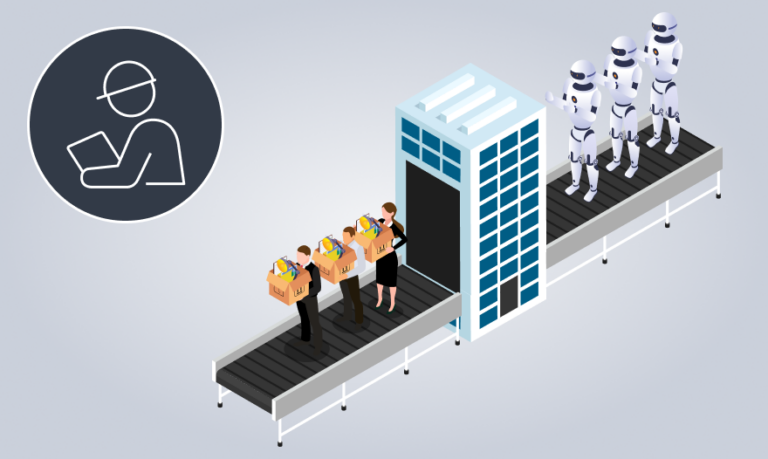
Industry 5.0 reframes manufacturing around human-centricity, resilience, and sustainability. Connected Worker Platforms equipped with Industrial AI directly support this vision by empowering workers rather than automating them out, preserving and scaling human expertise, and increasing adaptability in the face of disruption.
European Commission and World Economic Forum research increasingly identifies this convergence as a defining characteristic of next-generation manufacturing systems.
Key Takeaway: Industrial AI Delivers Value Through Connected Workers
Industrial AI alone does not transform manufacturing. Its value is unlocked when intelligence reaches the people executing the work.
Connected Worker Platforms provide the foundation for adoption, while Industrial AI amplifies their impact by making knowledge smarter, more accessible, and more adaptive.
Poka’s Industrial AI-powered Connected Worker Platform demonstrates how generative and agentic AI can be operationalized responsibly on the factory floor – delivering consistent execution and sustainable operational value. Book a demo to see how this approach comes to life in real manufacturing operations.
FAQs About Industrial AI Use Cases
Knowledge capture, training, real-time decision support, standardized execution, continuous improvement, and multilingual workforce enablement.
Generative AI creates and structures content; agentic AI supports execution and decision-making within a human-in-the-loop model.
No. Industrial AI augments human expertise, reduces cognitive load, and supports better decisions while keeping people in control.
They embed AI directly into frontline workflows, ensuring intelligence is applied at the moment of execution.
By enabling human-centric, resilient manufacturing that empowers workers and scales expertise.