



Published on February 5, 2025
Discover how AI-driven multilingual transcription enhances workforce training, improves safety, and fosters inclusivity in manufacturing.
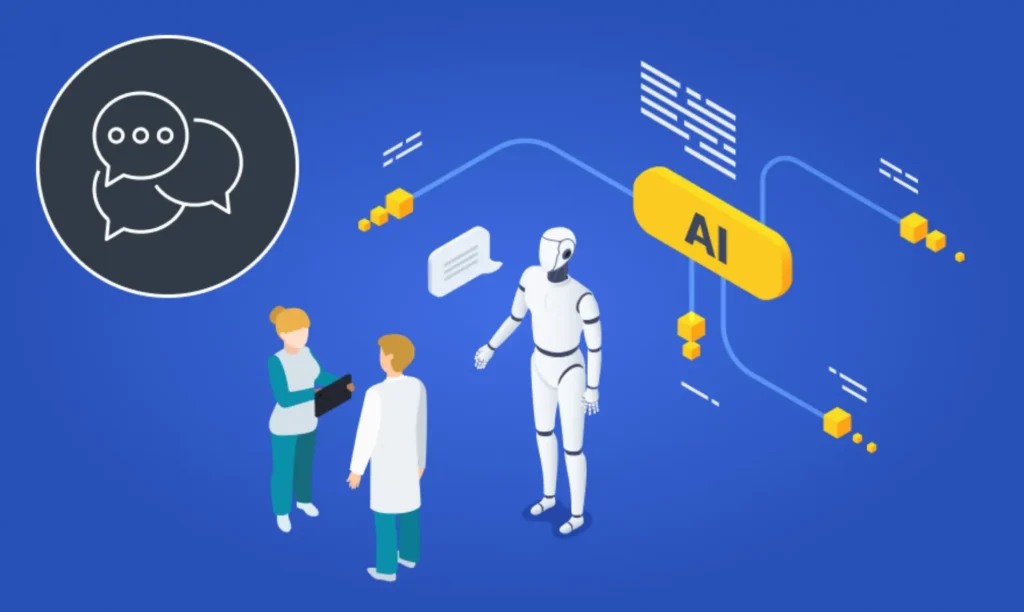
Have you ever started a new job, only to feel lost as colleagues communicated in technical jargon or acronyms that seemed completely foreign? It’s like stepping into a fast-moving assembly line without knowing where your role fits. The experience can be frustrating, overwhelming and isolating.
Imagine a manufacturing environment where workers who speak a foreign language face even greater challenges due to language barriers, complicating the process of creating and following effective work instructions. In today’s globalized and rapidly evolving manufacturing landscape, clear communication is more important than ever. Yet, with 2.92 million immigrant workers in the U.S. workforce alone, language barriers often hinder workplace safety, team collaboration and operational efficiency.
Fortunately, advancements in AI-powered multilingual transcription technologies, like Poka’s Auto Generate Multilingual Transcriptions feature, are reshaping the way manufacturers address these challenges. These tools empower teams to overcome communication barriers, enhance workforce development and create a more inclusive environment where everyone can succeed.
Breaking Language Barriers in Manufacturing
Manufacturing plant floors have a rich history of being some of the most diverse working environments. As global manufacturers establish facilities across numerous countries and continents, this diversity is even more impactful, creating a melting pot of cultures, languages and perspectives. While this brings invaluable opportunities for innovation and collaboration, it also presents unique communication challenges. Language barriers can lead to misunderstandings, reduced productivity and even safety risks. Fortunately, AI-powered transcription technology is emerging as a transformative solution to bridge these gaps and empower global manufacturing teams.
Poka’s Auto Generate Multilingual Transcriptions automatically translates audio in videos into subtitled languages of choice. This innovative feature breaks down language barriers, unlocking global collaboration and allowing manufacturers to create more concise and effective training materials, including video-based digital work instructions. In this article, we will explore how intelligent multilingual transcription plays a crucial role in enhancing communication and productivity within the context of Industry 4.0 and Industry 5.0.
The Case for Multilingual Content
The Importance of Language Inclusivity
As the manufacturing workforce diversifies, the importance of language inclusivity is amplified. Providing accessible training materials and digital work instructions in multiple languages is essential for ensuring that every employee can understand safety protocols and standard operating procedures (SOPs). In an era focused on connected factories and smart manufacturing, it is vital to ensure that all team members are equipped with the same knowledge, regardless of language proficiency.
Ensuring that all workers can comprehend instructions and workplace safety training in their native languages improves operational safety, reduces errors and promotes a higher standard of work. Language inclusivity also aligns with principles of standardization, ensuring all employees follow the same protocols, which enhances efficiency and minimizes risks.
Research by McKinsey & Company indicates that companies in the top quartile for both gender and ethnic diversity are 12% more likely to outperform their competitors on profitability. While this study does not specifically address language inclusivity, it underscores the broader benefits of diversity and inclusion, which can be extended to language considerations in the workplace.
By embracing multilingual content, manufacturing organizations can foster a more inclusive environment, leading to improved performance and a stronger connection with a diverse workforce.
Challenges Posed by Language Barriers
Language barriers can lead to miscommunication, resulting in costly accidents and inefficiencies. For example, during crucial processes such as changeovers, start of production checks and end of production checks, failure to understand instructions can have significant consequences. Traditional translation methods can be slow and unreliable, leading to delays in onboarding and training.
Furthermore, relying solely on manual translations may lead to the loss of tacit knowledge—critical insights gained from experience that can greatly benefit less experienced employees. AI-driven transcription addresses these challenges head-on, enabling real-time communication and rapid adaptation to language needs.
How AI-Powered Transcription Works
The Process of AI-Powered Transcription
AI-powered transcription leverages advanced natural language processing (NLP) and machine learning to convert spoken language into text in real time. This technology continuously refines its understanding of language nuances, dialects and industry-specific terminology, making it essential for the manufacturing environment.
In the manufacturing sector, AI transcription tools can break down global language barriers and encourage worker inclusion. By providing real-time, accurate transcriptions in multiple languages, these tools ensure that all employees, regardless of their native language, can access and understand critical safety protocols and standard operating procedures (SOPs). This inclusivity not only enhances operational safety but also reduces errors and promotes a higher standard of work.
Furthermore, the integration of AI transcription into manufacturing operations aligns with the industry’s shift towards connected factories and smart manufacturing. By enabling seamless communication across diverse linguistic backgrounds, AI transcription supports a more cohesive and efficient workforce, driving continuous improvement and innovation on the factory floor.
Poka’s Auto Generate Multilingual Transcriptions feature demonstrates the power of AI-driven technology in breaking down language barriers within manufacturing environments. This feature automatically translates audio content from training videos, team meetings or other essential communications into employees’ preferred languages. By providing real-time subtitles, the tool allows workers to follow along without missing crucial information, even if they don’t speak the primary language in which the content is delivered.
The technology works by intelligently analyzing the audio content in training materials and translating it into accurate, contextually relevant subtitles. This seamless integration of AI ensures that all workers, regardless of their native language, can access the same high-quality content. By making this information available in multiple languages, Poka fosters a more inclusive and efficient learning environment.
In practical applications, this feature significantly improves knowledge transfer and communication in multilingual organizations. Employees no longer need to rely on manual translations or wait for support from bilingual colleagues, which can slow down the learning process. The result is faster onboarding, improved understanding of complex processes and increased overall productivity across diverse teams.
Real-Time Subtitle Generation
A standout aspect of AI-driven transcription is real-time subtitle generation for video content. This is particularly beneficial for training materials and instructional videos. For instance, during Training Within Industry (TWI) sessions or on-the-job training, managers can provide critical information in the preferred language of each employee without extensive preparation.
By providing multilingual access to digital work instructions and training videos, organizations can ensure that all team members grasp the nuances of their roles, thus enhancing productivity and overall performance. The result is a well-informed, cohesive team ready to tackle challenges in a connected factory environment, while also saving time for senior operators, as learners can independently access the information they need without constantly seeking assistance.
Use Cases for AI-Powered Transcription
AI-powered transcription is versatile and can be applied in various manufacturing scenarios including:
- Training Videos: Automatically generating multilingual subtitles ensures that training programs are accessible to all employees, leading to improved knowledge retention.
- SOPs and Work Instructions: Producing multilingual versions of key documents minimizes misunderstandings and enhances adherence to processes such as cleaning in place and standard work.
- Safety Procedures: Ensuring all workers understand safety protocols is crucial for maintaining a safe work environment. AI-generated multilingual content facilitates compliance and reduces risks.
Advantages of Intelligent Transcription for Manufacturers
Increased Efficiency and Cost-Effectiveness
The ability to generate multilingual content rapidly allows manufacturers to save time and resources. Traditional translation methods involve extensive manual effort and can lead to errors that compromise safety and quality. In contrast, AI-powered transcription tools streamline the process of developing training materials and SOPs, enabling organizations to focus on what they do best: manufacturing quality products.
Accelerating access to training content also speeds up the onboarding process for new employees, ensuring that everyone has access to essential information and training materials promptly. Whether employees are receiving workplace safety training or engaging with standard operating procedures, the need for human translators is significantly reduced, leading to cost savings.
Enhanced Comprehension and Retention
For non-native speakers, understanding safety information and training materials can be challenging. By providing multilingual transcription, companies foster comprehension and retention of critical information. When employees have access to training in their preferred languages, they are more likely to engage with the content and apply it effectively in their roles.
Moreover, this capability empowers employees to participate actively in on-the-job training and discussions, enhancing the overall workforce development process. The result is a more competent and confident workforce capable of handling diverse challenges.
Empowering Collaboration on the Factory Floor
Integrating AI-driven transcription technology helps establish a Connected Factory, where all employees can access standardized information. This fosters collaboration among teams and promotes an inclusive environment where everyone’s contributions are valued. A connected worker experience, bolstered by AI tools, encourages knowledge sharing and communication.
This collaboration enhances productivity and innovation, as employees from various backgrounds can work together to solve problems and drive continuous improvement. By breaking down language barriers, organizations can harness the full potential of their diverse workforce.
Inclusion and Retention Benefits for Connected Workers
Reducing Turnover and Building Loyalty
Inclusivity translates into higher morale among workers, leading to enhanced loyalty and commitment to the organization. Employees who feel valued and understood are more likely to stay and contribute to the company’s success.
High employee turnover poses substantial costs for manufacturers, including increased recruitment and training expenses. McKinsey & Company reports that in 2023, turnover rates in the manufacturing sector averaged 36.6%, leading to higher training and supervision costs, and challenges in maintaining consistent quality and productivity.
By implementing AI-driven solutions that support language inclusivity, companies can mitigate turnover rates and build lasting loyalty among employees. Accessible and engaging training programs enable workers to invest time and effort into their roles, increasing job satisfaction.
Establishing a strong culture of inclusivity allows organizations to attract top talent from diverse backgrounds, contributing to enhanced workforce capabilities and innovation.
These qualities are essential in maintaining a competitive edge in a dynamic manufacturing landscape.
A Future Without Language Barriers
The Role of AI in Global Collaboration
As the manufacturing landscape evolves, the demand for global collaboration increases. Companies expanding internationally must navigate language barriers and cultural differences. AI-powered transcription tools can help overcome these challenges by providing consistent and accurate translations in real-time.
Adopting multilingual capabilities enables manufacturers to support global efforts seamlessly. In a truly connected factory, information and collaboration can flow effortlessly among teams located across different regions, enhancing operational efficiency and minimizing the risk of miscommunication.
The Necessity of Multilingual Capabilities
With industry standards rapidly evolving, the importance of multilingual capabilities will only grow. Manufacturers must adapt by adopting inclusive approaches to communication. Tools such as digital work instructions and SOP management systems, equipped with AI-powered transcription capabilities, will become essential to ensuring compliance and effectiveness across various markets.
Building a robust framework for managing documentation and promoting standardization will be critical for maintaining efficiency in international operations. By investing in technology that nurtures inclusivity and collaboration, companies can thrive in the face of expanding global opportunities.
Conclusion: Unlocking Success with The Future of Multilingual Transcription in Manufacturing
The transformative potential of AI-driven multilingual transcription in manufacturing is clear. By breaking down language barriers, this technology fosters a safer and more productive work environment that enhances communication and collaboration among diverse teams.
As the industry embraces trends like Smart Manufacturing and the Paperless Factory, investing in AI-powered solutions is not just an option—it is essential. By supporting a diverse workforce, companies can enhance productivity and drive retention.
Manufacturers must proactively integrate these tools into their operations to empower their teams to innovate and adapt in a rapidly changing landscape. The future is bright for those who embrace technology prioritizing inclusivity and collaboration.
Now is the time for manufacturers to harness the power of intelligent multilingual transcription to transform the workplace. By integrating AI-driven solutions, organizations can enhance workforce productivity, foster a thriving environment where employees can safely and confidently excel and minimize worker-related barriers. This, in turn, supports the achievement of key organizational goals, such as fiscal performance, profitability and overall success.
Ready to Transform Your Training Process?
Are you prepared to enhance your manufacturing training with AI-powered multilingual transcription? Book a demo today to discover how Poka’s Connected Worker platform can elevate your workplace into a seamless, inclusive environment equipped with effective digital work instructions.
Let us guide you on the path to a connected factory, smart manufacturing and a more productive future!