




Published on October 10, 2025
Learn Industrial AI best practices for manufacturing. Discover how Poka AI automates knowledge creation, improves communication, and empowers connected workers for faster results.
Key Takeaways
- Industrial AI transforms factory operations by streamlining knowledge creation, access and collaboration.
- Automated content conversion digitizes years of knowledge in minutes, dramatically accelerating time-to-value.
- AI-powered search and translation tools give workers instant access to the right answers in their preferred language.
- Embedding AI into daily workflows boosts efficiency, accountability and cross-site collaboration.
- Human-centered AI aligns with Industry 5.0 — augmenting workers’ expertise while supporting safety, agility and inclusion.
- Industrial AI enhances productivity and operational efficiency across the business, driving better decision-making, reducing downtime and supporting long-term growth.
Introduction: Why Industrial AI Matters
In today’s competitive manufacturing environment, knowledge is power — but too often, critical information is trapped in outdated formats, siloed systems or hidden in personal notes. This slows down performance, limits visibility and hinders productivity on the factory floor. The fourth industrial revolution, also known as Industry 4.0, is transforming manufacturing by leveraging advanced technologies such as AI, IoT and cyber-physical systems to create smart, integrated factories.
According to the National Institute of Standards and Technology (NIST), the smart manufacturing definition centers on the use of real-time responsiveness, digital connectivity and the integration of AI and human creativity to optimize processes and improve supply chain efficiency. These core features enable manufacturers to achieve greater flexibility, productivity and competitiveness in a connected industrial landscape.
Industrial AI bridges this gap by converting and connecting knowledge at scale. It allows manufacturers to capture, organize and deliver the right information to the right person, at the right time — enabling faster, smarter and more efficient operations. By harnessing industrial AI, businesses across various industries can better adapt to changing demands – ensuring they remain competitive and resilient in a rapidly evolving landscape.
At the forefront of this shift is Poka AI, part of the IFS ecosystem. Poka AI empowers the connected workforce by automating content creation, enhancing communication and simplifying access to expertise across global operations. The result: factories that are more agile, efficient and ready for the future.
Best Practices for Leveraging Industrial AI
1. Accelerate Digital Transformation with Automated Content Conversion
Manual data entry and document formatting are time-consuming and error-prone. Poka AI eliminates these inefficiencies by:
- Automatically converting PDFs into standardized digital work instructions in minutes.
- Reducing deployment time by up to 78%, accelerating your journey to digital maturity.
- Centralizing decades of operational knowledge into one connected platform.
By leveraging automated workflows, organizations can improve productivity and streamline operations as part of their digital transformation initiatives.
This automation not only standardizes best practices but, through digital workflows, ensures every worker — from operator to executive — can access critical information instantly and that task execution is consistent and reliable across all sites, wherever they are.
2. Transform Video and Handwritten Knowledge into Digital Insights
Much of a factory’s know-how lives in training videos, operator demonstrations, or handwritten notes. Poka AI unlocks this untapped knowledge by:
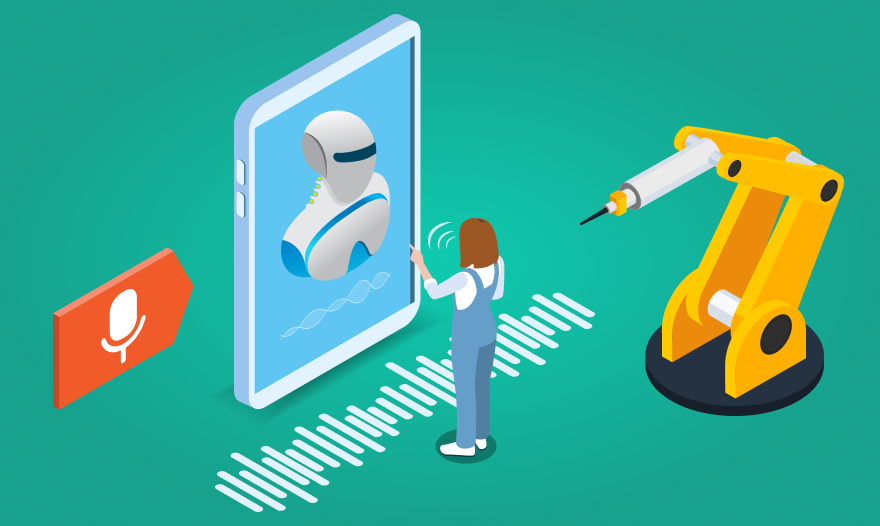
- Converting videos into structured, step-by-step instructions, interpreting both visuals and audio.
- Transcribing handwritten SOPs and checklists into clear, searchable digital documents.
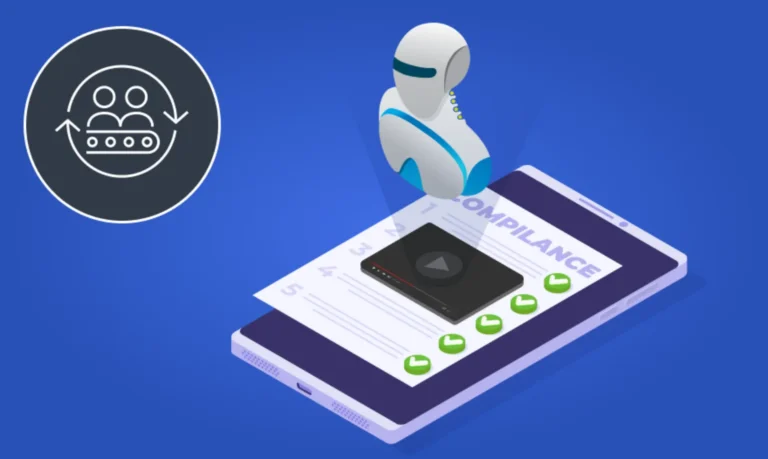
- Ensuring compliance where written instructions are required by safety or quality standards.
This capability dramatically reduces content creation time while making knowledge universally accessible — improving training, performance and safety outcomes. By making knowledge universally accessible, Poka AI also supports faster and more informed decision making on the factory floor.
3. Empower Workers with Smarter, Contextual Search
Finding the right information shouldn’t slow production down. With AI-powered semantic search, workers can simply ask questions — and Poka AI delivers the most relevant answers instantly.
- Understands natural language and vague queries, interpreting intent rather than exact phrasing.
- Provides multilingual search results, ensuring accessibility for global teams.
- Integrates seamlessly into the flow of work, reducing downtime and boosting confidence on the floor.
The “Ask Poka” feature transforms how frontline workers find and use information, making knowledge retrieval as simple as having a conversation.
4. Break Down Language Barriers and Strengthen Communication
In global manufacturing, language can be a barrier to safety and efficiency. Poka AI enhances inclusivity and understanding through:
- Automatic translation and subtitling for video and audio content.
- Real-time correction of grammar and spelling, ensuring clear communication.
- Multilingual access that supports collaboration and learning across regions.
By making communication effortless and consistent, Poka AI ensures every worker — regardless of language — can contribute effectively and confidently.
5. Integrate Human-Centered AI into Everyday Workflows
The most successful AI initiatives don’t replace people — they empower them. Poka AI was designed to seamlessly augment human expertise, making daily tasks easier and more impactful:
- Automates repetitive administrative work, freeing operators to focus on problem-solving. These solutions help streamline operations and accelerate the onboarding of new workers by providing digital tools that support training and knowledge transfer.
- Empowers teams with self-service access to accurate, real-time knowledge.
- Drives operational consistency, enabling factories to scale best practices globally.
As Antoine Bisson, CTO at Poka, an IFS Company, explains:
“We believe in a future where humans matter — where optimal manufacturing performance can be achieved by the seamless augmentation of frontline workers with cutting-edge AI capabilities.”
This philosophy reflects the heart of Industry 5.0 — where intelligent technology enhances human potential.
Big Data Management: Building a Foundation for AI Success
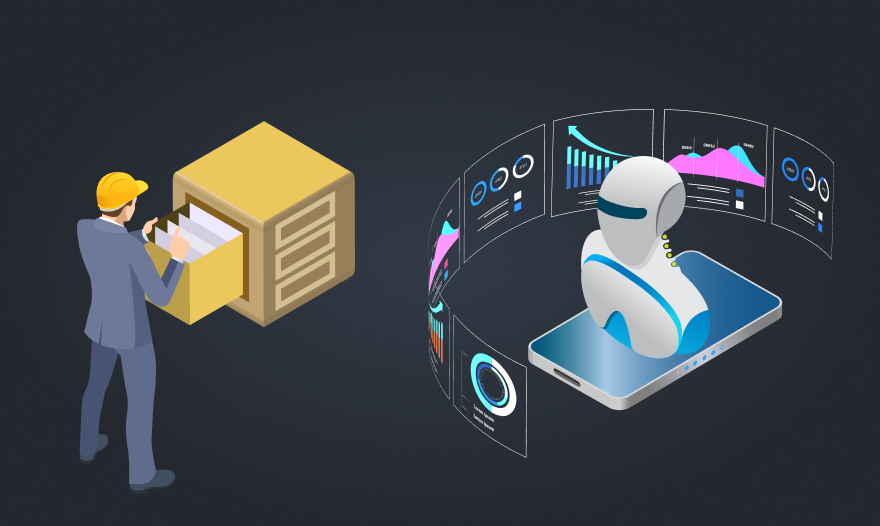
In the era of smart manufacturing, big data management is the backbone that supports the successful deployment of artificial intelligence across the factory floor. Modern manufacturing operations generate massive volumes of equipment data from machines, sensors and connected devices. Effectively collecting, processing and analyzing this big data is essential for optimizing production processes, improving product quality, and driving operational efficiency.
By integrating data from diverse sources, manufacturers can unlock powerful machine learning and AI-driven insights that enable real-time decision making. This is where solutions like Poka Automate play a critical role – seamlessly integrating machine, system, and operator data into one connected platform. With Poka Automate, manufacturers can automatically capture and centralize production data from existing systems such as MES, ERP, or PLCs, eliminating data silos and ensuring accurate, up-to-date insights across operations. This integration not only accelerates digital transformation but also provides the reliable, structured data foundation required for successful AI initiatives.
This data-centric approach allows businesses to identify patterns, predict maintenance needs, and optimize production schedules, resulting in higher productivity and greater customer satisfaction. With robust big data management, manufacturers can move beyond traditional manufacturing processes and embrace a smarter, more agile way of working—where every machine, process, and worker contributes to continuous improvement.
Ultimately, investing in big data management lays the groundwork for AI success in manufacturing. It empowers manufacturers to harness the full potential of their data, streamline operations and deliver higher-quality products to customers, all while maintaining a competitive edge in an increasingly digital industry.
Common Pitfalls to Avoid
The road to AI-powered efficiency is full of potential, but success depends on execution. Avoid these pitfalls:
- Treating AI as a one-time technology upgrade instead of an ongoing improvement process.
- Focusing on automation over human adoption and training.
- Ignoring data governance and quality management.
Overwhelming teams with too much change or complexity at once.
Adopting AI is as much a cultural shift as it is a technological one. Start small, prove value and scale gradually to ensure sustained impact and worker buy-in.
Overcoming Challenges and Resistance to Industrial AI Adoption
While the benefits of industrial AI are clear, many manufacturers face challenges and resistance when integrating these technologies into their operations. Transitioning from traditional manufacturing processes to a digitally transformed environment often requires new skills, updated training programs and significant investments in technology and infrastructure.
One of the most common hurdles is the need for workers to develop new skills that align with AI-driven processes and data-centric workflows. This shift can create uncertainty and concern about job security, worker safety and the impact of automation on daily tasks. Additionally, integrating AI with existing equipment data and legacy systems can be complex – requiring careful planning and robust cybersecurity measures to protect sensitive information and prevent downtime.
To overcome these challenges, manufacturers should prioritize comprehensive worker training and upskilling – ensuring that employees are equipped to thrive in a smart manufacturing environment. Investing in digital transformation and fostering a culture of continuous learning can help ease the transition, while strong data governance and cybersecurity practices safeguard both operations and worker safety. By addressing these concerns head-on, manufacturers can unlock the full potential of industrial AI, driving improvements in productivity, quality and customer satisfaction across the business.
Future of Industrial AI: From Automation to Augmentation
As factories evolve toward smart, adaptive ecosystems, AI will play an even greater role in empowering workers and optimizing operations. Future advancements will include:
- Predictive AI that anticipates production issues before they occur.
- Adaptive learning systems that evolve based on operator feedback and usage patterns.
- AI-driven sustainability through energy optimization and waste reduction.
Advanced technologies such as augmented reality, additive manufacturing and connected machines are shaping the future of industrial AI. These innovations impact the entire product lifecycle – from design and engineering to production, service and maintenance – by optimizing the creation and management of physical products and streamlining supply chains.
Augmented reality enhances real-time information access and collaboration for industrial workers, while remote support enables technicians to receive immediate assistance and visual guidance, improving operational efficiency and safety. Authoritative standards, such as those provided by the National Institute of Standards and Technology, play a crucial role in ensuring quality and best practices as these technologies are adopted.
The fifth industrial revolution (Industry 5.0) is already reshaping the factory floor — merging automation with empathy and innovation with inclusion. Companies that invest in AI today are building the foundation for long-term resilience, agility and growth.
Manufacturing Outcomes and Metrics: Measuring the Impact of AI
Measuring the impact of AI on manufacturing outcomes is essential for driving continuous improvement and achieving operational excellence. Smart manufacturing leverages digital transformation, predictive maintenance, and AI-driven insights to optimize production processes, streamline operations and enhance worker safety.
Key metrics for evaluating AI’s effectiveness include cycle time, training time and reduced downtime, as well as overall equipment effectiveness (OEE) and total productive maintenance (TPM). By harnessing real-time data from digital workflows, mobile devices, and automated workflows, manufacturers can make informed decisions that improve productivity, product quality and energy consumption. For example, USG’s Plaster City plant achieved a 10x faster work instruction creation process using Poka AI – creating over 1,400 digital instructions in just three weeks and saving $60,000 by replacing legacy tools.
AI-powered solutions enable manufacturers to identify bottlenecks, predict equipment failures and implement proactive maintenance strategies – resulting in higher operational efficiency and customer satisfaction. As the industry evolves, developing new benchmarks and metrics will be crucial for tracking progress and ensuring that AI investments deliver measurable value.
By prioritizing data-driven decision making and embracing digital transformation, manufacturers can achieve significant improvements in operational excellence, worker safety, and competitiveness – unlocking the full potential of smart manufacturing for the future.
Conclusion: From AI to Action
Industrial AI is transforming manufacturing into a more connected, efficient, and human-centered industry. With Poka AI, factories can:
- Automate and accelerate digital content creation.
- Empower workers with instant, AI-driven insights.
- Overcome language and communication barriers.
- Scale knowledge sharing across global operations.
The future belongs to manufacturers who blend human expertise with AI innovation — achieving smarter, faster and more resilient operations.
Ready to see how Industrial AI can transform your workforce?
Book a 30-minute demo to discover how Poka AI helps your teams work smarter, not harder.
FAQs on Industrial AI Best Practices
Industrial AI applies artificial intelligence to manufacturing workflows to automate knowledge capture, improve communication, and empower workers with data-driven insights.
By automating the conversion of documents, videos, and handwritten notes into digital content — accelerating digital transformation by up to 78%.
Yes. Poka AI automatically translates audio and subtitles, ensuring global teams can access and understand content in their native language.
No. It’s designed to augment the workforce by giving people faster access to accurate, relevant information — enabling better performance and collaboration.
Reduced deployment times, faster onboarding, fewer errors, and improved operational agility — all contributing to measurable ROI and time-to-value.