





Published on June 15, 2025
Discover how digital shift reports enhance OEE, reduce downtime, and improve team collaboration in smart, connected factories.
Key Takeaways
- A digital shift report is a standardized tool for sharing key production updates between shifts, improving communication and efficiency through real-time, accessible information.
- Visual tools like dashboards, huddle boards and digital reports support faster decisions and continuous improvement by making key information instantly accessible.
- Digital reporting improves overall productivity by reducing errors, standardizing data entry and enabling quicker corrective actions.
- Connected worker platforms foster collaboration, accountability and worker safety through instant access to work instructions and safety alerts.
- Transitioning from paper-based to digital shift reporting streamlines processes, reduces waste and aligns with modern manufacturing practices and Industry 4.0/5.0 goals.
The Importance of Shift Handovers in Manufacturing Operations
In a manufacturing environment where downtime costs dollars and quality defines reputation, seamless communication between shifts is non-negotiable. Shift handovers are pivotal moments where critical information regarding production, equipment and personnel is transferred.
To ensure clear communication and operational efficiency, it is essential to involve and train every employee in the shift handover process. Done well, these transitions support operational continuity and safety. Done poorly, they breed inefficiency, miscommunication and costly mistakes.
As the industry evolves towards Industry 4.0 and Industry 5.0, digital transformation tools like digital shift reports are proving essential to modern connected factories and paperless factory environments.
Challenges of Traditional Paper-Based Shift Reports
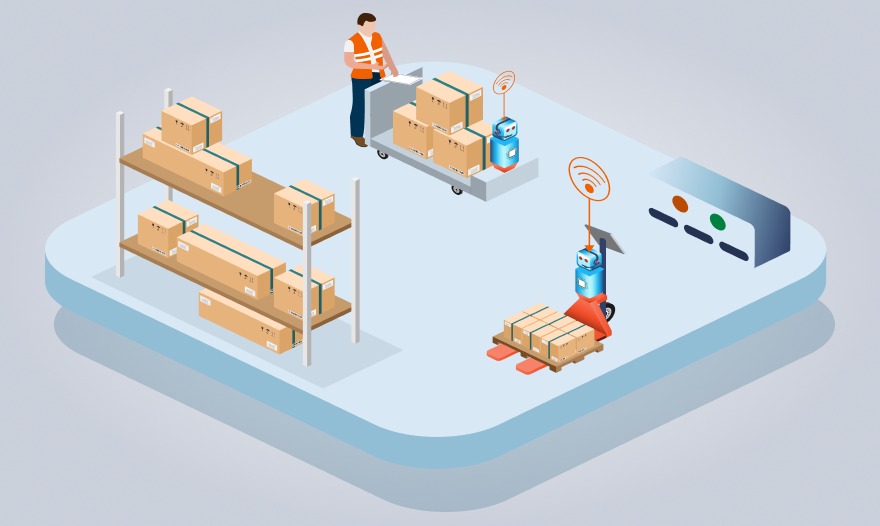
Historically, shift reports were paper-based logs or spreadsheets manually filled out at the end of a shift. While this might suffice in low-complexity settings such traditional approaches are fraught with limitations:
- Illegible handwriting
- Lost or misplaced reports
- Delayed access to information
- Inconsistent report structures
- Redundant data entry
- No defined process for shift handovers causing communication gaps
Paper-based reports can delay or obscure important feedback within a department, making it harder for teams to monitor and improve departmental performance in real time.
These bottlenecks directly impact team huddles, leader standard work and daily direction setting meetings – weakening the very practices designed to foster accountability and transparency.
The Rise of Digital Shift Reporting in Smart Manufacturing
Solutions like Poka have revolutionized the shift handover process. Through a connected interface, Poka enables seamless communication across shifts, reduces errors and improves visibility. By integrating shift reporting with real-time data capture, digital work instructions and visual management, companies can now ensure operational knowledge is not only retained but effectively utilized.
Understanding Digital Shift Reports for Manufacturing Teams
Digital shift reports are structured records used to document key activities, observations and performance metrics from a manufacturing shift. Unlike their paper-based counterparts, digital reports are dynamic, searchable and accessible in real-time.
By enabling real-time data collection and analysis, digital shift reports provide data-driven insights that support faster decision-making and process optimization.
Core Capabilities of Digital Shift Reports
- Real-time updates across teams and locations
- Mobile and tablet compatibility
- Standardized templates and forms
- Integration with other systems (maintenance, quality, training)
- Visual dashboards for visual controls and tracking trends
- Visual management boards for real-time monitoring of process performance and immediate feedback
Visual Management in Manufacturing: The Role of Digital Shift Reports
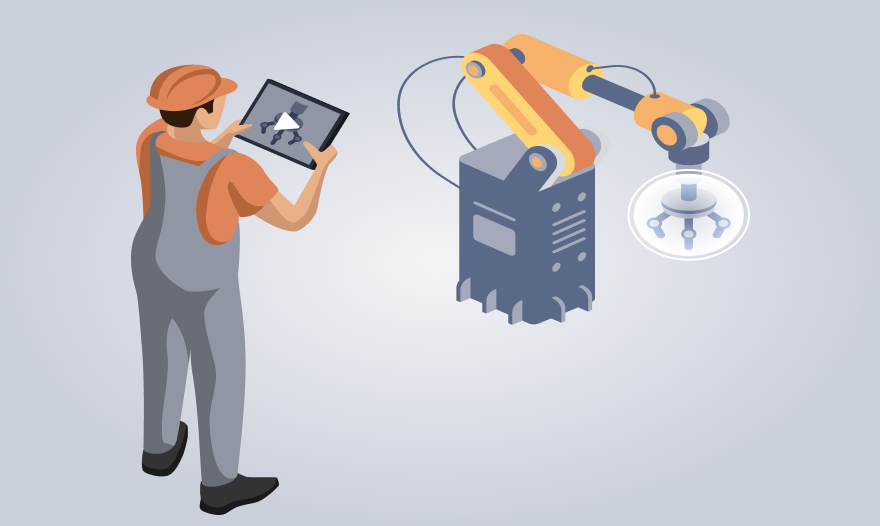
In today’s fast-paced manufacturing environment, visual management has become a cornerstone of operational excellence. By making key performance indicators, production status and important information instantly visible, manufacturers empower teams to act quickly, collaborate effectively and drive continuous improvement.
Digital shift reports are now amplifying the power of visual management, transforming the shop floor into a truly visual workplace where data, processes and people are seamlessly connected.
Digital shift reports serve as a central hub for visual management tools, integrating visual cues, dashboards, huddle boards and real-time updates directly into daily operations. This integration not only streamlines communication between different teams and departments but also ensures that everyone—from operators to supervisors—has instant access to the information they need to make informed decisions.
As a result, companies can more easily identify bottlenecks, balance demand, and implement corrective action, all while supporting a culture of transparency and accountability.
By leveraging digital shift reports as part of a broader visual management strategy, manufacturers can create a dynamic environment where process improvement is continuous, worker safety is prioritized and productivity is maximized. The result is a more agile, responsive and competitive operation—one that is well-equipped to meet the challenges of modern manufacturing.
Using Visual Controls for Efficiency in Shift Reporting
Visual controls are at the heart of effective visual management, providing clear, immediate feedback on the status of production processes and team performance. When integrated into digital shift reports, these visual cues—such as color-coded dashboards, kanban boards and traffic light indicators—make it easy for employees to monitor progress, spot issues and take action in real time.
For example, a digital shift report might feature a visual management board that displays the current state of key production lines using traffic light colors: green for normal operation, yellow for potential issues and red for urgent problems. This simple visual tool enables teams to quickly identify where attention is needed, reducing response times and minimizing downtime. Similarly, kanban boards embedded in digital platforms help teams visualize workflow, track maintenance tasks and ensure that resources are allocated efficiently across shifts.
The Toyota Production System is a classic example of visual management in action, using visual aids and standardized work instructions to create a highly efficient visual factory. Today, digital shift reports take this concept further by integrating advanced technologies like artificial intelligence and IoT devices. These tools provide real-time data analytics, allowing manufacturers to monitor production processes, identify inefficiencies and implement process improvements with unprecedented speed and accuracy.
Visual management tools also play a critical role in worker safety. Digital shift reports can include visual cues—such as icons or alerts—to highlight safety concerns or required training – ensuring that employees are always aware of potential hazards and equipped with the necessary skills. This proactive approach not only reduces the risk of accidents but also supports a culture of safety and continuous learning.
By using visual controls within digital shift reports, manufacturers can foster better communication between different teams, streamline decision making and support ongoing process improvement. The result is a more efficient, transparent and resilient manufacturing process – one where every worker has the tools and information needed to succeed.
As the industry continues to embrace advanced technology, the integration of visual management and digital shift reporting will become even more critical. Companies that leverage these visual management examples and tools will be better positioned to stay competitive, adapt to changing demands and achieve higher levels of productivity and product quality.
Benefits of Implementing Digital Shift Reports with Poka

Enhancing Overall Equipment Effectiveness (OEE)
Digital shift reports help maintain continuity across shifts, preventing duplication of effort and minimizing equipment downtime. Real-time visibility into issues allows for faster troubleshooting and root cause analysis, which enhances leader standard work and accelerates decision-making. Tiered meetings and team huddles focus on rapid problem-solving and maintaining operational standards.
Boosting Manufacturing Quality and Process Efficiency
Digital reporting reduces transcription errors and standardizes data entry, ensuring consistent quality documentation. Operators can access digital work instructions embedded directly in the report, speeding up workflows and reducing deviations.
The integration with quality systems enables faster corrective action – reducing defect rates and supporting regulatory compliance. By enabling rapid response to issues and minimizing defects, digital shift reports directly contribute to improved product quality.
Fostering Collaboration and Operator Engagement Across Shifts
Connected worker platforms foster a sense of ownership and collaboration. They are instrumental in creating collaborative environments that support proactive problem-solving. Operators contribute updates, flag issues, and review previous shift logs directly from their mobile devices. This inclusivity enhances morale and drives proactive problem-solving.
Reducing Waste and Time Through Digital Shift Reporting
A paperless factory isn’t just about sustainability; it’s about efficiency. Digital reports eliminate time spent printing, filing and retrieving documents. Automated notifications and reminders further streamline leader standard work routines, ensuring no task is missed.
Best Practices for Deploying Digital Shift Reports in Manufacturing
Assess Existing Shift Communication Processes
Start by evaluating existing processes, pinpointing pain points like delays, data duplication or lack of visibility.
Additionally, reviewing project management tools and workflows can help identify further opportunities for improvement.
Select a Scalable Digital Reporting Platform
Choose a system that aligns with your needs. Key features to look for:
- Mobile readiness
- Customizable report templates
- Integration with other production and quality systems
- Role-based access control
- Selection of visual tools that align with your company’s goals and reporting needs
- Poka excels in these areas, offering a versatile solution tailored for smart manufacturing environments.
Train Teams to Maximize Platform Adoption
Adoption depends on training that focuses on ease of use and user adoption. With Poka’s intuitive UI and visual guides, frontline workers can quickly get up to speed. Embedding digital work instructions and facilitating daily direction setting meetings digitally ensures consistent usage.
Monitor Digital Reporting Performance for Continuous Improvement
Use analytics dashboards to track usage and identify gaps. Feedback loops and iterative improvements ensure long-term success. Analytics dashboards can also track the number of completed shift reports and tasks – helping ensure accountability and visualize workflow progress.
Manufacturing Outcomes Achieved Through Poka’s Digital Shift Reports
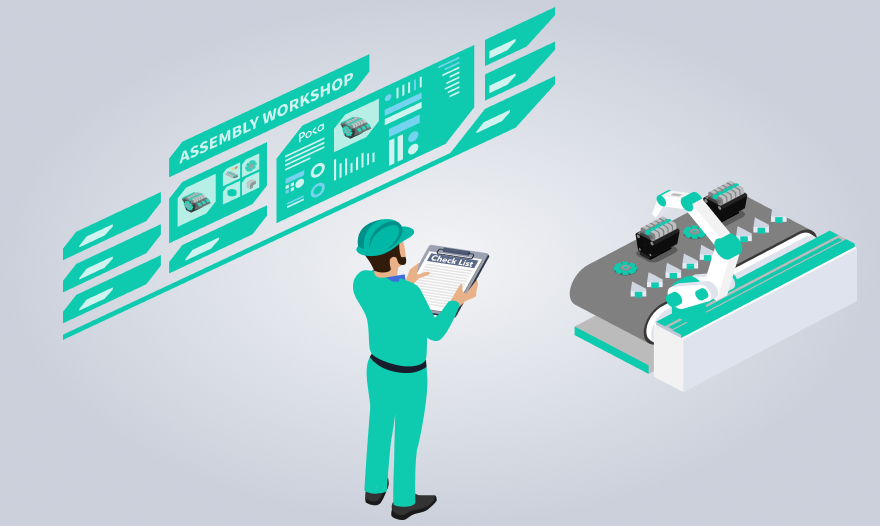
Leading manufacturers using Poka have reported significant improvements:
- Reduction in shift-related delays through better issue tracking
- Fewer quality defects thanks to faster corrective action
- Higher team satisfaction scores with employees citing better communication and easier access to info
The system supports visual controls and integrates shift reporting directly into broader improvement processes. Visual control features in digital shift reports help teams monitor outcomes in real time and maintain transparency across operations.
Key Features of Poka’s Digital Shift Reporting Platform
Shift Handover Forms and Digital Checklists
- Pre-built shift handover template available for a quick start and readily available via QR scan
- Score shift handover forms to automatically speed analysis and responses
- Scheduled checklists support on-time completions
Real-Time Communication and Team Alignment
- Factory Feed communication channels keep frontline teams informed of prior shift issues that could affect current operations, ensuring everyone starts their shift fully briefed
- Personalized dashboards such as Poka’s Home Page highlight relevant issues, troubleshooting tips, and assigned tasks, enabling a smoother and more informed shift handover
- Digital Huddle Boards support structured shift meetings by displaying live updates on issues, task ownership, and next steps—promoting accountability and team readiness at the start of every shift.
Integrated Issue Tracking and Task Management
- Issues and tasks can be created from within the shift handover form
- Assignments ensure visibility and rapid response to issues raised in shift handovers
- The issue board can be filtered to aggregate issues for appropriate visibility and action
Advanced Analytics, Knowledge Sharing, and Skills Tracking
- Built-in dashboards provide actionable insights to continually improve cross-shift performance
- Work instructions include photos and videos to provide complete, consistent and accessible information
- Exams, assessments and endorsements ensure accountability, while the skills matrix provides visibility into skills gaps
- Communication channels engage workers across the plant and shifts to facilitate top-down and bottom-up discussion
Final Thoughts: The Strategic Value of Digital Shift Reports
Digital shift reports are not just a tech upgrade – they are a strategic advantage. By transitioning to platforms like Poka, manufacturers can:
- Optimize production continuity, reduce duplication of efforts and improve response to issues
- Improve quality and efficiency metrics across the factory floor
- Connect operators across shifts to increase engagement and team building
- Eliminate paper waste and save time through digital forms and mobile access
In a landscape defined by rapid change, manufacturers can’t afford to ignore the shift toward connected factories and workforce productivity tools.
Ready to transform your shift handovers?
Book a demo today and take the first step toward operational excellence.
FAQs on Digital Shift Reports
A digital shift report is a standardized digital tool used in manufacturing to capture and share key operational updates between shifts. It enhances communication and operational efficiency by providing real-time, accessible information across teams – ensuring that everyone – from operators to supervisors – has immediate access to the data needed for informed decision-making.
Digital shift reports provide real-time, accessible information that standardizes data entry, reduces errors and supports faster decision-making, leading to improved productivity and quality.
Visual management tools like visual controls, dashboards and kanban boards help make key performance indicators and production status instantly visible – enabling quicker response and continuous improvement.
They integrate visual cues and alerts that highlight safety concerns and required training – ensuring employees are aware of hazards and equipped to maintain a safe workplace.
Switching to digital shift reports streamlines communication, reduces waste, enhances accountability and aligns manufacturing operations with modern Industry 4.0 and 5.0 practices.