





Published on May 23, 2025
Discover how digital cleaning in place (CIP) checklists enhance food safety, compliance, and efficiency in manufacturing. Learn how Poka’s connected worker platform enables real-time guidance, supervisor visibility, and continuous improvement.
Key Takeaways
- Digital Cleaning In Place (CIP) checklists improve food safety compliance and operational efficiency in food and beverage manufacturing.
- Transitioning from manual to digital CIP processes reduces human error, enhances traceability and ensures consistent cleaning procedures.
- Real-time guidance and visual aids empower frontline workers to follow standardized steps accurately, improving training and reducing mistakes.
- Supervisors gain better visibility and performance tracking, enabling timely corrective actions and continuous improvement.
- Implementing digital CIP checklists supports regulatory compliance, reduces downtime, protects product quality and strengthens brand reputation.
Introduction: Why CIP Is Mission-Critical
In the world of food and beverage manufacturing, hygiene is not just a priority – it’s a matter of public health and brand integrity. Cleaning in Place (CIP) refers to the automated process of cleaning internal surfaces of production equipment like pipes, tanks and machinery – all without the need to disassemble the equipment. This process is integral to ensuring food safety compliance, preventing contamination and maintaining consistent product quality. CIP also enhances customer service and reduces waste, benefiting businesses significantly.
Cleaning in Place is a cornerstone of the manufacturing process because it guarantees that equipment is properly sanitized, reducing the risk of cross-contamination, bacterial growth or unsafe products entering the supply chain. Missing or improperly executed CIP procedures can lead to serious consequences, including product recalls, regulatory fines and downtime – all of which can damage a brand’s reputation. CIP is relevant across various industries, particularly food processing and manufacturing – where maintaining hygiene and safety is crucial.
Despite its importance, many manufacturers still rely on outdated methods such as paper-based checklists to manage CIP procedures. These traditional methods are fraught with risks, from human error to inconsistent documentation and poor audit readiness. But thanks to modern technology, manufacturers now have the option to digitize their CIP processes for enhanced accuracy, consistency and accountability.
Poka, a connected worker platform, plays a key role in supporting the digital transformation of sanitation in food and beverage manufacturing. By transitioning from paper-based to digital CIP checklists, manufacturers can gain better oversight, improve compliance and reduce operational risks.
When integrated into daily management practices—such as sanitation reviews, shift handovers and tiered meetings—CIP monitoring becomes a visible and trackable part of operational routines. This ensures that hygiene standards are maintained consistently, issues are escalated promptly and teams remain aligned on compliance priorities.
The Problem with Manual CIP Checklists

While it might seem like a straightforward task, ensuring the consistent and thorough cleaning of complex manufacturing equipment can be a challenge. Many facilities still use manual methods, such as paper-based Standard Operating Procedures (SOPs) or Excel spreadsheets to document and track CIP activities. Regular maintenance of sanitation equipment is crucial to avoid unsanitary conditions, potential health risks and overall compromise of cleaning efforts. These approaches are susceptible to numerous issues:
- Human Error: Even the most experienced workers can overlook steps in the cleaning process. Manual checklists can easily be misplaced, lost or filled out incorrectly – leading to incomplete cleaning or missed steps.
- Inconsistent Documentation: With manual processes, there’s no guarantee that the documentation will be accurate or standardized. Some workers might write unclear or incomplete notes – making it difficult for supervisors to track performance or detect issues.
- Lack of Visibility: Without real-time updates, supervisors and quality managers struggle to monitor the completion of CIP tasks. They may only realize an issue exists when it’s too late – resulting in contamination or regulatory violations.
Manual Cleaning in Place processes can be time-consuming and overwhelming – exposing manufacturers to compliance risks, sanitation failures and production delays—all of which could be avoided with a more reliable, real-time solution.
For example, in one manufacturing facility, an operator missed a critical step in cleaning the pipes that carry ingredients to a production line. Because the paper checklist was not completed correctly, the issue went unnoticed until it resulted in contamination that led to a product recall. The recall cost the company millions in lost revenue, legal fees and damage to their reputation.
Digital Clean-in-Place (CIL) Checklists: The New Standard for Sanitation
In today’s fast-paced manufacturing environment, the need for real-time data, visibility and accuracy is more critical than ever. This is where digital CIP checklists come in. By transitioning from paper to a digital solution like Poka, food and beverage manufacturers can streamline the CIP process – ensuring every cleaning step is followed and documented accurately.
Digital Cleaning-in-Place (CIL) checklists contribute to operational improvements by making small, incremental changes that lead to significant benefits over time. The benefits of digital checklists are clear:
- Traceability: Every action is recorded with a time stamp, making it easy to trace the completion of each step. Digital records are stored in a central location so you can quickly access them for audits or performance reviews.
- Accountability: By digitizing the CIP process, you remove the reliance on tribal knowledge and ensure that each worker receives the same set of clear, standardized instructions. Operators can no longer skip steps or take shortcuts without it being documented.
- Audit Readiness: With all data stored electronically, manufacturers can access historical records at any time – making audits easier and less stressful. Regulatory authorities can quickly verify compliance – reducing the risk of fines or violations.
- SOP Compliance: One of the key benefits of digital checklists is that they help standardize the CIP process. By embedding SOPs into the digital platform, manufacturers ensure that every step of the cleaning process is clear, up-to-date and consistently followed across shifts.
The effectiveness of digital checklists in ensuring compliance and reducing errors is evident, as they help build a culture of safety, consistency and continuous improvement. The digital transformation of the CIP process is an investment that enhances both food safety and operational efficiency.
Creating a Digital CIP Checklist
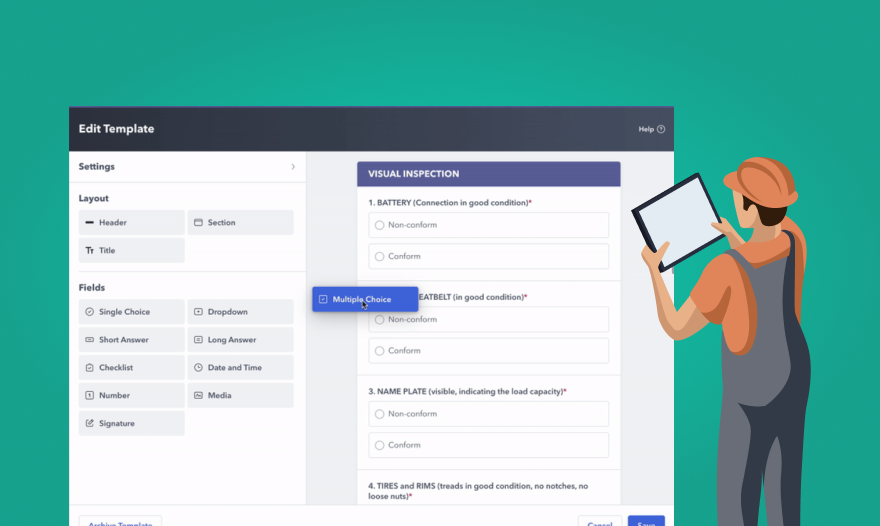
A digital CIP checklist is a crucial tool for ensuring regulatory compliance and operational efficiency in food and beverage manufacturing. To create an effective digital CIP checklist, it’s essential to include comprehensive, step-by-step instructions for all cleaning procedures. This includes specifying the use of appropriate cleaning agents and equipment – ensuring that every task is performed correctly and consistently.
Detailed instructions should be provided for each task, including hands-on training for new employees. This ensures that both new hires and existing employees understand the procedures and can execute them effectively. The checklist should be designed to ensure compliance with safety standards and regulatory requirements – reducing the risk of contamination and ensuring product safety.
Identifying areas for improvement in the cleaning process is also critical. Implementing corrective actions based on these insights can help reduce errors and enhance overall efficiency. The digital CIP checklist should be accessible to all team members, including existing employees and new hires – ensuring that everyone is on the same page.
Regular reviews and updates of the checklist are necessary to reflect changes in the manufacturing process or the adoption of new technologies. Employee training programs should be implemented to ensure that all employees understand the importance of the digital CIP checklist and how to use it effectively. This commitment to continuous improvement and training helps maintain high standards of hygiene and operational efficiency.
Implementing a Digital CIP Checklist
Implementing a digital Cleaning in Place checklist requires a commitment to continuous improvement and a willingness to adopt new technologies. The process should begin with a thorough analysis of the current cleaning procedures to identify areas for improvement. This analysis will provide a clear understanding of the existing gaps and the steps needed to address them.
A dedicated team should be formed to design and implement the digital CIP checklist. This team should include representatives from various departments to ensure a comprehensive approach. The checklist should be integrated with existing systems, such as ERP and MES, to ensure seamless data exchange and streamline communication across the manufacturing plant.
Employee buy-in is crucial for the successful implementation of the digital CIP checklist. Training programs should be provided to ensure that all employees understand the new procedures and the importance of adhering to them. This training should cover the use of the digital checklist, the benefits it offers and how it contributes to overall operational efficiency.
The digital CIP checklist should be regularly monitored and updated to ensure that it remains effective and efficient. This includes reviewing the manufacturing plant’s layout and equipment to tailor the checklist to the specific needs of the facility. By designing the checklist to streamline communication and reduce errors, manufacturers can ensure that the production line runs smoothly and efficiently.
Implementing a digital CIP checklist is a strategic move that supports continuous improvement, enhances compliance and boosts operational excellence. By committing to this process, manufacturers can significantly improve their cleaning procedures and overall production quality.
Real-Time Guidance for Frontline Workers
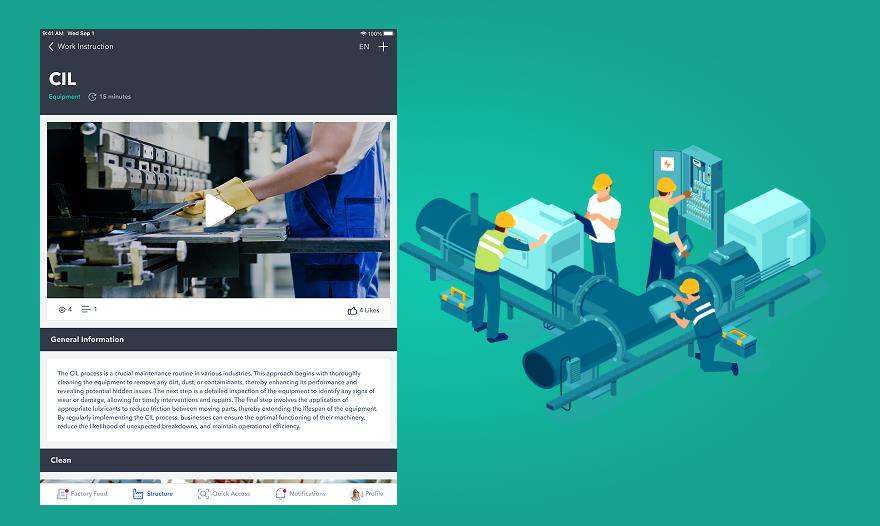
When it comes to Cleaning in Place, frontline workers are at the heart of the process. However, with complex procedures and frequent shifts, ensuring that every worker adheres to the same high standards can be difficult. That’s where real-time guidance from digital SOPs makes a difference. Having the tools needed for success, such as digital SOPs, empowers professionals to engage in continuous learning and access training programs.
Digital checklists can also include visual aids such as images or videos which are invaluable for quickly training new operators. With these tools, workers can immediately grasp the correct procedures – helping them learn faster and reducing the risk of mistakes.
For instance, when cleaning a large fermentation tank, workers can access a visual guide that shows how to clean the various parts of the tank properly. This visual reference helps reduce the likelihood of missed steps or improper cleaning – especially for new employees who may not be as familiar with the process.
Supervisor Visibility and Performance Tracking
For supervisors and quality managers, having clear, real-time visibility into the progress of the CIP process is critical for ensuring high-quality standards are met. Effective changes are often initiated by core team members within specific departments. Digital checklists provide supervisors with instant access to important performance metrics, including:
- Checklist completion rates: Supervisors can verify in real time whether cleaning tasks are being completed as scheduled.
- Skipped steps: If any steps are missed or delayed, the supervisor is immediately notified and can take corrective action.
- Recurring issues: Digital platforms like Poka allow supervisors to track patterns in CIP performance, such as recurring problems or bottlenecks. This information can help identify areas for improvement in the process or the training program.
Additionally, supervisors can use KPIs (Key Performance Indicators) tied to checklist completion to drive team performance. By tracking these metrics, supervisors can incentivize workers to follow best practices, celebrate individual successes and address areas that require attention.
For example, if a particular shift consistently fails to complete CIP tasks on time, the supervisor can investigate and provide targeted training or resources to that team.
This ensures that issues are addressed promptly, reducing the risk of food safety violations or compliance failures. Companies in the food and beverage manufacturing industry are committed to fostering a positive workplace culture, continually expanding and innovating to meet global demands.
Tangible Changes You’ll See with Poka
By adopting Poka’s digital CIP checklists, manufacturers can experience several measurable benefits.
Regularly updating sanitation Standard Operating Procedures (SOPs) is crucial, especially in response to new equipment, to ensure protocols remain effective and up-to-date.
Manufacturing plants benefit significantly from digital transformation, as connected worker solutions revolutionize operations by enhancing connectivity and data access, ultimately boosting efficiency and improving workflow management.
Improved Compliance and Risk Reduction
- Standardized digital guidance helps ensure all sanitation steps are followed, reducing the likelihood of errors or omissions.
- All activities are logged and time-stamped, providing an easily accessible audit trail for compliance verification.
- Consistent execution of sanitation procedures across teams minimizes the risk of non-compliance during inspections or audits.
Enhanced Product Quality and Brand Protection
- A cleaner, more consistent sanitation process leads to fewer quality issues and customer complaints.
- By reducing contamination risk, manufacturers can protect both their brand reputation and product quality.
Reduced Downtime and Faster Execution
- With real-time instructions and clear guidance, operators can complete their tasks faster and with fewer errors.
- The reduction of mistakes and confusion helps to minimize planned downtime – allowing the production line to run smoothly and efficiently.
Actionable Analytics for Continuous Improvement
- Supervisors can track CIP performance trends – identifying areas that need improvement or further training.
- Real-time insights help drive improvements and close any gaps in the cleaning process, making it easier to maintain high standards.
Standardized Knowledge for All Operators
- Digital SOPs provide all workers with access to the same training materials, reducing ambiguity and ensuring a consistent approach across shifts.
- Troubleshooting tools are built into the platform, providing instant solutions to recurring problems.
Use Case: Poka’s Digital Cleaning in Place Checklist
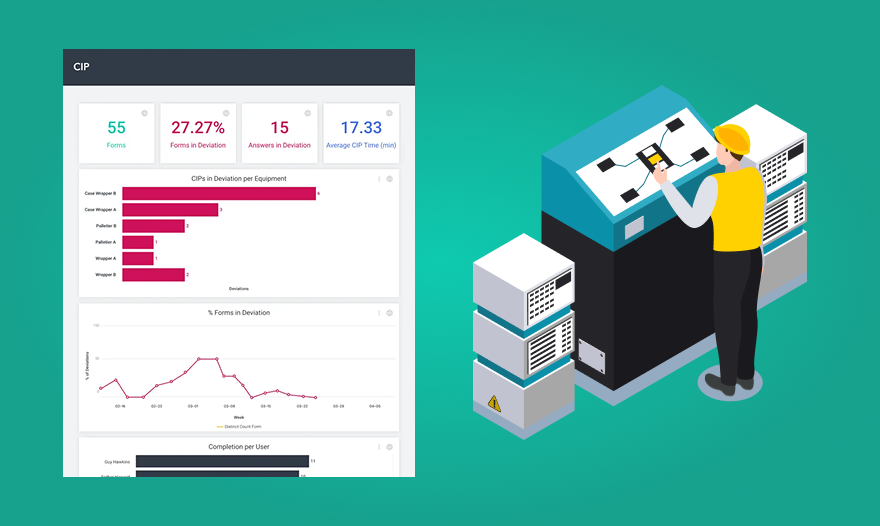
Poka’s digital CIP checklist simplifies and streamlines the cleaning process. Maintaining cleanliness and hygiene during the production process is crucial for food safety and reducing the risk of contamination. One example of this is how manufacturers use Poka to:
- Digitize their CIP workflows, ensuring accurate, real-time data collection.
- Quickly onboard new employees with built-in training tools – making it easier for them to follow proper sanitation procedures.
- Use video tutorials and visual guides embedded directly into SOPs to provide clear instructions
- Set up real-time alerts to notify supervisors of missed steps or potential compliance issues.
By leveraging Poka for continuous improvement and real-time collaboration, manufacturers can significantly enhance their CIP process. Digital checklists also play a crucial role in enhancing quality assurance within the food production process, ensuring that all sanitation standard operating procedures (SOPs) are followed meticulously.
Conclusion: Digitize to Sanitize Better
The food and beverage manufacturing industry has seen significant changes in the way sanitation processes are managed and the shift toward digital CIP checklists is a key part of this transformation. By adopting a connected worker platform like Poka, manufacturers can ensure food safety compliance, improve operational efficiency and reduce risks associated with outdated, paper-based methods.
With real-time visibility, improved training and continuous feedback loops, digital CIP checklists help foster a culture of safety, consistency and quality. It’s time to move away from error-prone manual processes and adopt a solution that supports the future of sanitation in manufacturing.
Ready to revolutionize your CIP processes?
Book a demo today and see how Poka’s digital checklists can transform your approach to sanitation and food safety compliance.
FAQs on Digital Cleaning In Place (CIP) Checklists
Cleaning In Place (CIP) is an automated method to clean the inside surfaces of production equipment like pipes and tanks without taking them apart. It helps keep food and beverage manufacturing safe and hygienic.
Digital checklists reduce human errors, provide real-time guidance, and store records electronically, making cleaning more consistent and easier to track for audits.
They ensure every cleaning step is followed exactly, provide clear instructions and visuals, and alert supervisors to missed steps – which helps prevent contamination.
Yes, they include step-by-step instructions and videos that help new hires learn quickly and perform cleaning tasks correctly.
Supervisors get real-time visibility of cleaning progress, can track performance, identify recurring issues and take corrective actions promptly to maintain high standards.