








What is a Lean Daily Management System: How to Launch and Scale a DMS
Welcome to Daily Management 101
Daily management isn’t just about meetings. It’s a discipline. A rhythm. A system that keeps teams aligned and operations on track—day in and day out.
At its core, a Daily Management System (DMS) brings structure to how manufacturers plan, execute, and improve their operations. Borrowing from Lean principles, it has evolved in the digital age to go beyond whiteboards and manual processes. Today, a modern DMS connects people, routines, and performance data across shifts, teams, and sites.
In this guide, we’ll break down what daily management really means, why it matters, and how to implement and scale it using digital tools like Poka. Whether you’re just starting out or looking to strengthen existing practices, this page will help you build a culture of daily discipline that delivers real results.
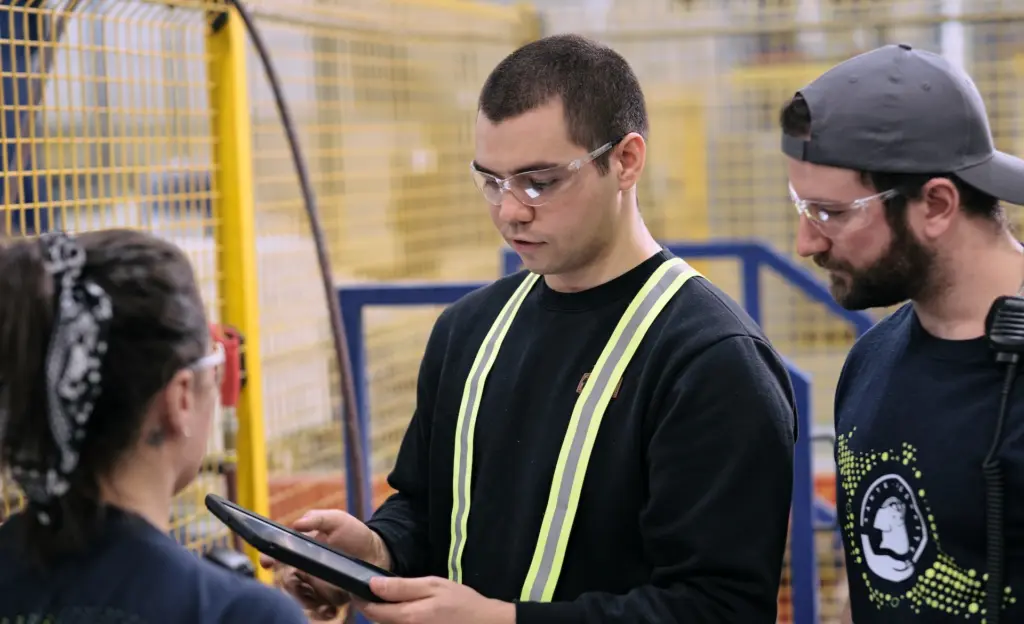
Table of Contents
What Is Daily Management?
Why Daily Management Matters
Core Pillars of Daily Management
Scaling Daily Management Digitally
Daily Management with Poka
Getting Started with a DMS
Daily Management Resources
Frequently Asked Questions
1. What Is Daily Management?
Daily Management is a structured approach that combines behaviors, routines, and tools to:
- Keep operations aligned with daily goals
- Surface and solve problems quickly
- Enable teams to take ownership of performance
- Drive continuous improvement
Born out of Lean thinking, Daily Management helps shift organizations from reactive firefighting to proactive execution. It ensures that operational control isn’t left to chance but maintained through consistent, visible, and repeatable practices.
Importantly, Daily Management is not a whiteboard or a checklist. It’s a system of engagement—anchored in frontline reality but supported by leadership. When done right, it closes the loop between strategy and execution, aligning daily work with organizational goals.
Key takeaway: Daily Management is not just meetings—it’s a system.
2. Why Daily Management Matters: From Chaos to Clarity
Without daily management, the factory floor often feels like controlled chaos:
- Issues are discovered late leading to firefighting
- Performance varies between shifts
- Leadership lacks real-time visibility
- Continuous improvement becomes episodic, not embedded
A strong Daily Management System brings order, clarity, and momentum. It does this by:
Born out of Lean thinking, Daily Management helps shift organizations from reactive firefighting to proactive execution. It ensures that operational control isn’t left to chance but maintained through consistent, visible, and repeatable practices.
Importantly, Daily Management is not a whiteboard or a checklist. It’s a system of engagement—anchored in frontline reality but supported by leadership. When done right, it closes the loop between strategy and execution, aligning daily work with organizational goals.
Key takeaway: Daily Management is not just meetings—it’s a system.
Empowering Frontline Workers
DMS gives frontline teams a voice and a framework to raise issues, share updates, and take ownership of KPIs.
When workers are actively engaged in daily problem-solving, they become more invested in outcomes and are better equipped to drive improvements from the ground up. This builds a culture of accountability and pride in performance.
Standardizing Routines
Structured meetings, audits, and leader routines eliminate guesswork. Everyone knows what’s expected and when.
Standardization also reduces variability across shifts and teams, ensuring consistent execution even in complex or high-turnover environments.
Surfacing Problems in Real-Time
Through visual tools and regular check-ins, issues become visible early—before they escalate or repeat.
This allows teams to respond quickly, limit disruptions, and uncover root causes faster, turning problems into learning opportunities.
Driving Business Outcomes
By aligning daily actions with business objectives, DMS leads to tangible gains in productivity, quality, and accountability.
It also improves communication across departments and leadership levels, helping the organization respond with greater agility to operational challenges.
The bottom line? Daily Management makes operations more predictable, problems quicker to solve, and teams more engaged.
3. The Core Pillars of Daily Management
Think of Daily Management as an integrated system. Each element reinforces the others, creating a loop of communication, alignment, and improvement.
Tiered Meeting Structures
Tiered meetings create a cascade of communication from the frontline to leadership. Concerns raised in one tier flow upward until they’re resolved—creating both upward visibility and downward alignment.
- Tier 1: Daily direction setting meetings where frontline teams discuss immediate issues
- Tier 2: Supervisors escalate unresolved problems
- Tier 3: Leadership reviews systemic challenges and removes barriers
This structure ensures that no problem is too small or too big to be addressed.
Leader Standard Work
Leader Standard Work (LSW) defines the daily, weekly, and monthly routines leaders should follow to sustain operational discipline. These tasks often include:
- Attending or facilitating tiered meetings
- Performing Gemba Walks
- Reviewing KPIs and coaching frontline teams
LSW ensures that leaders are not only reactive problem-solvers but proactive enablers of performance.
Gemba Walks
A Gemba Walk means going to the actual place where work happens. With digital tools, leaders can now:
- Record observations on mobile devices
- Flag non-conformances
- Assign and track follow-up actions
- Connect insights to KPIs
This keeps leaders grounded in frontline reality while driving real-time problem-solving.
Shift Handovers
Poor shift transitions can cause missed updates, repeated mistakes, and downtime. A standardized shift handover process ensures:
- Clear documentation of issues and priorities
- Visibility into previous shift’s performance
- Fewer surprises for incoming teams
Digitizing this process makes it even more reliable—especially in 24/7 operations.
Visual Management
Seeing is understanding. Visual Management tools—like digital huddle boards, KPI dashboards, and production status displays—make it easy for teams to:
- Track real-time performance
- Spot deviations quickly
- Align on goals
These visuals act as a shared language for teams across functions and shifts.
Layered Process Audits (LPA)
LPAs are short, routine audits conducted by personnel at multiple levels—from supervisors to site leaders. They reinforce adherence to standard work and reveal risks before they become problems.
Key benefits include:
- Promoting accountability at all levels
- Driving standardization across teams and shifts
- Highlighting systemic issues for improvement
By layering audits into daily work, teams embed a culture of discipline and continuous improvement.
4. Why Digital Matters: Scaling Daily Management Across Sites
A paper-based Daily Management System can work—until it doesn’t.
Challenges include:
- Hard-to-read handwriting and missed updates
- Limited visibility across shifts or departments
- No way to track trends or escalate issues consistently
- Audits that sit in binders instead of driving action
That’s why more manufacturers are going digital.
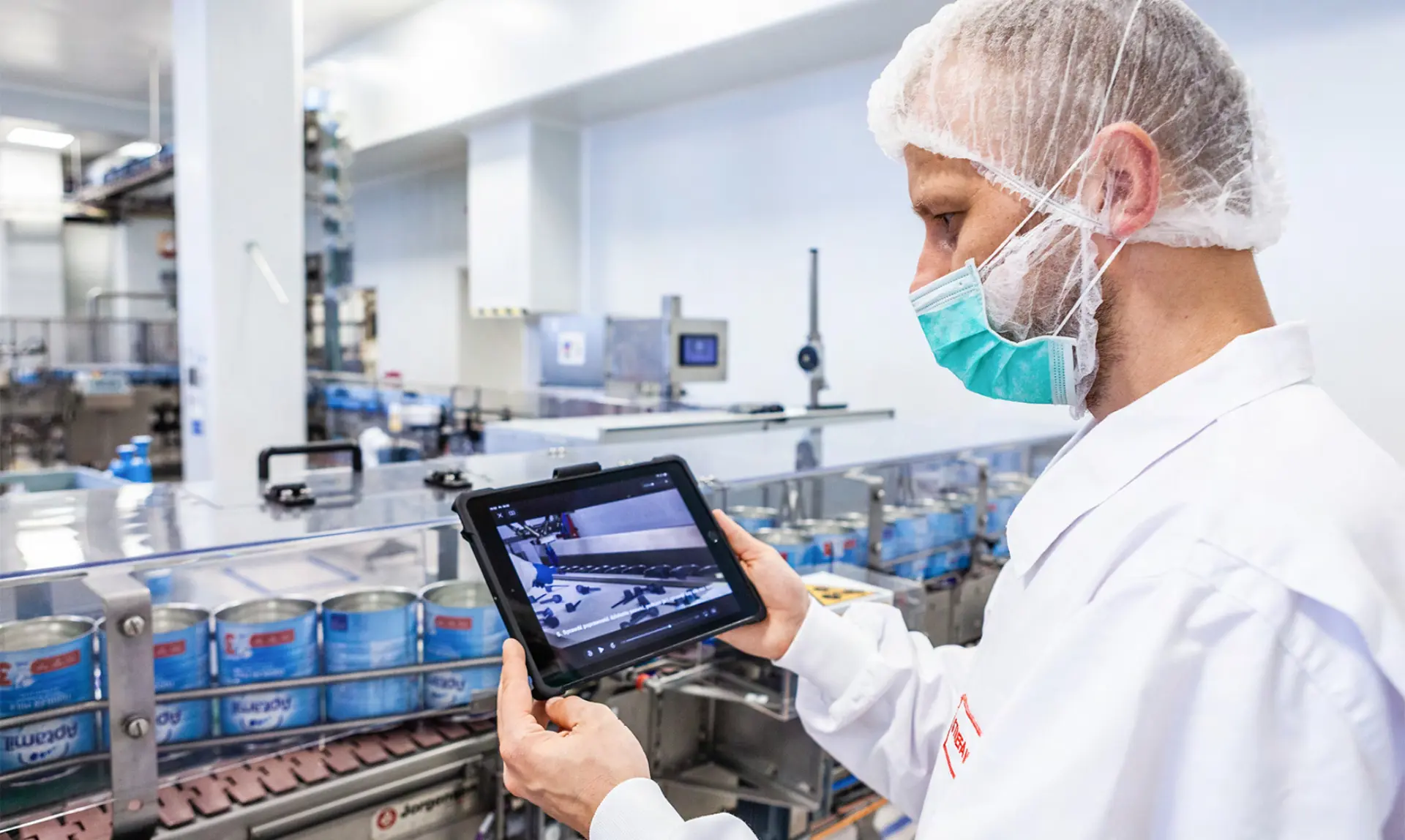
How Digital Tools Like Poka Help
A connected worker platform like Poka makes daily management scalable and sustainable by enabling:
- Real-time communication and collaboration through mobile apps, huddle boards, and escalation workflows.
- Standardization across teams and sites via shared KPIs, audit templates, and meeting structures.
- Coaching at scale using digital Leader Standard Work checklists, task tracking, and follow-up workflows.
- Automated documentation of issues, shift handovers, and actions — with time-stamped traceability.
- Total transparency, where problems are surfaced early, assigned clearly, and resolved quickly — supported by actionable insights from frontline data.
Digital platforms also help bridge language barriers, time zones, and skill gaps. They make it easier to coach, communicate, and continuously improve—no matter how complex your operations are.
Key takeaway: Daily management needs more than tools—it needs digital support to scale.
5. Daily Management with Poka
Poka is purpose-built for manufacturing, making it an ideal platform to digitize and scale your Daily Management System. Here’s how:
Run Daily Meetings with Context
Teams can view KPIs, log updates, and assign follow-ups all within a structured meeting workflow. Poka ensures that no issue goes undocumented—and no action goes untracked.
This creates a single source of truth that makes meetings more productive and follow-ups more reliable, improving execution at every level.
Use Huddle Boards and Dashboards
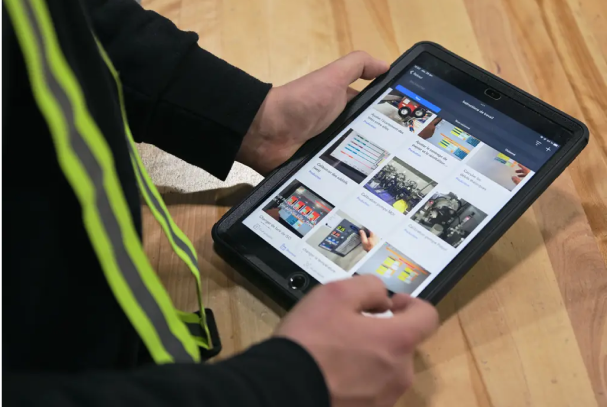
Poka’s digital Huddle Boards transform traditional team meetings by eliminating manual updates and improving accessibility. Unlike physical boards that require daily upkeep, Poka’s boards automatically populate with real-time data—so team leads no longer spend time writing updates or transcribing information into spreadsheets for tracking and analysis.
Because these boards are digital, they’re accessible from any device—meaning teams can stay aligned whether they’re on the shop floor or working remotely. Everyone can check in on key metrics like safety, quality, and delivery at a glance, from anywhere.
This seamless visibility drives accountability and empowers team leads to focus on improvement, not admin—boosting productivity while enabling faster, data-driven decisions.
Support Leader Standard Work
Digitize Leader Standard Work (LSW) checklists to drive consistency, accountability, and rigor across daily routines. Poka makes it easy to standardize and audit leadership tasks, ensuring they aren’t skipped or forgotten—something all too common with paper-based methods.
Digital checklists not only reinforce expectations but also unlock real-time visibility into execution, enabling better follow-up and coaching. Multimedia instructions can be added to guide frontline interactions, while completion tracking across teams ensures operational discipline is sustained and measurable.
Reinforce Standard Work for Frontline Workers
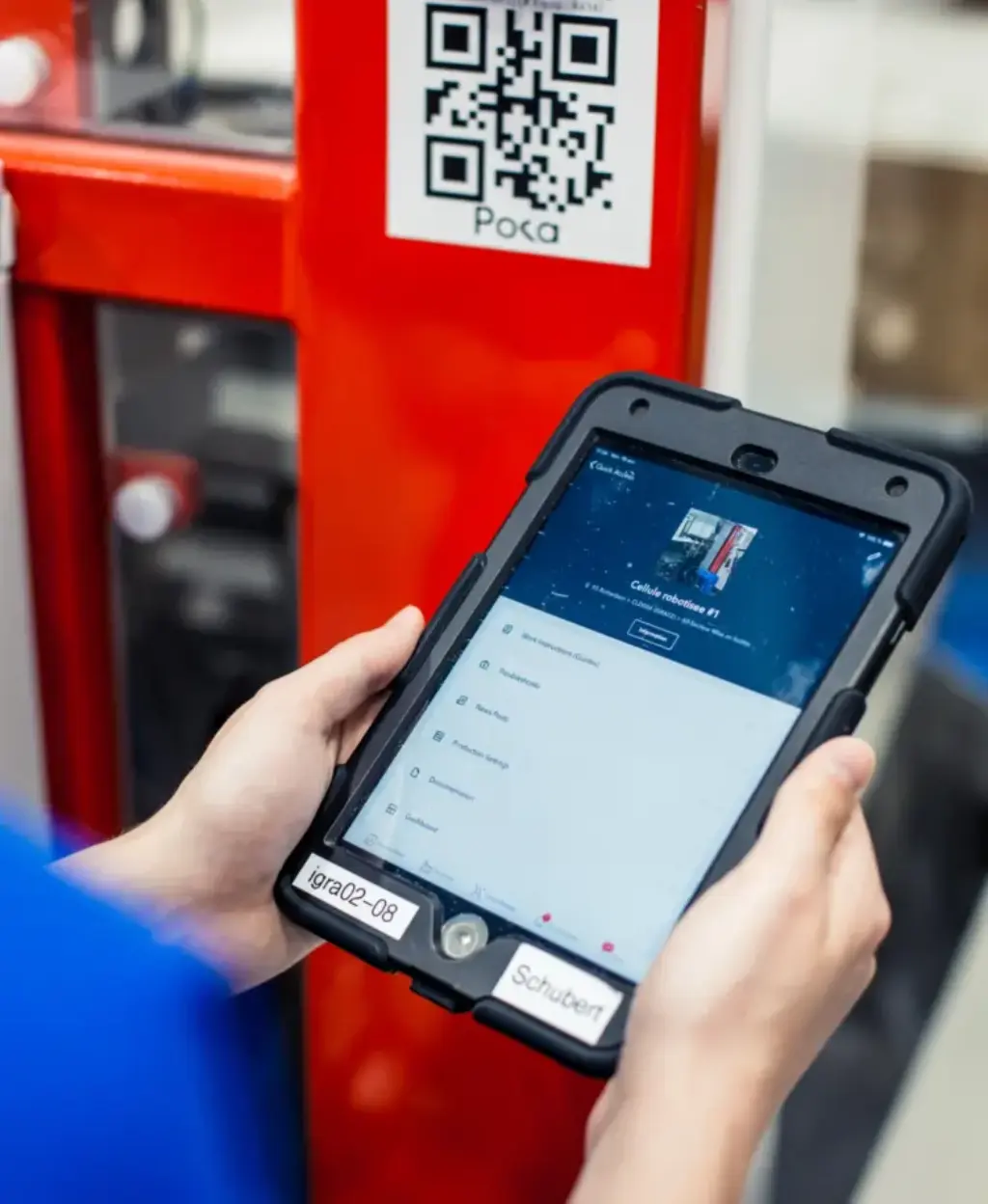
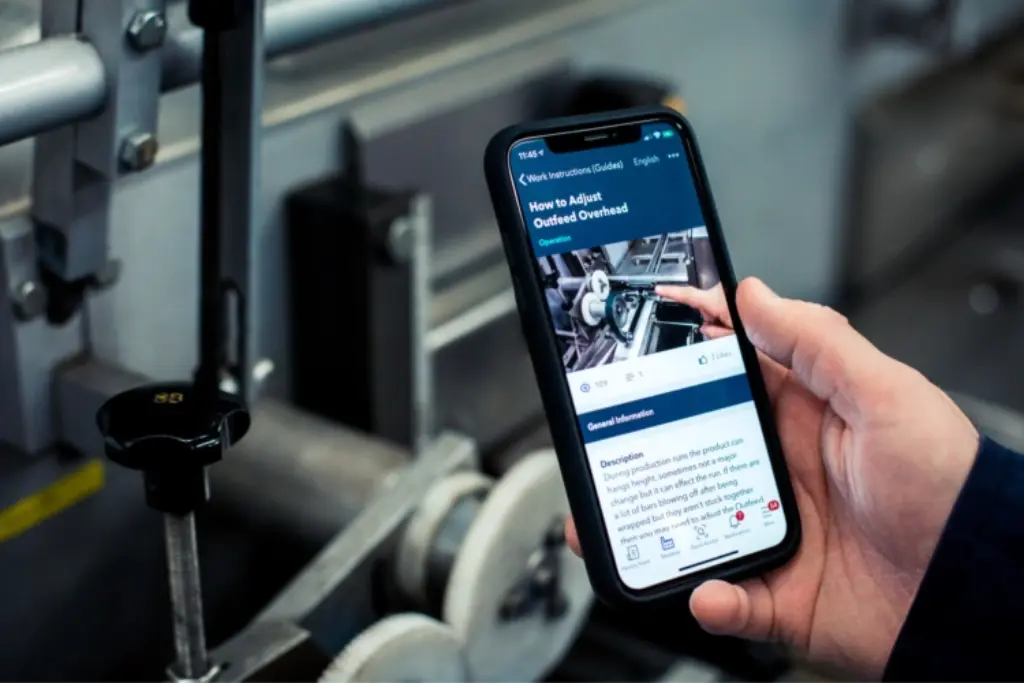
Poka empowers teams to digitize standard operating procedures with intuitive, step-by-step checklists enriched with images and videos. Workers can access these directly at their workstations—supporting just-in-time learning, reducing errors, and improving consistency across shifts.
Digital execution ensures checks are not overlooked and drives rigor into frontline reporting. Managers gain instant access to operational data, helping identify issues as they emerge and enabling faster, more informed decisions. This level of visibility is critical to maintaining high standards and fueling continuous improvement.
Enable Effective Shift Handovers
Standardized digital forms capture shift notes, alerts, and action items—ensuring smooth transitions and fewer repeat issues.
Teams gain immediate visibility into previous activity and open issues, reducing delays, miscommunication, and downtime.
Conduct Digital Gemba Walks
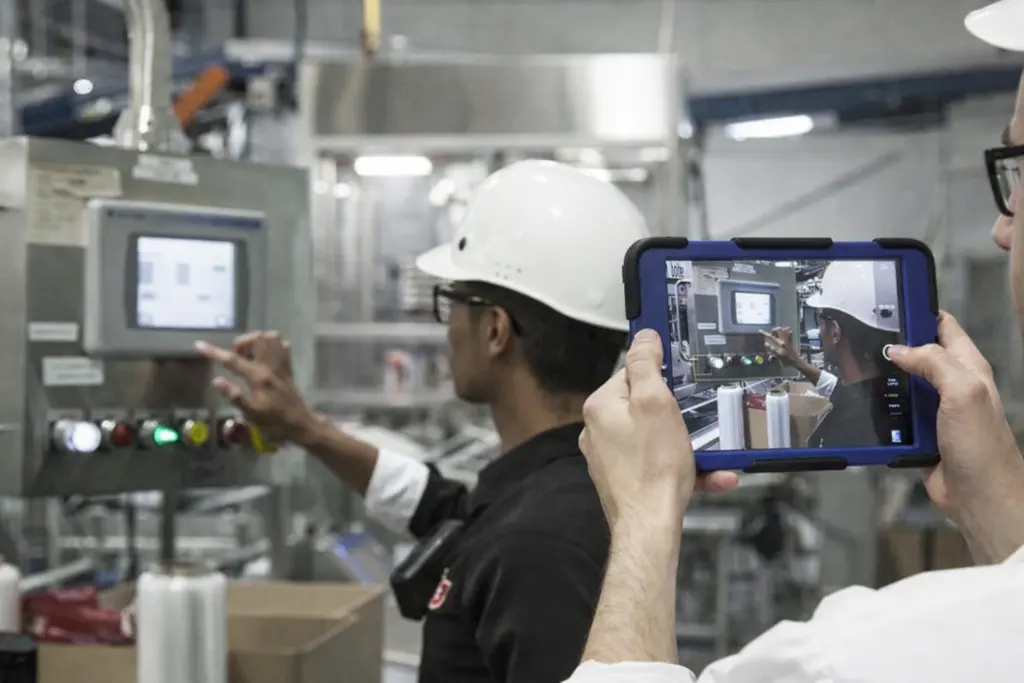
Supervisors and managers can perform walk-throughs using Poka, flag issues instantly, and link observations to KPIs or standard work—all while staying on the move.
With mobile access and real-time documentation, leaders can stay connected to frontline realities and drive accountability on the shop floor.
Support Layered Process Audits
Build and deploy LPA templates across teams. Assign audits by role, track trends over time, and generate reports that fuel improvement.
Digitizing LPAs ensures consistency, simplifies tracking, and strengthens cross-tier engagement in maintaining operational standards.
Real-World Results: Bosch Automotive Enhances Daily Management with Poka
Bosch Automotive’s production site adopted Poka to improve how frontline teams report issues, access information, and collaborate—transforming daily routines into a more engaged, efficient system.
The Challenge: Fragmented Tools & Lost Context
Before Poka, Bosch teams relied on a mix of paper, radios, and static displays for training, troubleshooting, and communication. Without a single source of truth, knowledge was siloed, updates were delayed, and context was often lost—making it difficult for workers and leaders to maintain alignment and act quickly.
The Solution: A Centralized, Multimedia Platform
Poka became Bosch’s centralized hub for everything: communications, digital work instructions, real-time troubleshooting, and feedback. Key capabilities included:
- Rich media (photos, videos) that boosted clarity in instructions and problem reporting
- Poka dashboards to share preventive maintenance status and KPIs
A unified “war table” for Kanban board tracking, new issues, calls for help, and resolutions - Multimedia training content that supported skill development and knowledge sharing across shifts
The Impact: Better Communication & Faster Ramp-Up
With Poka, Bosch significantly improved shop floor communications. Workers could report problems with full context, immediately alert the team via centralized dashboards and access skill training at the point of need. This accelerated issue resolution and supported rapid ramp-ups—especially valuable during new product introductions.
As Project Specialist Jason Ream noted:
“Poka has created a central hub for communications, training, documentation, and feedback and has really just ramped our game up.”
What This Means for Daily Management
This success story highlights how Poka supports the core tenets of a disciplined Daily Management System:
- Structured Visual Communication: Central dashboards and Kanban “war rooms” bring issues and priorities to light in real time.
- Consistent Problem Reporting: Multimedia logs turn ambiguous issues into actionable insights.
- Continuous Learning: Video-based work instructions embedded in workflows support frontline upskilling.
- Faster Escalation: Immediate visibility ensures issues escalate through proper daily routines and meetings, not emails or memory.
6. Getting Started: Build a Culture of Daily Discipline
Launching a Daily Management System doesn’t have to be overwhelming. Start small, build momentum, and let the results speak for themselves.
Tips to Get Started
Start with meetings: Establish daily direction setting with visual tracking
Introduce standard work: Begin with Leader routines, then expand to teams
Use technology as an enabler: Avoid over-engineering. Let tech support, not replace, human interaction
Execute digital Gemba Walks: Train leaders to identify, log, and act on frontline issues
Create early wins: Pick one department or line, measure improvements, and scale from there
The key is discipline—daily, visible, and consistent discipline that builds trust and drives performance.
Ready to begin? Book a demo with our team, download our daily management checklist, or talk to a specialist to explore your starting point.
7. Additional Daily Management Resources

8. Frequently Asked Questions About Daily Management Systems
Daily Management is a structured system of routines, behaviors, and visual tools used by manufacturing organizations to keep operations on track, solve problems quickly, and drive consistent daily performance. At its core, it provides a repeatable framework for aligning frontline teams and leadership around shared goals—typically through daily meetings, real-time performance tracking, standard work routines, and structured communication practices.
Rooted in Lean manufacturing principles, Daily Management helps ensure that what needs to happen on the shop floor actually happens—and that deviations from the plan are surfaced and addressed in real time. It turns abstract performance goals into tangible, daily actions and gives frontline workers a voice in identifying problems and driving improvements.
Unlike one-off improvement initiatives, Daily Management is embedded into the rhythm of operations. It builds operational discipline by standardizing how teams communicate, how leaders lead, and how work is reviewed and adjusted—day in and day out. When fully implemented, it becomes the foundation for continuous improvement and a key enabler of agile, responsive manufacturing.
In short: Daily Management transforms chaos into clarity by connecting people, performance, and problem-solving in a daily operating system that scales.
A Daily Management System (DMS) is a structured approach used in manufacturing to ensure daily operations are aligned with strategic goals. It includes daily meetings, visual management tools, standard work routines, and problem-solving processes that help frontline teams and leadership monitor performance, identify issues, and drive continuous improvement.
Daily management is critical in lean manufacturing because it creates the discipline needed to maintain standards, sustain improvements, and quickly respond to deviations. Without it, teams struggle with inconsistent performance, lack of accountability, and reactive decision-making. A DMS provides the visibility and structure needed to empower workers and continuously improve.
The most common components of a DMS include:
- Daily direction-setting meetings
- Tiered meeting structures
- Leader Standard Work
- Gemba Walks
- Shift handovers
- Visual management tools (e.g., KPI boards)
- Layered Process Audits (LPAs)
Together, these elements create a closed loop of communication, alignment, and accountability on the shop floor.
Tiered meetings allow information and issues to flow from the frontline up through leadership.
- Tier 1: Operator-level huddles focus on daily metrics and immediate issues.
- Tier 2: Supervisors review escalated concerns and ensure support.
- Tier 3: Site or plant leadership addresses systemic issues and ensures alignment with business goals.
This cascading structure ensures visibility, faster problem-solving, and better decision-making.
A daily huddle (or direction-setting meeting) is a short, structured meeting held at the start of a shift. It helps teams review key metrics (such as safety, quality, delivery), address immediate issues, and align on priorities for the day. These meetings are foundational to maintaining operational discipline and team alignment.
A successful shift handover process should include:
- Key performance data from the previous shift
- Open issues and unresolved problems
- Equipment status or maintenance alerts
- Safety or quality incidents
- Prioritized tasks for the incoming shift
Digitizing this process improves consistency, traceability, and communication across shifts.
Leader Standard Work (LSW) is a defined set of daily, weekly, and monthly activities that leaders follow to support standard processes, coach teams, and drive continuous improvement. It typically includes attending tiered meetings, conducting Gemba Walks, and reviewing KPIs. LSW reinforces accountability and ensures leadership is actively engaged in frontline performance.
Gemba Walks involve going to the “real place” where work is done (the Gemba) to observe processes, engage with workers, and identify problems. In the context of daily management, Gemba Walks help leaders:
- Spot deviations from standard work
- Reinforce safety and quality behaviors
- Gather insights for improvement
Digital tools enhance Gemba Walks by enabling real-time documentation, issue tracking, and follow-up.
Visual management involves using visual tools (e.g., KPI boards, status lights, dashboards) to make operational status, targets, and problems visible in real time. It enables teams to identify issues faster, make informed decisions, and stay aligned. Digital visual management enhances this by enabling live updates and multi-site visibility.
Digital tools enhance daily management by:
- Standardizing and automating checklists
- Enabling real-time performance dashboards
- Facilitating digital Gemba Walks and audits
- Improving shift communication with structured handovers
- Centralizing issue tracking and escalation
Platforms like Poka make it easier to implement and scale these practices across teams and sites.
Layered Process Audits (LPAs) are short, frequent audits conducted by multiple levels of the organization to ensure that critical processes are being followed. They help reinforce standard work, identify risks early, and drive accountability across all layers of the plant.
In a daily management system, LPAs:
- Support continuous improvement
- Ensure compliance with safety and quality standards
- Foster leadership engagement and ownership