





Published on June 17, 2025
Discover how Poka’s connected worker platform digitizes and standardizes product changeovers with digital SOPs, real-time data, AI and training tools.
Key Takeaways
- Efficient product changeovers are essential for modern manufacturing agility and competitiveness.
- Digital SOP management with tools like Poka ensures standardized, clear and accessible instructions.
- Real-time data, AI and big data analytics drive continuous improvement and quality control.
- Training and knowledge sharing reduce errors and empower operators for better performance.
- Aligning with Industry 4.0 and 5.0 principles supports human-centric, sustainable and smart manufacturing.
Why Digital Product Changeovers Are Key to Manufacturing Success in Industry 4.0 and 5.0
Product changeovers are a critical part of modern manufacturing—but when mismanaged, they become a bottleneck. Whether you’re switching product lines, tooling setups or packaging configurations, poor execution leads to increased downtime, quality issues and operational inefficiency. Integrating changeover preparation and follow-up into daily management routines—such as shift handovers, tier meetings and performance reviews—helps ensure consistency, improve coordination and minimize disruptions across teams.
The evolution of manufacturing has been shaped by key concepts and technological advancements that define each industrial revolution. After Industry 4.0, the fifth industrial revolution, or Industry 5.0 is emerging as the next phase, emphasizing human-centric collaboration between people and advanced technologies. These shifts are not limited to manufacturing but impact multiple industries – driving the need for agile and efficient changeovers.
For manufacturers embracing Industry 4.0 and preparing for Industry 5.0, the question isn’t if changeovers should go digital, but how. That’s where Poka’s connected worker platform comes in—transforming changeovers into a streamlined, standardized and smart process.
This article explores how Poka’s all-in-one solution addresses the complexity of product changeovers with powerful tools for SOP management, workforce training, real-time data and paperless factory execution – creating value for organizations and workers alike.
The Evolution of Manufacturing and the Need for Agile Changeovers
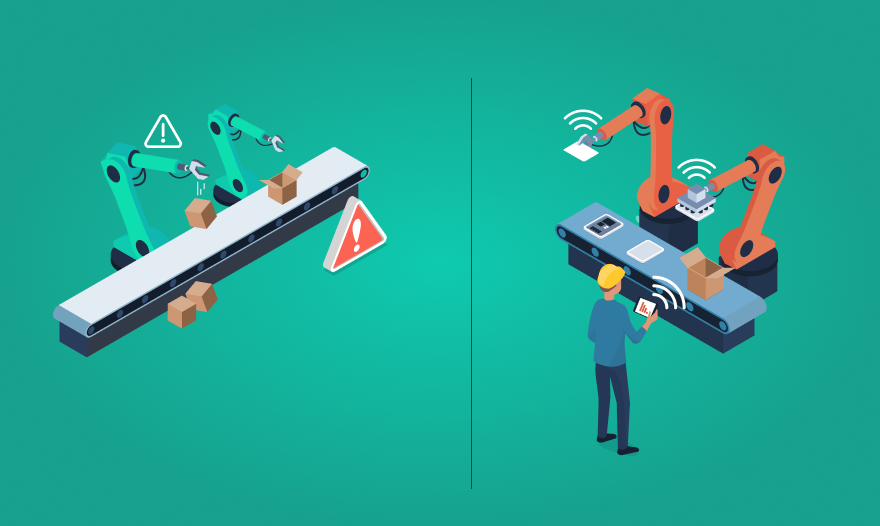
The manufacturing industry has experienced remarkable transformation since the dawn of the industrial revolution. Each era has brought new advancements, from the mechanization of the first industrial revolution to the mass production techniques of the second and the automation and computerization of the third.
Today, the fourth industrial revolution is redefining manufacturing by integrating advanced technologies such as artificial intelligence, big data and the Internet of Things (IoT) into every facet of production. These innovations have enabled organizations to dramatically improve efficiency, productivity and quality across their operations.
However, as the pace of change accelerates, manufacturers face increasing pressure to adapt quickly to shifting market demands and customer expectations. Agile changeovers—rapidly and efficiently switching production lines or processes—have become essential for staying competitive. Achieving this level of flexibility requires more than just new technologies; it demands robust, effective standard operating procedures (SOPs) that ensure consistency and quality throughout the production process.
By embracing digital transformation and leveraging the power of advanced technologies, organizations can create agile, responsive processes that drive success in the modern manufacturing landscape.
Why Inefficient Product Changeovers Hurt Manufacturing Operations
In many factories, product changeovers still rely on manual processes, outdated SOPs and undocumented tribal knowledge. This results in:
- Excessive planned downtime
- Inconsistent execution from shift to shift
- Quality issues due to missed steps or improper setups
- Lack of traceability for audits and root cause analysis
- Frustrated operators and missed production targets
These are the negative effects of inefficient changeover processes.
These inefficiencies not only reduce Overall Equipment Effectiveness (OEE) but also limit agility—something manufacturers can’t afford in an era of fast-changing consumer demand and complex production environments.
How Poka Digitizes and Standardizes Product Changeovers
Poka is a connected factory platform designed to empower frontline workers with tools to execute changeovers with speed, accuracy and accountability.
From digital checklists to real-time analytics, Poka supports the full lifecycle of a changeover operation—from preparation to execution to continuous improvement – helping ensure every changeover follows an effective standard operating procedure.
Here’s how Poka helps manufacturers turn every changeover into a repeatable, measurable success.
Digital Work Instructions and SOP Management for Changeover Standardization

At the core of efficient changeovers is consistent execution—and that starts with standard work. Poka enables manufacturers to digitize and centrally manage all Standard Operating Procedures (SOPs), where a standard operating procedure is a documented set of instructions that outlines the necessary steps for completing a specific task.
Key benefits include:
- Centralized repository for SOPs with version control
- Organizing and maintaining a complete sop document with all required elements such as a table of contents, references, glossary and detailed procedural steps
- Visual work instructions using photos and videos
- Easy access via QR codes on the factory floor
- Multilingual support to serve global workforces
Digital SOPs in Poka can be structured as a step by step list to ensure clarity and ease of understanding for the intended audience. SOPs should be created with input from all relevant stakeholders to ensure they are in the best interest of the organization and tailored to the intended audience for maximum clarity and effectiveness.
A complete SOP covers all aspects of the procedure, including compliance requirements and should be regularly updated to reflect any changes or the introduction of a new SOP. When developing an SOP, it is important to identify all necessary steps and use active voice in instructions for better clarity.
SOPs can be tailored to a specific task within the changeover process, and other factors such as equipment or team structure may influence SOP design. Examples of digital SOPs include instructions for machine setup, cleaning or quality checks during changeovers.
By standardizing the documentation lifecycle, Poka eliminates reliance on tribal knowledge and ensures every operator has access to the most current procedures.
Digital Checklists for Start of Production and End of Production Checks
Poka’s digital forms and checklists help teams follow consistent steps for start of production checks, end of production checks and cleaning in place (CIP) procedures. These dynamic checklists are more than just task lists—they’re guides embedded with visual aids, time tracking and validation rules and can include specific checks for materials selection and properties.
Features include:
- Configurable checklist templates for different changeover types including materials verification
- Multimedia support for deviation capture (photos, videos, notes)
- Timestamping and user authentication for compliance
- Offline mode for facilities with limited connectivity
The result is reduced setup time, fewer mistakes and faster line readiness. Digital checklists also support quality assurance by ensuring all required steps and standards are met during changeovers.
Knowledge Sharing to Eliminate Tribal Knowledge Gaps
Tribal knowledge—undocumented experience passed verbally—creates risk when experienced workers are absent or new employees are on shift. Poka helps manufacturers capture and distribute this critical information using its connected knowledge management system.
Capabilities include:
- Troubleshooting guides embedded in digital forms
- Instant access to best practices via mobile devices
- QR code linking for work instructions and job aids
Sharing knowledge in this way helps operators gain a better understanding of changeover procedures. This supports faster problem-solving and builds a more self-reliant workforce.
Real-Time Communication and Task Management During Changeovers
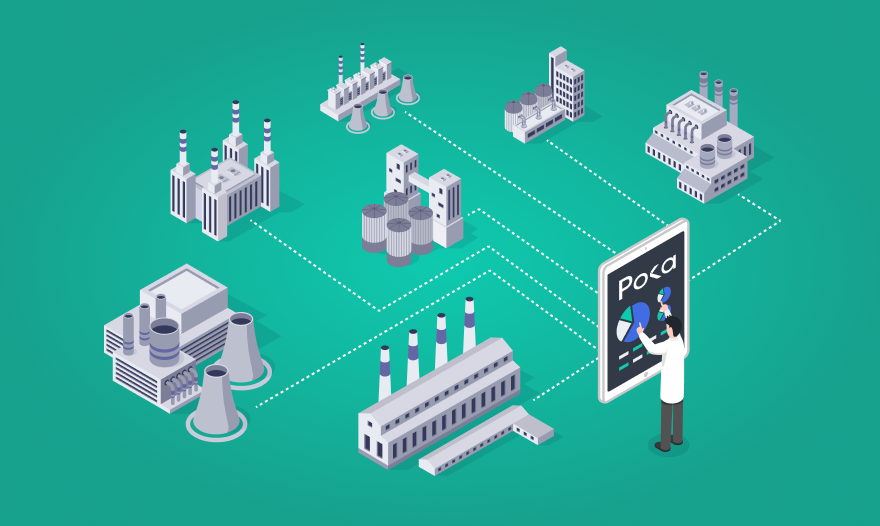
Changeovers involve cross-functional coordination. With Poka, teams stay aligned through built-in communication and task management tools – helping keep the organization coordinated and on track during changeovers – ensuring nothing falls through the cracks.
These tools enable:
- Factory-wide updates via Poka’s Factory Feed™
- Task assignment and escalation for issue resolution
- Tracking and logging of actions taken during the changeover
- Changeover-related announcements to prepare teams in advance
By promoting transparency, Poka enables smoother transitions and reduces avoidable downtime.
Training and Skills Tracking for Changeover Competency
A common cause of changeover delays is the lack of trained personnel. Poka solves this by linking skills management directly to changeover documentation and SOPs, making training easier to assign and track.
Functionality includes:
- Role-based skills matrices for each changeover process
- Learning paths linked to actual SOPs and job tasks
- Visual dashboards showing skill gaps and coverage
- Built-in assessments for verifying changeover competency
This ensures operators are properly trained and qualified before they begin the changeover process—eliminating errors at the source.
Changeover Analytics for Operational Improvement
Poka doesn’t just digitize changeovers—it makes them smarter. The platform includes powerful analytics dashboards to track performance over time, so managers can drive continuous improvement.
With Poka Analytics, manufacturers and businesses can:
- Monitor changeover issues across lines and shifts
- Identify common deviations or skipped steps
Compare performance by team or individual
- Detect improvement opportunities using historical data
Improved changeover analytics can positively impact supply chains by reducing delays and increasing responsiveness. This makes it easier to implement corrective actions, standardize across sites and maintain a culture of operational excellence, while enabling businesses to benefit from data-driven decision making.
Artificial Intelligence and Big Data: Unlocking New Efficiencies in Changeovers
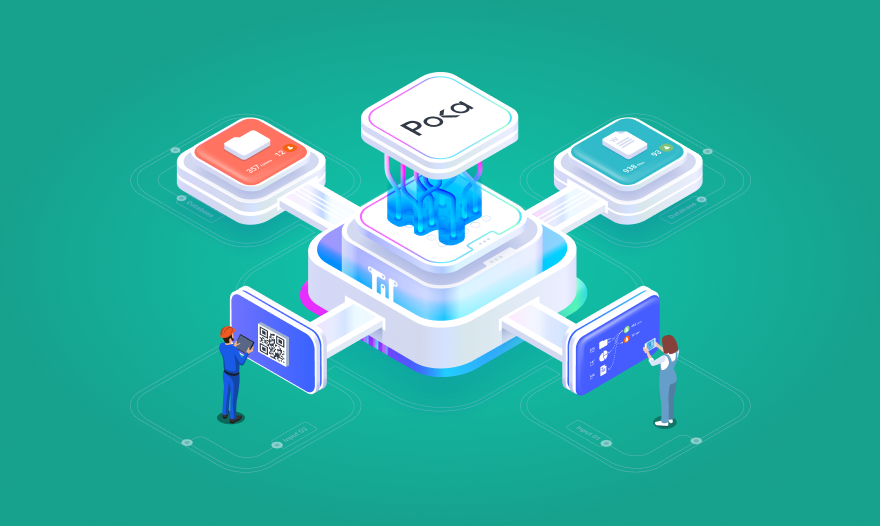
Artificial intelligence and big data are opening new doors for improving changeovers by making insights more accessible, decision-making faster and frontline teams more supported.
Poka leverages AI and analytics in ways that directly benefit connected workers and operational leaders. Generative AI co-pilot features act as intelligent assistants, helping operators and supervisors during changeovers by delivering contextual answers, clarifying work instructions and surfacing relevant procedures instantly within the platform. This reduces the cognitive load on workers, improves first-time-right execution and ensures consistency across teams and shifts.
Complementing this, Poka Analytics provides powerful, actionable insights from the data already being captured during daily operations. Through pre-built dashboards, users at every level – from operators to CI leaders – can quickly spot issues, track key performance indicators (KPIs) and monitor workforce activity. These dashboards simplify the process of understanding what’s happening on the floor and where attention is needed most.
For deeper analysis, custom dashboards allow users to slice and dice data to match specific business goals – whether that’s identifying skill gaps, measuring changeover duration trends or correlating recurring issues with procedural deviations. These tools break down traditional data silos and support data-driven continuous improvement initiatives.
Together, these AI-enabled and analytics-driven capabilities equip manufacturers with the insights and guidance needed to make every changeover more efficient, consistent and aligned with best practices.
Benefits of Going Digital with Changeovers Using Poka
By adopting Poka’s connected worker platform for product changeovers, manufacturers can benefit from measurable improvements in:
- Overall Equipment Effectiveness (OEE)
- Changeover speed and accuracy
- Workforce engagement and autonomy
- Product quality and consistency
- Paperless compliance and audit readiness
- Cross-functional collaboration
Companies that implement digital solutions like Poka’s platform see these benefits, which contribute directly to your ability to respond faster to market needs, reduce waste and boost workforce productivity.
Aligning with Industry 4.0 and Industry 5.0 Standards
As manufacturers evolve from Industry 4.0 (automation and data exchange) to Industry 5.0 (collaborative intelligence), human-centric digital tools are essential. Poka enables this transition by blending frontline expertise with smart systems—turning changeovers into a strategic advantage. These standards are being adopted across multiple industries and various industries, demonstrating their versatility and impact in fields such as manufacturing, healthcare and electronics.
- Industry 4.0: Focused on automation and data – leveraging real-time data, paperless systems, digital SOPs and advanced technologies like machine learning to drive quality assurance and operational efficiency.
- Industry 5.0: Focused on human-centric collaboration, empowering workers with intuitive tools, knowledge access, personalized training and integrating machine learning for smarter, more adaptive processes.
Poka ensures that people remain at the center of smart manufacturing, supporting the adoption of these standards across industries.
Future-Proof Your Changeover Process with Poka
If your product changeovers still rely on paper forms, verbal instructions or inconsistent training, now is the time to modernize. Outdated procedures should be replaced and new procedures should be created to ensure consistency and effectiveness. Developing a new SOP is a crucial part of this modernization process, helping your organization implement structured, up-to-date practices. Poka gives you the tools to optimize changeovers from every angle: process, training, execution and insight.
With Poka, your factory becomes:
- More agile and efficient
- Better standardized across shifts and sites
- Aligned with smart manufacturing best practices
- Empowered with connected worker tools
Book a Demo and See Poka in Action
Ready to see how Poka can transform your product changeover process?
Book a demo today and discover how Poka helps manufacturers reduce downtime, eliminate tribal knowledge and build a truly connected, paperless factory.
FAQs About Product Changeovers
A product changeover is the process of switching production from one product to another, including adjustments to tooling, equipment and settings.
Digital SOPs ensure standardized, clear and accessible instructions – reducing errors and downtime during changeovers.
Poka provides digital checklists, real-time data and training tools that help operators execute changeovers quickly and accurately.
Proper training linked to SOPs ensures operators are skilled and confident, minimizing mistakes and delays.
They promote smart, human-centric manufacturing with advanced technologies and collaboration, enhancing flexibility and quality during changeovers.