






Published on May 28, 2025
Explore the risks of tribal knowledge and how digital tools like Poka help capture and standardize it.

Key Takeaways
- Tribal knowledge refers to the unwritten, experience-based know-how that resides in the minds of seasoned employees. While valuable, when left undocumented it poses risks such as inconsistent training, quality control issues and knowledge loss.
- Converting tribal knowledge into standardized SOP documents and digital work instructions ensures consistency, efficiency and proper onboarding.
- A centralized knowledge base and connected worker platforms like Poka streamline communication and provide employees with real-time access to relevant information.
- Digital SOPs and step-by-step instructions help train employees effectively, reduce downtime and enhance customer experience across various industries.
- Continuous improvement and version control of SOPs support organizations in maintaining up-to-date procedures and overcoming challenges caused by reliance on tribal knowledge.
In manufacturing, efficiency, consistency and quality are the backbone of success. Different companies handle tribal knowledge differently, tailoring their approaches to their specific needs and products. However, an often overlooked challenge can undermine these core objectives: tribal knowledge.
This informal, undocumented knowledge is passed down through experience, not written down or formalized. While it can be helpful in the short term, over time, the reliance on tribal knowledge becomes a hidden risk. It can cause operational inefficiencies, disrupt workflows and reduce consistency. In this post, we will explore the hidden dangers of tribal knowledge, how it impacts manufacturing operations and how leveraging connected worker platforms like Poka helps eliminate its risks.
By embedding standardized knowledge and training into daily management practices—such as shift handovers, tier meetings and performance reviews—manufacturers can ensure that critical know-how is shared consistently, reducing dependence on tribal knowledge and improving operational reliability.
What is Tribal Knowledge?
Tribal knowledge refers to the collective knowledge and expertise that is unique to a particular organization or team. It encompasses the unwritten rules, procedures and best practices that are passed down through word of mouth, observation and hands-on experience. While this type of knowledge can be incredibly valuable, it is often difficult to document and can be lost when employees leave the organization.
Understanding Tribal knowledge and Its Implications
Tribal knowledge can be both a blessing and a curse. On one hand, it allows teams to work efficiently and effectively, as they have a deep understanding of the processes and procedures that have been developed over time. This deep-seated knowledge helps in maintaining smooth operations and achieving high levels of performance.
On the other hand, too much reliance on tribal knowledge can make it difficult for new employees to get up to speed, as they may not have access to the same level of knowledge and expertise as their more experienced colleagues. This gap can lead to inconsistencies and errors – impacting overall efficiency and quality.
Operational Risks of Relying on Tribal Knowledge
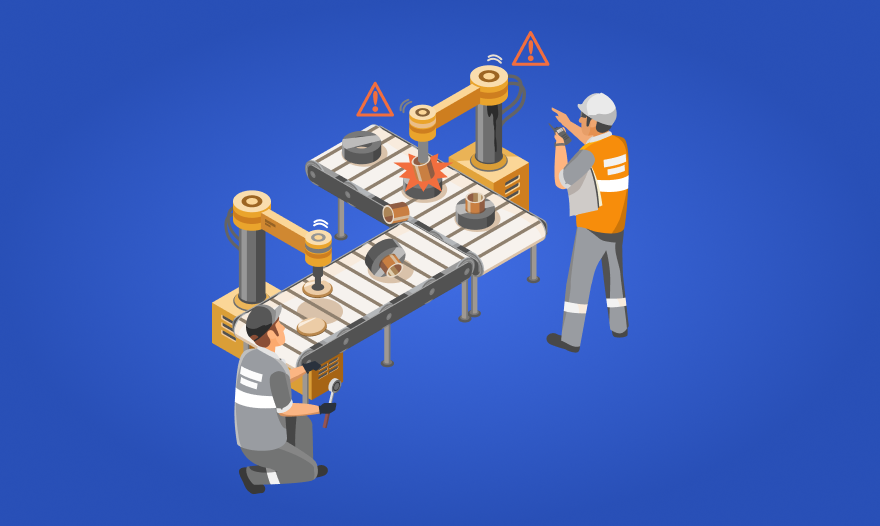
Relying on tribal knowledge creates several operational risks:
- Inconsistent Training: Without a standardized process, workers rely on informal, on-the-job learning, which can result in inconsistencies across teams and shifts.
- Quality Control Issues: With knowledge confined to specific individuals, quality control suffers when those individuals are unavailable or when new workers are left without clear, documented procedures.
- Loss of Knowledge: When employees with critical tribal knowledge leave or move to other roles, the organization risks losing valuable insights that aren’t documented.
- Increased Downtime: Tribal knowledge is often not easily accessible, leading to delays when workers need to troubleshoot or solve problems.
Step-by-step instructions are crucial in reducing these operational risks by providing detailed guidance for performing tasks consistently and efficiently.
By adopting a connected worker platform like Poka, companies can ensure that all critical knowledge is digitized and standardized, eliminating the risk of relying on tribal knowledge and creating consistency across all workers.
The Importance of Documentation
Documentation is critical in capturing tribal knowledge and making it accessible to all employees. By documenting procedures, processes and best practices, organizations can ensure that knowledge is not lost when employees leave and that new employees can get up to speed quickly.
A knowledge base is an essential tool in documenting tribal knowledge, as it provides a centralized location for storing and accessing information. This ensures that all employees have access to the same valuable information, promoting consistency and reducing the risk of errors.
Why SOPs Matter: Standardizing Work Across Teams

What Are SOPs?
Standard Operating Procedures (SOPs) are the foundation of operational consistency. They formalize knowledge and best practices into clear, repeatable processes. Creating an effective standard operating procedure is crucial to simplify and clarify the steps required to complete specific tasks. However, when tribal knowledge is relied upon, SOPs may be incomplete, outdated or inaccessible to workers.
Standardizing Procedures to Capture Tribal Knowledge
By converting tribal knowledge into digital, standardized SOPs, manufacturers can reduce the inefficiencies caused by informal knowledge transfer. Digital SOPs, easily accessible through platforms like Poka, ensure that all workers are following the same steps and guidelines, improving quality and consistency.
Using a step-by-step format for SOPs is crucial as it allows for clear and straightforward instructions that can be easily followed by all employees.
Digital work instructions not only make it easier for workers to access standardized procedures, but they also ensure that SOPs are continuously updated in real-time. This makes it far easier to keep everyone on the same page – reducing the dependency on tribal knowledge and ensuring operational excellence.
Digital Work Instructions: Transforming SOPs into Real-Time, Accessible Tools
From Paper to Digital
In many organizations, SOPs exist on paper, which can easily become outdated or forgotten. With tribal knowledge often filling in the gaps, workers may not always have access to the latest procedures. This creates inconsistency and increases the risk of errors.
Addressing technical aspects in digital SOPs is crucial to ensure that both technical and non-technical problems are effectively managed.
With Poka’s digital work instructions, every employee has immediate access to real-time, up-to-date information right at their fingertips. This transforms SOPs from static documents into dynamic, living tools that help eliminate reliance on tribal knowledge.
The ability to quickly update work instructions means that companies can avoid using outdated tribal knowledge – ensuring that processes are always optimized and followed correctly.
Decision Trees and Problem-Solving
Decision trees are a useful tool in problem-solving, as they provide a step-by-step approach to resolving issues. By using decision trees, employees can quickly identify the root cause of a problem and take the necessary steps to resolve it. This approach can be particularly useful in a manufacturing plant, where unplanned downtime can have significant consequences.
A knowledge base can be used to store decision trees and other problem-solving tools, making it easier for employees to access the information they need to resolve issues quickly and efficiently. This not only minimizes downtime but also ensures that problems are addressed in a consistent and effective manner.
Upskilling the Workforce: Connecting SOPs with Skills Development
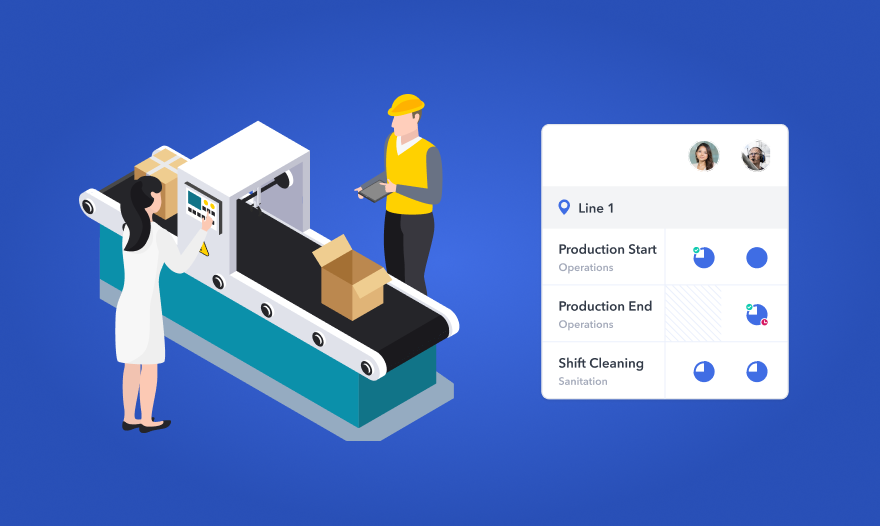
Tracking Competency and Eliminating Knowledge Gaps
One of the major risks of relying on tribal knowledge is that it leaves gaps in worker skills. Without documented processes, training becomes fragmented, and some workers may lack critical skills or knowledge. When this happens, the workforce becomes dependent on a few key individuals to fill those knowledge gaps.
Standard Operating Procedures (SOPs) are crucial in the training of new hires, ensuring consistency in their orientation and aligning their onboarding experiences with existing employee practices.
Poka’s platform helps track which workers are trained on specific SOPs and identifies areas where additional training is needed. By digitalizing knowledge and connecting SOPs with skill tracking, organizations can ensure that all workers are properly trained, eliminating the gaps created by tribal knowledge.
This approach not only enhances training but also ensures that workers can confidently perform tasks, knowing that they have access to the latest, most reliable information.
Giving Supervisors Visibility into Training and Performance
Tracking Tribal Knowledge Gaps
For supervisors, one of the biggest challenges is ensuring that workers are following SOPs correctly and are up-to-date with their training. Relying on tribal knowledge complicates this process, as it’s difficult to track and standardize informal knowledge across a team.
Training end users on SOPs is crucial to ensure that everyone understands and adheres to the new procedures effectively.
Poka provides supervisors with real-time visibility into who has completed which SOPs, allowing them to easily identify training gaps. This visibility ensures that employees are competent and confident in their work, removing the uncertainties created by tribal knowledge.
Avoiding Common SOP Mistakes and Gaps
Continuous Improvement
SOPs should be regularly updated to remain relevant, but when relying on tribal knowledge, this often doesn’t happen. Workers may follow outdated processes that were passed down informally – leading to inefficiencies or errors.
Continuous improvement plays a crucial role in improving efficiency by ensuring that processes are always optimized and up-to-date.
With Poka’s platform, SOPs are continuously updated based on the latest insights and best practices. This ensures that workers are always following the most effective methods and eliminates the gaps created by relying on outdated tribal knowledge.
Best Practices for Implementing Digital SOPs

Capturing and Digitizing Tribal Knowledge
The first step in eliminating the risks of tribal knowledge is identifying where it exists and converting it into standardized, digital SOPs. This process ensures that critical knowledge is captured and accessible to everyone, rather than being lost or siloed in specific individuals.
Version control is crucial in maintaining updated documentation, ensuring that all users have consistent access to the latest information and facilitating effective collaboration.
Poka’s platform makes this process seamless by allowing organizations to easily digitize their SOPs and create a central repository for knowledge that can be accessed by workers at any time. This reduces the risk of knowledge loss and ensures that tribal knowledge no longer controls the flow of information.
Conclusion: The Transition from Tribal Knowledge to Standardized Work
While tribal knowledge may have served its purpose in the past, modern manufacturing requires standardized work processes and easily accessible knowledge. By transitioning from informal tribal knowledge to formalized SOPs, manufacturers can ensure that their operations are more efficient, consistent and less prone to costly errors.
Standardized knowledge can significantly enhance customer satisfaction by improving internal processes and providing effective troubleshooting guides that empower customers to solve their own issues quickly.
Platforms like Poka help companies make this transition by digitizing and standardizing knowledge, ensuring that every worker, regardless of experience level has access to the same high-quality, up-to-date information. This move not only enhances performance but also reduces the risks associated with tribal knowledge.
Ready to eliminate the risks of tribal knowledge and boost operational efficiency?
Book a demo with Poka today to discover how our connected worker platform can help you standardize knowledge, improve training, and drive consistent results across your manufacturing operations.
FAQs on Tribal Knowledge
Tribal knowledge refers to the informal, undocumented information and expertise that employees accumulate through experience. It is often passed down verbally and can create risks if not properly documented.
Converting tribal knowledge into standardized SOP documents ensures consistency, reduces errors and improves training by providing explicit guidance and detailed instructions accessible to all employees.
Relying on tribal knowledge can lead to inconsistent employee training and skills gaps. Documented SOPs and digital work instructions provide a step-by-step list of tasks that help train employees effectively.
Organizations that depend on tribal knowledge risk quality control issues, knowledge loss when employees leave, increased downtime and operational inefficiencies due to lack of explicit guidance.
Connected worker platforms like Poka digitize and centralize tribal knowledge into a single platform, enabling real-time access to up-to-date SOPs, improving communication and supporting continuous improvement.