




Published on May 22, 2025
Improve manufacturing quality with a Connected Worker App. Streamline defect reporting and boost collaboration for better efficiency.
Key Takeaways
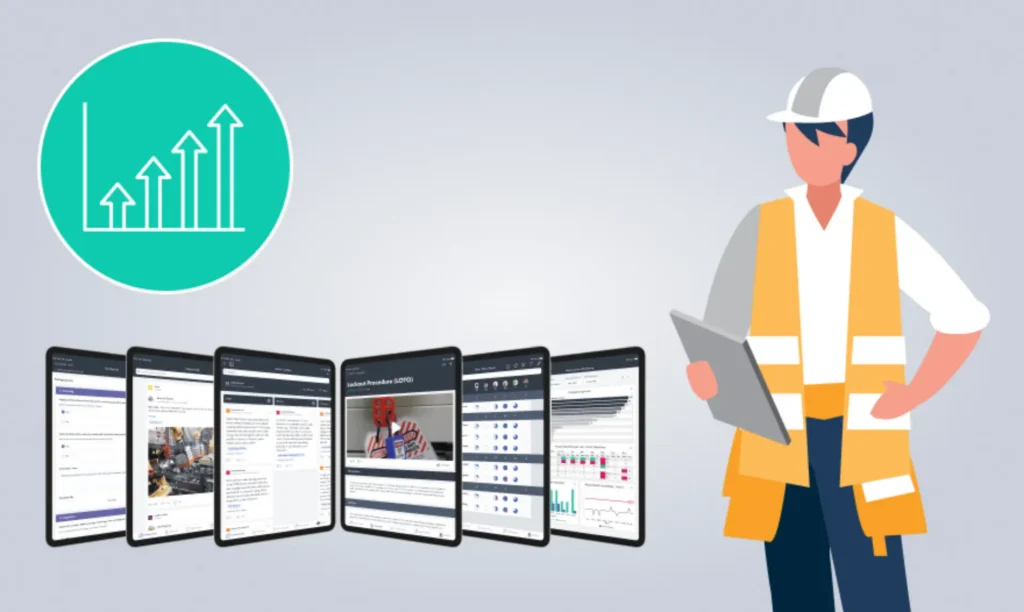
- Streamlined Quality Assurance: Connected Worker Apps enhance real-time defect reporting and resolution.
- Improved Communication: Facilitates better interactions between workers and supervisors for proactive quality management.
- Standardized Processes: Provides digital instructions to ensure consistency in manufacturing.
- Efficient Defect Reporting: Enables quick identification and resolution of quality issues.
- Continuous Improvement: Fosters a culture of ongoing enhancement through real-time feedback.
- Centralized Training: Ensures workers have access to essential knowledge for maintaining quality.
In today’s competitive manufacturing landscape, the quality of products is not just a goal but a necessity for business success. High manufacturing quality secures customer loyalty and drives profitability. However, achieving this quality isn’t just about implementing layers of inspections; it’s about harnessing effective management principles and leveraging technological advancements. One way manufacturers can enhance their quality assurance processes is through the adoption of a Connected Worker App. This technology facilitates real-time defect reporting and provides various functionalities to accelerate issue identification and resolution, ultimately minimizing waste and rework. Emerging technologies like augmented reality are enhancing digital work instructions and manufacturing processes – positioning the future of industries as increasingly reliant on digital solutions. When integrated into daily management routines, these digital tools ensure that quality concerns are addressed in real time, reinforcing accountability and driving continuous improvement across all shifts.
Understanding the Importance of Manufacturing Quality
The Role of Quality in Manufacturing Success
Quality is at the core of any successful manufacturing operation. Producing high-quality products results in customer satisfaction, reduced returns and increased brand loyalty. In contrast, poor quality can lead to defective goods, increased operational costs and damage to a company’s reputation. Industry leaders like W. Edwards Deming, Joseph Juran and Philip Crosby have long advocated for processes that focus on preventing nonconformance rather than merely detecting it. They assert that companies play a crucial role in maintaining high standards in production to prevent defects, which leads to more efficient operations and ultimately better products.
The Challenges of Maintaining High Manufacturing Quality
While the importance of manufacturing quality is clear, many organizations struggle with it due to several prevalent challenges:
- Inconsistent Training: Variability in worker training can lead to inconsistencies in performance. Workers may have different understandings of the standard procedures, which affects overall quality.
- Lack of Real-Time Information Access: In fast-paced environments, missing critical updates or specifications can compromise product quality. Workers need up-to-date information to perform their jobs effectively.
- Inefficient Communication: Poor communication between frontline workers and supervisors can result in errors, wasted time and increased downtime. Establishing a robust communication framework is essential for maintaining quality standards.
- Traditional System Limitations: Outdated systems often fail to keep workers connected to vital information, making it challenging to ensure consistent and predictable quality across shifts or locations.
Standardizing work processes to minimize errors and maintain consistent quality is crucial. Improving work processes through quality assurance can enhance both efficiency and customer confidence – thereby giving companies a competitive edge in their respective markets.
By equipping frontline workers with a Connected Worker App, manufacturers can effectively navigate these challenges and revolutionize their quality maintenance processes.
Leveraging a Connected Worker App to Enhance Quality
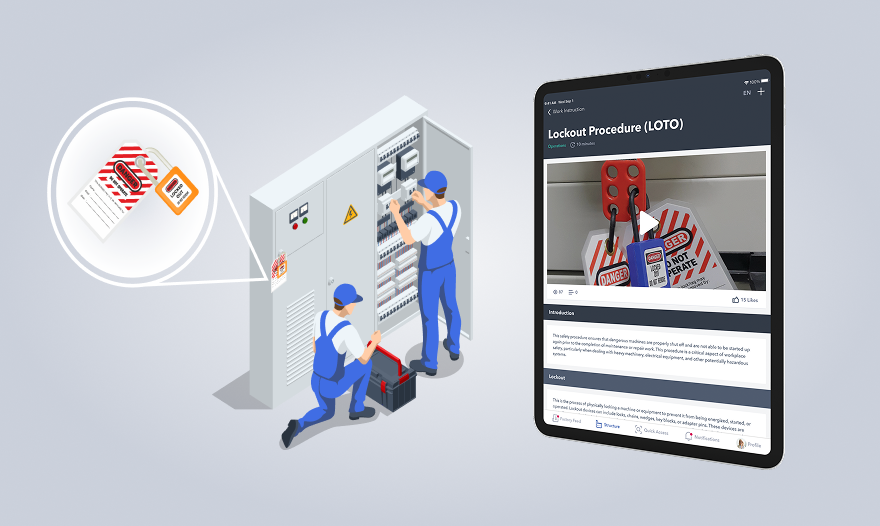
A Connected Worker App offers a transformative approach to quality management by digitizing and streamlining processes involved in production. These apps improve workforce engagement, facilitate real-time collaboration and empower workers with the tools they need to maintain and improve quality.
Key Functionalities of a Connected Worker App
- Digital Work Instructions: Providing workers with instant access to standardized digital work instructions helps ensure that manufacturing processes are carried out consistently and correctly. Understanding the user’s perspective and skill level in relation to the task at hand is crucial for enhancing task performance, efficiency and accuracy.
- Real-Time Collaboration Tools: These tools enable immediate communication between frontline workers and supervisors, allowing them to discuss issues as they arise and fostering a proactive quality culture.
- Defect Reporting Mechanisms: A Connected Worker App simplifies defect reporting. Workers can log issues in real-time, ensuring that problems are addressed promptly and effectively.
- Access to Diagnostic Tools: Workers can access troubleshooting guides and diagnostic tools directly from the app, facilitating quicker issue resolution and reducing downtime.
Understanding Quality Management in Manufacturing
The realm of quality management in manufacturing encompasses two key components: Quality Control (QC) and Quality Assurance (QA). Both elements play crucial roles in ensuring that products meet customer expectations and regulatory standards.
Quality Control (QC)
Quality Control is focused on measuring a product’s conformance to specifications, typically applied during or after the manufacturing process. QC activities involve:
- Dimensional Measurement: Checking the physical dimensions of products to ensure they meet specifications.
- Visual Inspection: Assessing products for visible defects.
- Testing: Conducting tests to verify that products perform as intended.
- Calibration: Ensuring that measurement instruments are accurately calibrated.
Effective inspections of the finished product are crucial for ensuring safety and compliance with specifications. Verifying product quality at the final stage of production helps to identify any issues before the product reaches the consumer.
While QC is essential, it often reacts to problems that have already occurred rather than preventing them. This is where Quality Assurance becomes vital.
Quality Assurance (QA)
Quality Assurance is a proactive approach that aims to prevent defects by establishing a comprehensive Quality Management System (QMS). A robust QMS includes procedures for aspects that impact product quality, such as:
- Reviewing and verifying design and order requirements.
- Purchasing high-quality materials.
- Training frontline workers and management.
- Document control and regular auditing of quality processes.
Ensuring quality through structured approaches like Total Quality Management (TQM) and quality assurance processes is crucial. These methodologies focus on integrating quality into company culture, training staff and implementing proactive measures to prevent defects – ultimately aiming for consistency in product development and manufacturing.
Standards such as ISO 9001 set the benchmarks for what a quality system must include and many manufacturers adopt these standards as guidelines for their quality assurance practices.
Implementing Quality Control Methods
Implementing quality control methods is crucial in manufacturing processes to prevent defective products and ensure customer satisfaction. Quality control methods, such as inspection and testing, help identify defects and irregularities in the production process. By implementing these methods, manufacturers can reduce the risk of defective products, improve product quality and increase customer trust. Additionally, quality control methods can help manufacturers collect data on production processes, identify areas for improvement and make informed decisions to optimize their manufacturing processes.
Key Connected Worker Use Cases for Improving Quality in Manufacturing

As organizations begin to implement Connected Worker Apps, various practical use cases emerge that illustrate how these tools can enhance manufacturing quality and reduce defects.
Digital Gemba Walks
A Digital Gemba Walk is a structured process where managers visit the production line to identify improvement opportunities. Conducting Gemba walks using a Connected Worker App standardizes scheduling, provides access to digital forms and checklists and ensures tasks are performed to standard. This approach not only fosters collaboration but also brings visibility to the improvement efforts on the shop floor, driving continuous improvement. Utilizing analytics to assess the impact of instructions on performance metrics such as completion times and error rates further enhances task efficiency and quality.
5 Whys
The 5 Whys method is a problem-solving technique that helps uncover the root cause of issues by repeatedly asking “why” until the fundamental problem is identified. A Connected Worker App simplifies the execution of the 5 Whys process and captures responses efficiently – allowing teams to identify and resolve quality issues more quickly. Additionally, it helps analyze variances in product attributes to determine whether defects in sampled products are occurring randomly or are indicative of systematic issues.
Process Monitoring
Consistent quality relies on ensuring that every manufacturing process is operating according to its design specifications. A Connected Worker App supports process monitoring by providing:
- Instant access to the most current versions of standardized digital work instructions.
- Digital quality checks using forms and checklists.
- Rapid collection and analysis of production data.
- Safety guidance to enhance workplace safety and improve overall efficiency.
- Understanding cycle times as a critical metric in auditing manufacturing processes and improving quality control.
Metal Detector Checks
In industries such as food and pharmaceuticals, metal detectors are critical in ensuring product safety. A Connected Worker App can facilitate and track the scheduling of periodic metal detector checks, ensuring compliance with safety standards and reducing the risk of product recalls. The quality control process is essential in ensuring that products meet specified requirements and are free from defects before they reach customers.
Defect Reporting
When defects are identified during production, immediate action is required. A Connected Worker App streamlines defect reporting processes, promptly notifying relevant teams to facilitate quick decisions regarding affected products and processes. This immediate capability supports rapid root cause identification and subsequent improvement efforts. Preventing defects is a proactive approach within quality assurance processes, which aim to refine manufacturing procedures and improve product development.
Quality Audits
Conducting quality audits is an essential component of the QA and QMS processes. A Connected Worker App ensures that audits are performed efficiently and timely, with instant access to results that allow for quick logging and addressing of discrepancies, maintaining compliance with quality standards.
Additionally, thorough documentation is crucial in ensuring sound manufacturing practices and maintaining quality standards throughout the production process.
The Connection Between Lean Manufacturing and Quality Control
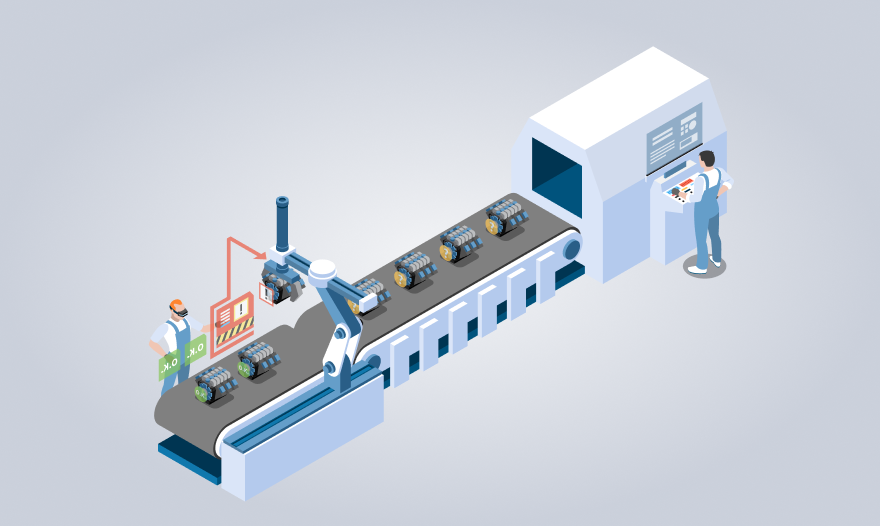
Lean manufacturing principles focus on maximizing value by minimizing waste. When integrated with effective quality management practices, they form a powerful strategy for improving operational efficiency.
Enhancing Production Line Efficiency
By leveraging a Connected Worker App, manufacturers can streamline their processes, reduce rework and improve overall production line efficiency. Real-time access to quality standards and digital work instructions helps workers perform their tasks correctly – reducing the likelihood of defects and waste.
Creating structured processes and environments that ensure high-quality outputs in quality control and operational settings is crucial for maintaining productivity and product quality.
Continuous Improvement
A culture of continuous improvement is fostered when workers are engaged in the quality management process. Tools like Connected Worker Apps enable real-time feedback and collaboration among employees – helping to identify improvements and implement them swiftly.
A dedicated team is crucial for implementing agile methodologies, ensuring software quality and effectively executing quality control processes to meet product standards.
Training for Manufacturing Workers Using a Connected Worker App
Training frontline workers is vital for maintaining high standards of quality. A Connected Worker App can play a significant role in training initiatives by ensuring that employees are equipped with the knowledge they need to perform their jobs effectively.
Ensuring Workers Are Equipped with the Right Knowledge
Having a centralized platform for training materials and instructions empowers workers by providing them with instant access to digital content. This ensures they are well-informed about current procedures, standards and quality expectations. Transitioning from traditional paper-based work instructions to digital formats helps to streamline operations and reduce the time required to train new employees, ensuring consistency and adherence to procedures.
Using AI in Manufacturing Quality Training
Incorporating AI-driven solutions into the Connected Worker App can personalize and enhance training experiences. AI can analyze worker performance and identify areas where additional training may be needed, allowing for targeted interventions that improve overall workforce competency.
Auditing processes is essential for identifying the best methods for quality production, helping quality managers gain a better understanding of the processes related to their machinery.
Measuring the Success of Connected Worker Apps
Measuring the success of connected worker apps is crucial in determining their effectiveness in improving manufacturing quality. Connected worker apps can provide real-time data and insights on production processes, enabling manufacturers to identify areas for improvement and make informed decisions. To measure the success of connected worker apps, manufacturers can track key performance indicators (KPIs) such as defect rate, production time and employee engagement. By analyzing these KPIs, manufacturers can determine the effectiveness of connected worker apps in improving product quality, reducing defects and increasing productivity. Furthermore, manufacturers can use the data collected from connected worker apps to identify areas for improvement, implement process changes and optimize their manufacturing processes to ensure high-quality products and customer satisfaction.
Conclusion: Driving Manufacturing Quality Forward
As manufacturers face increasing pressure to maintain high-quality standards, adopting solutions like a Connected Worker App offers a pathway to transforming quality management processes. These tools empower frontline workers with real-time information and resources, promoting collaboration and fostering a culture of continuous improvement.
Implementing a Connected Worker App can lead to enhanced defect prevention efforts, better compliance with quality standards and ultimately superior products that meet customer expectations. For any organization looking to elevate its manufacturing quality and operational excellence, exploring the benefits of this technology is a crucial step forward.
If your organization could benefit from enhanced defect prevention efforts, consider integrating a Connected Worker App like Poka to take your manufacturing quality to the next level. Explore how this innovative tool can help streamline your processes, improve quality standards, and drive long-term success in an increasingly competitive market.
Ready to Future-Proof Your Workforce?
See how Poka can help your business improve manufacturing quality, provide actionable insights and empower your workforce. Request a demo today.
FAQs on Connected Worker Apps in Manufacturing Quality
These apps facilitate real-time collaboration between frontline workers and supervisors, enabling immediate discussion and resolution of quality issues as they arise.
Digital work instructions standardize processes, ensuring consistency and accuracy in manufacturing tasks, which helps in maintaining high product quality.
By providing real-time feedback and data, these apps help identify areas for improvement, fostering a culture of ongoing enhancement in manufacturing processes.
AI can personalize training experiences, analyze worker performance, and identify areas needing additional training, improving overall workforce competency.
These apps ensure that audits are performed efficiently with instant access to results, allowing for quick logging and addressing of discrepancies to maintain compliance with quality standards.