





Published on November 27, 2024
Discover key criteria for selecting the best connected worker app for smart factory success.
Understanding the Importance of Connected Worker Apps in Modern Manufacturing
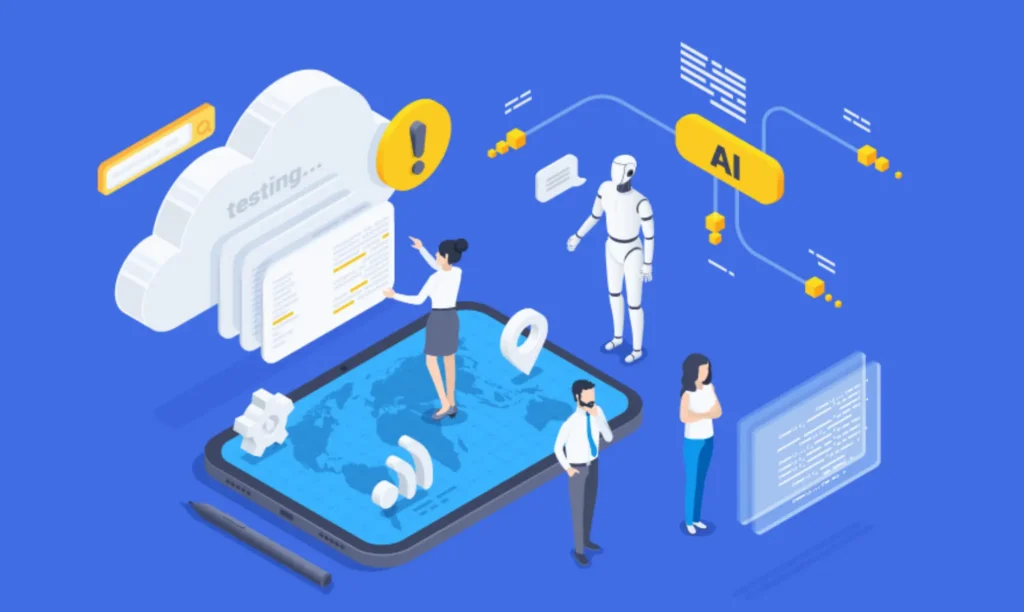
In today’s competitive landscape, selecting the right connected worker platform is more than just a technology upgrade; it’s a strategic decision that can significantly improve operational efficiency, streamline workforce collaboration, and ultimately enhance your bottom line. The right connected worker solution empowers your workforce with essential digital tools that improve productivity, safety and communication across all operations, paving the way for smart factories.
But how do you choose the right connected worker app for your organization? This comprehensive guide will walk you through key considerations for selecting the right solution tailored to your business needs and long-term goals in the context of digital transformation and the evolving landscape of human-centric manufacturing.
1. Conduct a Comprehensive Needs Assessment
Before diving into vendor evaluations, it’s crucial to understand your operational challenges and goals. Here are some essential questions to guide your needs assessment:
What operational challenges are you facing?
Identifying the key pain points in your manufacturing process is crucial. For example, are you experiencing skills gaps in manufacturing or inefficient communication among teams? Some common challenges you might encounter could include:
- Inefficient Communication: Poor communication can lead to workflow disruptions and mistakes that affect overall productivity.
- Training Gaps: A lack of adequate training contributes to operational errors and increased safety risks, highlighting the need for continuous learning.
- Frequent Machine Downtime: Unplanned downtime can severely impact production schedules and customer satisfaction.
Understanding these challenges allows you to focus your attention on essential features that can effectively address them, ensuring better alignment with your operational needs.
What features are essential for your workforce?
Prioritize features that are crucial for overcoming your operational challenges. Some key features to consider for a connected worker platform may include:
- Real-Time Communication Tools: Company-wide posts and notifications can bridge communication gaps on the shop floor.
- Mobile Accessibility: The ability to access the app via mobile devices ensures your workforce can retrieve information anytime and anywhere.
- Enterprise Readiness: Ensure the solution supports complex workflows and can handle multiple user roles effectively.
- Integration with Existing Systems: The ability to connect seamlessly with your existing ERP or MES systems will provide better data continuity and visibility.
Who will use the solution?
Consider the diverse needs of your workforce, including operators, supervisors, and maintenance teams. Your chosen solution should cater to all user levels. Different user roles may have varied requirements, so it’s essential that the application can provide a tailored experience for each group while improving overall efficiency.
How will your needs evolve?
Manufacturing environments are dynamic and evolving rapidly due to advancements in technology. Ensure that your connected worker solution can grow with you by offering advanced functionalities to support future use cases, such as Augmented Reality (AR). Leveraging AR can enhance training in smart factories, allowing for interactive and engaging methods to bridge the skills gap in manufacturing.
A forward-thinking connected worker platform should be adaptable to change and ready to embrace new technology.
2. Vendor Evaluation: Key Criteria for Choosing the Right Connected Worker App
Once you understand your organization’s needs, it’s time to evaluate potential vendors. Here are crucial factors to consider:
Experience and Expertise
Choose a vendor with a proven track record in the manufacturing industry. A company specializing in connected worker solutions will have a better understanding of your unique challenges and can offer valuable insights for success. The vendor should also demonstrate experience in facilitating digital transformation initiatives in manufacturing environments.
Support and Training
Successful implementation hinges on strong vendor support and comprehensive training resources. Ensure your vendor provides:
- Hands-on Assistance: Support during the deployment phase can prevent common implementation pitfalls.
- Ongoing Support Programs: Look for vendors that provide comprehensive training that encourages continuous learning among your workforce, ensuring proficiency in using the connected worker app.
Scalability
Your connected worker app should be designed to scale as your organization grows. Confirm that the platform can expand across lines, plants and global enterprises without sacrificing performance. A flexible data structure that mirrors manufacturing operations is essential, along with customizable global/local configurations to ensure adaptability.
3. Prioritize Security and Compliance
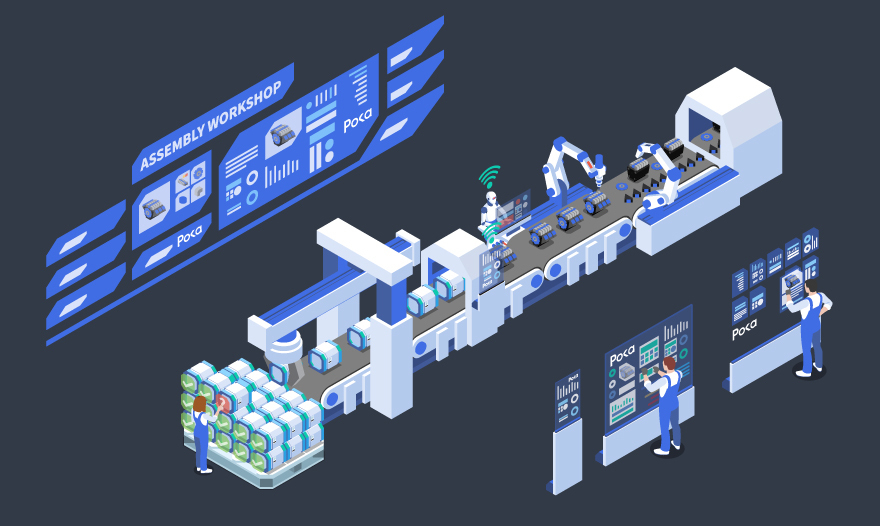
As you digitize your operations, safeguarding your data becomes paramount. Here’s what to consider when evaluating security and compliance:
Data Security
Ensure the vendor adheres to stringent security standards, such as SOC 2 Type 2 certification, and offers features like:
- Encryption: Protecting data in transit and at rest is paramount for maintaining operational integrity.
- Access Controls: Ensure there are fine-grained access controls to limit who can view or modify sensitive information.
- Regular Security Audits: Confirm that the vendor conducts routine security audits to identify and mitigate potential vulnerabilities.
Regulatory Compliance
Manufacturers in regulated industries, such as food production and pharmaceuticals, must comply with strict regulations. Confirm that the solution aligns with your industry’s compliance requirements, ensuring peace of mind and minimizing risks from audits.
4. Built for Enterprise: The “-ilities” That Matter
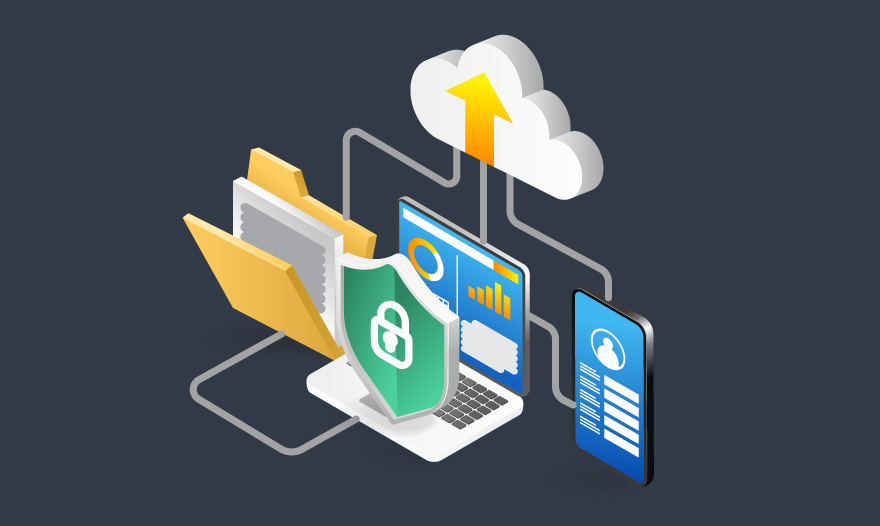
Enterprise readiness is critical for ensuring that your connected worker app can handle large-scale operations. Look for these vital factors:
Share-ability
A connected worker solution should enable easy sharing of best practices, standard work procedures, and real-time updates across multiple locations, departments, and even languages. This ensures consistency and quality throughout your global operations – hallmarks of smart factories.
Reliability
Choose a solution that demonstrates high reliability and minimal downtime. Your connected worker platform should provide uninterrupted service to support daily activities, contributing to overall operational efficiency. Inquiring about the vendor’s uptime guarantees and historical performance metrics.
Interoperability
The solution must integrate easily with your existing systems and software, such as ERP, MES, and other manufacturing applications. This level of integration enhances operational efficiency, reduces errors, and improves data visibility across your organization. A successful connected worker app should seamlessly pull and push data across systems, ensuring decision-makers always have access to real-time insights.
5. Leverage Emerging Technologies
Connected worker platforms are increasingly integrating cutting-edge technologies to enhance user experience and productivity. Emerging technologies such as:
- Augmented Reality (AR): AR can provide real-time visual guidance for operators, enhancing training and operational efficiency in smart factories.
- Artificial Intelligence (AI): AI can analyze real-time data to improve decision-making processes, predictive maintenance, and streamline workflows.
By adopting solutions that integrate these innovations, you can future-proof your operations and stay ahead of technological advancements in manufacturing.
6. Assess User Experience and Design
User experience (UX) plays a critical role in the adoption and success of any connected worker app. A well-designed interface can lead to quicker onboarding and increased productivity. Here’s what to focus on:
Intuitive Design
A connected worker app should have an intuitive and user-friendly interface. It’s important that employees can easily navigate the app without extensive training. Conduct usability tests to gather feedback from actual users to foster a user-centric design.
Mobile Responsiveness
Given that many workers on the shop floor rely on mobile devices, ensuring that the app is fully responsive on different screen sizes and devices is crucial. Employees should have easy access to essential information at their fingertips, regardless of their location. Extra points if it is available across Android, iOS and web-based platforms, like Poka.
Customization Options
The ability to customize dashboards and notifications according to user preferences can enhance the effectiveness of your use cases. This personalization leads to better solutions for your unique issues.
Conclusion: Making the Right Choice for Long-Term Success
Choosing the right connected worker app is an investment in the future of your manufacturing operations. By conducting a thorough needs assessment, evaluating vendors based on key criteria like security, scalability, user experience, and enterprise readiness, and considering long-term adaptability, you can ensure that the solution you select will deliver both immediate benefits and sustained success.
Discover how Poka’s connected worker platform can enhance efficiency, bridge the skills gap in manufacturing and foster a culture of continuous learning within your workforce. Book a demo and take the first step toward empowering your team and optimizing your operations for a smarter, more collaborative manufacturing environment.