



Published on April 28, 2025
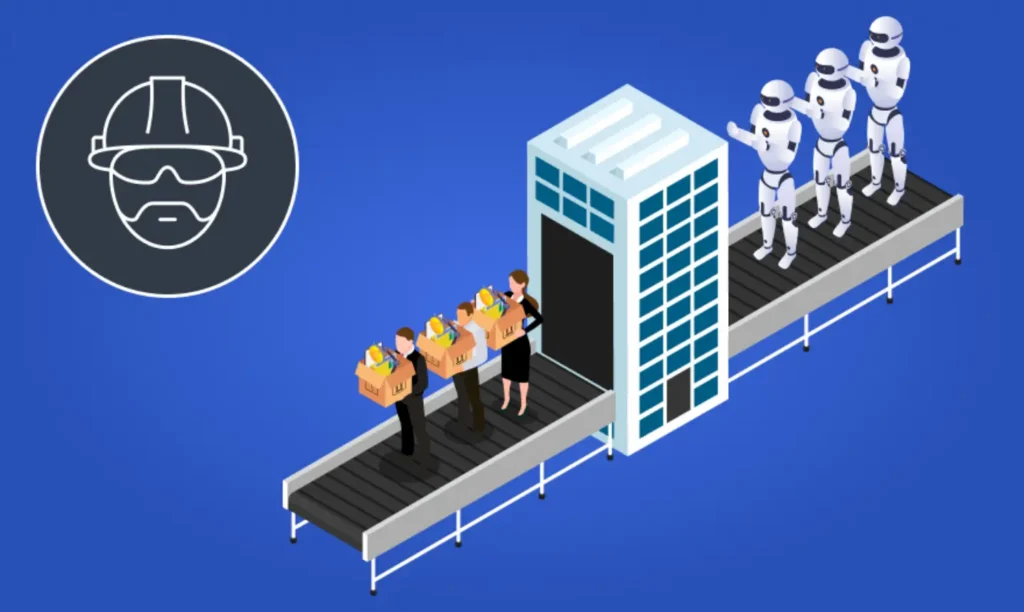
2025 manufacturing faces a workforce crisis, with 2M jobs at risk by 2033. Get key insights.
Key Takeaways for Bridging the Manufacturing Skills Gap in 2025
- 1.9M jobs at risk: The skills gap is widening as retirements outpace new hires.
- New skills required: AI and automation demand upskilling and reskilling.
- Digital transformation is key: Connected worker solutions accelerate training.
- Manufacturers are acting: Apprenticeships, skills-based hiring and AI-driven learning. Manufacturing companies are leveraging connected worker platforms to enhance job satisfaction and employee retention.
- Poka helps close the gap: Faster onboarding, knowledge capture and real-time support.
Introduction: The Manufacturing Workforce in 2025
The manufacturing industry stands at a crossroads in 2025. While demand for industrial production remains strong, manufacturers are struggling to find skilled workers to fill critical roles. A growing skills gap is making it difficult to sustain productivity and efficiency. According to industry projections, nearly 1.9 million jobs in manufacturing may go unfilled by 2033 due to a lack of qualified workers.
This workforce crisis is not just about numbers—it’s about knowledge. As experienced workers retire, their expertise is often lost. At the same time, younger generations are less inclined to pursue careers in manufacturing, and those who do enter the industry often require extensive training in new technologies.
To secure the future of manufacturing, businesses must take proactive steps in workforce development by investing in connected worker solutions that improve training, upskilling and knowledge-sharing. Effective workforce planning, combined with a connected workforce, not only enhances real-time access to data but also streamlines training and operational efficiencies.
Connecting workers facilitates digital transformation and improves processes, thereby breaking down information silos and fostering a cohesive, responsive workforce, ultimately positioning companies to thrive in a competitive landscape.
What’s Causing the Workforce Shortage in 2025?
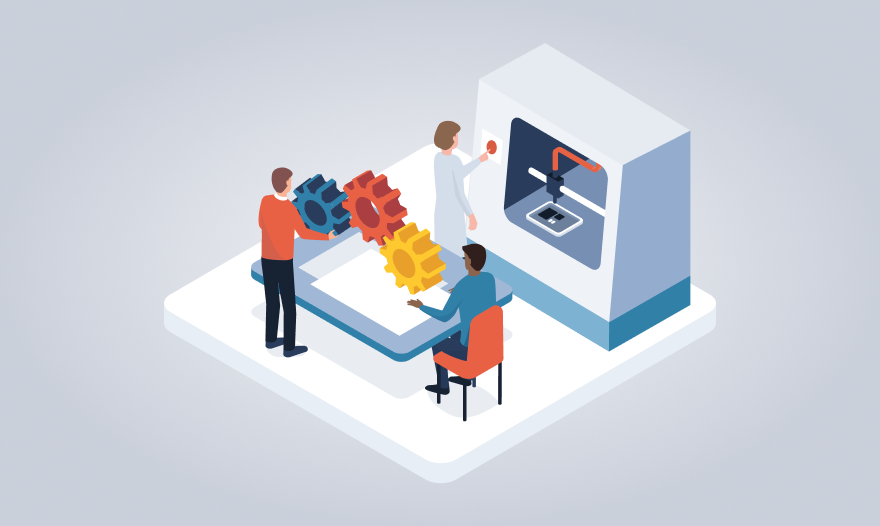
Manufacturing’s workforce challenges are driven by multiple factors: an aging workforce, a lack of interest among younger generations and the rapid pace of technological change. Companies are struggling to find workers with the necessary skills to operate advanced machinery and systems.
Additionally, the industry’s reputation for being physically demanding and potentially hazardous deters many potential employees. By addressing these issues, companies can create a more attractive work environment and reduce operational risks. Emphasizing worker safety through real-time monitoring and alerts not only ensures a secure working environment but also plays a crucial role in attracting and retaining skilled workers.
1. High Retirement Rates and Knowledge Loss
The manufacturing industry has an aging workforce. As experienced workers retire, they take decades of hands-on knowledge with them. Without proper knowledge-capture solutions, manufacturers lose valuable expertise – leading to inefficiencies and a decline in production quality. Effective knowledge transfer is essential to mitigate these losses – impacting quality assurance and production quality.
2. Fewer Young Workers Entering Manufacturing
Younger generations often perceive manufacturing jobs as outdated or physically demanding. Despite advancements in automation, robotics and AI, the industry struggles with talent acquisition. Frontline workers play a crucial role in enhancing productivity and collaboration in modern manufacturing settings by utilizing real-time data and mobile tools.
3. The Growing Demand for Technical Skills
Modern manufacturing requires workers to have digital literacy and technical expertise to operate advanced machinery, manage data-driven workflows and collaborate using connected technologies. Traditional training methods are often too slow to keep up with evolving skills requirements.
Connected worker technologies ensure that workers can navigate complex tasks effectively, enabling successful digital transformation by maintaining proper connectivity among people, products and processes. This highlights the importance of technical training to keep the workforce adept with the latest technological advancements. Additionally, task management in connected worker platforms plays a crucial role in managing technical skills and workflows.
4. The Impact of Labor Shortages
Labor shortages are not just an HR challenge—they directly affect supply chain efficiency, operational costs and business competitiveness. With fewer skilled workers available, manufacturers struggle to meet demand, which leads to production delays and increased operational risks.
Implementing workforce optimization can help mitigate these issues by improving efficiency despite labor shortages. Connected worker technologies can enhance manufacturing systems by providing real-time data visibility and workflow optimization.
The Changing Nature of Work in Manufacturing in 2025
The manufacturing industry is undergoing a significant transformation, driven by technological advancements, changing workforce demographics, and shifting customer expectations. The traditional manufacturing model, which relied heavily on manual labor and linear production processes, is evolving into a more agile, flexible and connected approach. This shift is essential for achieving greater efficiency, productivity and innovation in the face of increasing global competition.
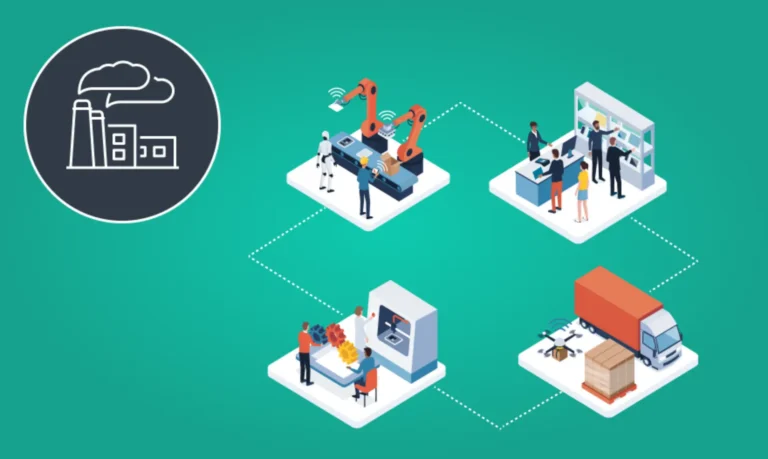
At the heart of this transformation is the connected worker. Empowered by digital technologies, connected workers can access and visualize knowledge, data and insights from people, products and processes across the organization. This connectivity breaks down traditional boundaries of time, space and expertise – enabling more effective collaboration with employees, suppliers and customers.
The changing nature of work in the manufacturing industry demands a new set of skills, competencies and mindsets. Workers must be proficient in digital technologies, capable of analyzing data and adept at making informed decisions. They also need to be flexible and adaptable to evolving production processes, workflows and customer requirements.
To thrive in this new environment, manufacturers must invest in comprehensive training and development programs that equip workers with the necessary skills and knowledge, fostering workforce agility.
2025 Workforce Strategies: How the Industry is Responding

To combat these workforce challenges, the manufacturing sector is implementing several strategies. Manufacturing companies are leveraging connected worker platforms to implement these strategies.
1. The Role of Digital Transformation in Workforce Development
Manufacturers are integrating a digital workforce, connected worker strategy, connected worker platforms, AI and real-time collaboration tools to streamline training, improve efficiency and enhance knowledge retention.
2. Augmented Lean in the Era of AI
Lean manufacturing principles are being augmented with AI-driven automation to enhance worker productivity. AI-powered insights help workers make data-driven decisions, improving efficiency without increasing complexity.
3. Reskilling and Upskilling Initiatives
As automation and AI reshape job roles, manufacturers are investing in reskilling programs to help existing employees transition into new, technology-driven roles. These initiatives emphasize the importance of continuous learning.
4. Partnering with Educational Institutions
Many manufacturers are working with technical schools, universities and trade programs to design curricula aligned with industry needs. These partnerships help train students in modern manufacturing skills before they enter the workforce.
5. Launching Apprenticeship Program
Apprenticeships are becoming a key solution for on-the-job training. By exposing young workers to real-world manufacturing environments, companies can develop a new generation of skilled employees.
6. The Push for Skills-Based Hiring
Rather than focusing solely on degrees and credentials, manufacturers are shifting toward skills-based hiring—evaluating candidates based on their competency in key manufacturing tasks rather than formal education.
The Role of Digital Technologies in Managing Workforce Changes
Digital technologies have revolutionized the manufacturing industry, transforming the way goods are produced and enabling companies to stay competitive in a rapidly changing market. The integration of digital technologies, such as connected worker solutions, has significantly improved manufacturing processes, increased efficiency and reduced costs.
Connected worker solutions empower employees by providing real-time access to data, digital work instructions and communication tools. This connectivity allows workers to make informed decisions quickly, troubleshoot issues on the fly and continuously improve their skills. By leveraging these technologies, manufacturers can streamline operations, enhance productivity and maintain high-quality standards. Additionally, digital technologies enhance quality assurance processes by minimizing human error and improving efficiency.
Moreover, digital technologies facilitate better collaboration across the organization. Workers can easily share knowledge, access critical information and coordinate with team members, suppliers and customers. This interconnectedness breaks down traditional silos, fostering a more agile and responsive manufacturing environment.
In essence, adopting a connected worker approach is not just about implementing new tools—it’s about transforming the entire manufacturing process to be more efficient, flexible and innovative. As the manufacturing industry continues to evolve, embracing digital technologies will be crucial for staying competitive and meeting the demands of the modern market.
What is a Connected Worker?
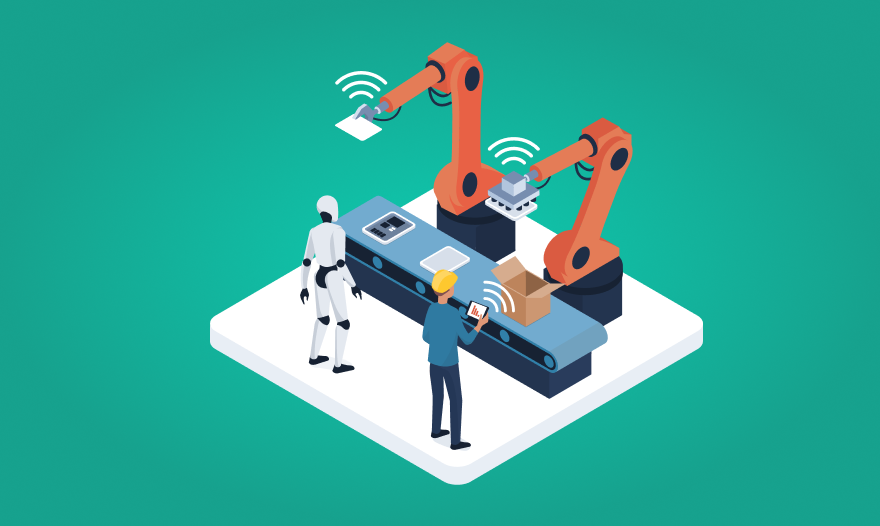
A connected worker is an individual in the manufacturing sector who leverages digital technologies to enhance their productivity, efficiency and collaboration. These workers are equipped with tools that allow them to access real-time data, communicate seamlessly with team members and make data-driven decisions. Connected workers are integral to modern manufacturing processes, as they bridge the gap between traditional manual labor and advanced digital operations. Frontline workers play a crucial role in leveraging these connected worker technologies to enhance productivity and efficiency.
Connected worker solutions empower employees by providing them with the information and insights they need to perform their tasks more effectively. This includes access to digital work instructions, real-time communication tools and knowledge-sharing platforms. By utilizing these technologies, connected workers can quickly adapt to new production processes, troubleshoot issues on the fly and continuously improve their skills.
The benefits of a connected worker approach are manifold. It leads to faster onboarding, improved operational efficiency and enhanced knowledge retention. Moreover, it fosters a more engaged and motivated workforce, as employees feel more supported and capable in their roles. In essence, the connected worker is a cornerstone of the digital transformation strategy in the manufacturing industry.
Why 2025 is the Year to Invest in Connected Worker Solutions
Traditional workforce development strategies are no longer enough. The digitalization of manufacturing training and operations is crucial for addressing the skills gap. Emphasizing worker safety, connected worker solutions implement real-time monitoring and alerts to ensure a secure working environment. Connected worker solutions offer several key benefits:
1. Digital Work Instructions for Faster Onboarding
- New workers can access step-by-step digital guides on how to complete tasks.
- Reduces training time and ensures standardized work procedures.
2. Skills Management for Continuous Workforce Development
- Tracks employee competencies, skills tracking and automates upskilling programs.
- Helps managers identify skill gaps and assign targeted training.
3. Real-Time Communication to Improve Efficiency
- Workers can collaborate instantly using digital tools like factory feed, reducing downtime.
- Teams can solve issues faster with real-time troubleshooting and knowledge-sharing.
4. Knowledge Capture to Retain Expertise
- Enables senior workers to document and share expertise with new employees, enhancing knowledge management.
- Reduces the impact of retirements on workforce knowledge.
5. Industrial AI to Support Manufacturing Teams
- AI can generate contextualized insights to help workers make better decisions.
- Smart AI features like Ask Poka ensure the right information is delivered to the right person at the right time.
How Manufacturers Are Using Connected Worker Apps to Close the Skills Gap
Companies around the world are already leveraging Poka’s connected worker platform to solve workforce development challenges. Here’s how Poka is making a difference:
1. Reducing Training Time
Kimberly-Clark reduced training time by enabling 90% faster access to procedures and improving training effectiveness across 10 sites using Poka’s digital work instructions.
2. Capturing and Retaining Knowledge
Bel Group standardized knowledge transfer across 26 factories by using Poka to digitize processes, cutting shadowing time by 66% and ensuring critical expertise is retained and easily shared with new hires.
3. Improving Efficiency and Collaboration
Huhtamaki used Poka to digitize training and enhance communication across factories, cutting training time by 25% and boosting employee satisfaction through improved collaboration and engagement.
4. The ROI of Connected Worker Solutions
Investing in digital workforce enablement has led to a significant return on investment with measurable improvements in:
- Training efficiency (faster onboarding and skills acquisition)
- Employee retention (workers feel more supported and engaged)
- Operational productivity (fewer errors, improved workflows)
Conclusion: Future-Proofing the Manufacturing Workforce
The manufacturing industry is at a turning point in 2025. The skills gap continues to widen but technology offers a clear path forward. By investing in AI-driven connected worker solutions, manufacturers can: Train workers faster and more effectively, retain critical knowledge before experienced employees retire, improve operational efficiency and productivity.
The future of manufacturing depends on digital transformation in workforce development. Companies that embrace connected worker solutions and optimize their manufacturing process will have a more resilient, skilled and engaged workforce—ready to tackle the challenges of 2025 and beyond.
Ready to Future-Proof Your Workforce?
See how Poka can help your business train, retain and empower your workforce with digital technology. Request a demo today.
FAQ: State of the Workforce in 2025
The workforce shortage in manufacturing is driven by an aging workforce, a lack of interest from younger generations, and the fast pace of technological change. The industry’s physically demanding and potentially hazardous nature also deters many from entering the field.
Manufacturing is evolving from a traditional, manual labor-based model to a more flexible, agile, and connected approach. This transformation is powered by digital technologies that enable workers to access real-time data and collaborate more effectively across teams and departments.
Manufacturers are adopting connected worker platforms to improve training, enhance productivity, and streamline operations. Strategies include digital workforce integration, AI-driven automation, reskilling initiatives, and partnerships with educational institutions to develop modern manufacturing skills.
Digital technologies, such as connected worker solutions, enhance real-time decision-making, improve communication, and foster better collaboration across teams. These technologies help minimize errors, improve efficiency, and streamline manufacturing processes, keeping companies competitive.
Investing in connected worker solutions allows manufacturers to address the skills gap, improve training efficiency, ensure worker safety with real-time monitoring, and enhance communication. These solutions also help in faster onboarding, continuous skill development, and greater workforce collaboration.