





Published on February 26, 2025
Enhance operational efficiency and foster collaboration through seamless manufacturing systems integration.
Introduction: Understanding the Cost of Disconnection in Manufacturing
In today’s digital landscape, the modern factory floor is becoming more interconnected than ever, largely influenced by the principles of Industry 4.0 and the imminent advancements of Industry 5.0. However, many manufacturers continue to grapple with fragmented systems that hinder manufacturing efficiency. Disconnected systems lead to inefficiencies, wasted time and poor decision-making – all of which significantly impact operational performance.
To thrive in this competitive environment, manufacturers must embrace the concept of a paperless factory and concentrate on breaking down silos within their operations. Seamless integration with complimentary business systems is no longer merely a “nice to have” but a necessity for manufacturers pursuing successful digital transformation. This article will delve into the hidden costs of disconnection, the critical importance of cross-functional collaboration and how cohesive manufacturing systems integrations enhance smart manufacturing practices, streamline workflows and ultimately improve operational efficiency.
The Major Impact of Data Silos on Manufacturing Efficiency
The Hidden Costs of Disconnected Systems
Disconnected systems often generate data silos that can have substantial implications for manufacturers. Essential business functions such as production, maintenance, quality assurance and manufacturing training typically operate in isolation from one another. This fragmentation obstructs organizations from achieving a unified and real-time perspective of their operations.
Consider a scenario in which a machine breakdown occurs within a manufacturing facility. In a connected manufacturing environment, maintenance alerts would be communicated to the production team in real-time, allowing for immediate action and remediation. However, in a disconnected setup, maintenance alerts might go unnoticed, resulting in unforeseen delays. This lack of effective communication fosters poor cross-functional collaboration and undermines productivity.
According to McKinsey, the absence of Industry 4.0 integration among manufacturing processes poses significant threats to operational performance, impacting everything from workflow optimization to compliance risks. The hidden costs stemming from data silos can be vast, including unplanned downtime, lost revenue and unmet customer expectations.
The Ripple Effect on Business Performance
The effects of data silos are not confined to operational inefficiencies alone; they also extend to overall business performance. Slow production cycles resultant from disjointed processes lead to increased operational costs and diminished customer satisfaction. Manual data entry not only increases the chances of errors, delays and auditability issues that can introduce compliance risks, but it also affects reporting accuracy and overall decision-making.
Moreover, the lack of real-time insights obstructs effective decision-making, critical for maximizing productivity and ensuring customer fulfillment. As organizations adopt advanced technologies and industrial automation, those unable to adapt will find it increasingly difficult to remain competitive. Thus, the effective management of manufacturing systems integration becomes essential to successful operational strategies, resulting in the deployment of workforce productivity tools that streamline operations.
The Transformation Toward a Fully Integrated Smart Factory
Embracing Industry 4.0 and 5.0: The Future of Manufacturing
Industry 4.0 has introduced a host of technological advancements within the manufacturing sector, such as the Internet of Things (IoT), big data analytics, and automation. These innovations lay the groundwork for establishing paperless factories and connected factories. Despite these advancements, many manufacturers struggle to effectively weave these solutions into cohesive operational frameworks.
The subsequent evolution—Industry 5.0—underscores the essential collaboration between humans and machines. This paradigm shift necessitates a seamless flow of information across all manufacturing systems to leverage cutting-edge technologies and maximize operational outcomes. The potential for enhancing smart manufacturing practices lies in the ability to facilitate a more collaborative and efficient work environment.
Visualizing a Fully Integrated Smart Factory
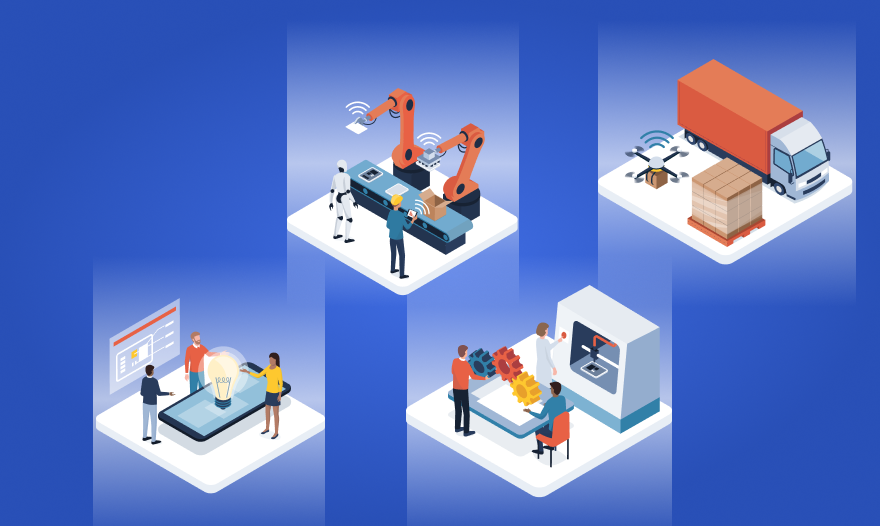
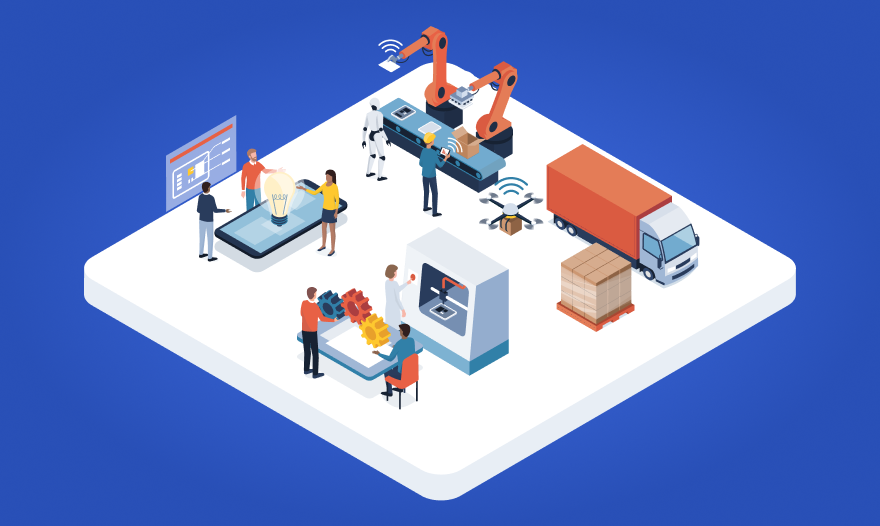
In a fully integrated smart factory, real-time data sharing is the standard. Machine data flows seamlessly to maintenance and production teams, allowing for rapid responses and optimal scheduling. For instance, AI-driven insights can significantly improve predictive maintenance, leading to better operational outcomes and higher productivity.
In addition, workplace safety training updates can synchronize instantly with HR and Learning Management Systems (LMS). Ensuring compliance and preparing employees for potential hazards becomes simpler when data is connected and readily accessible. This level of integration not only streamlines operations but also fosters an engaged workforce, paving the way for enhanced productivity.
According to McKinsey, AI-enabled productivity improvements could add up to $13 trillion to the global economy by 2030, helping businesses increase efficiency and create new opportunities. This aligns with the increasing trend of workplace AI adoption to unlock greater potential and efficiency.
Overcoming Integration Challenges in Manufacturing
Common Hurdles Manufacturers Face with Integration
Many manufacturers encounter significant hurdles when pursuing seamless integration. A common issue is the prevalence of legacy systems that were not developed to accommodate the demands of digital transformation in manufacturing. These outdated technologies often create barriers to effective communication and integration, preventing organizations from fully capitalizing on modern advancements.
Custom integrations can also pose challenges for manufacturers. These unique solutions can be time-consuming, costly and difficult to maintain, detracting valuable resources from core operational efforts. Additionally, a lack of sufficient IT resources may complicate the management of complex integration projects.
Key Principles for Developing a Successful Integration Strategy
To navigate these challenges successfully, manufacturers must focus on several core principles that are essential for effective integration:
- Interoperability: Choose systems designed for easy integration. This eliminates complications and promotes cross-functional collaboration among teams.
- Scalability: Ensure that your integrations work seamlessly across multiple plants and adapt to evolving business requirements.
- User-Friendliness: Opt for solutions that require minimal technical expertise, simplifying management for all teams involved.
The Critical Role of Integration Platforms in Modern Manufacturing
What is an iPaaS (Integration Platform as a Service)?
Integration Platform as a Service (iPaaS) solutions empower manufacturers to connect a variety of systems without the need for custom coding. These platforms provide pre-built connectors and automation tools, enabling centralized management of integrations. By streamlining these processes, iPaaS solutions allow manufacturers to focus on their core operations rather than grappling with technical complexities.
How Integration Platforms Address Common Manufacturing Challenges
Integration platforms effectively tackle many challenges that manufacturers face, including:
- Eliminating Data Silos: Ensuring seamless communication between systems eliminates barriers and fosters collaboration.
- Automating Workflows: Automation significantly reduces manual tasks and errors, leading to increased efficiency.
- Real-Time Visibility: Gaining access to real-time data enables better decision-making and enhances overall operational performance.
Poka Automate: A Leading iPaaS Solution for the Manufacturing Sector
An Overview of Poka Automate
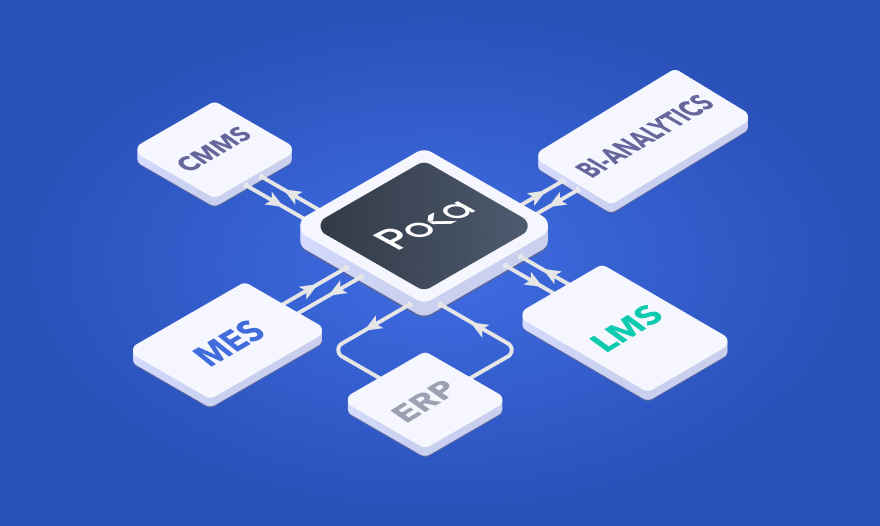
One example of an integration platform utilized in manufacturing is Poka Automate. This iPaaS solution, powered by Workato, offers a wide range of connectors for major software systems, including ERP, HR, and other commonly used business applications. With no-code automation tools, business users can easily create custom workflows, enhancing productivity and operational efficiency. While it supports various systems, it’s important to note that specific connectors for MES and CMMS, which are more specialized in the manufacturing industry, may not be available.
Why Choose Poka Automate?
Powered by Workato: Poka Automate is powered by Workato, the industry’s #1 iPaaS provider, featuring hundreds of pre-built connectors and automations designed to boost interconnectivity among data, applications and processes.
- User-Friendly Interface: The platform’s intuitive design enables non-technical users to navigate effortlessly, ensuring a seamless user experience.
- Empowered Administration: Poka admins can independently create and manage workflows – reducing reliance on IT and other teams for deployment and maintenance.
- Customizable Workflows: The platform allows businesses to adapt the solution to their unique needs while maintaining standardization, promoting a more efficient connected factory.
- Dedicated Support: Poka Integration Specialists provide full support for creating and troubleshooting workflows, ensuring users are never left to navigate challenges on their own.
By leveraging Poka Automate, manufacturers can ensure their operations are efficient and well-coordinated, ultimately driving operational efficiency.
The Future of Manufacturing: Why Integration is Essential for Success
As factories become increasingly interconnected, integration will act as the cornerstone for enhancing operational efficiency. Future trends in manufacturing include AI-powered automation, predictive analytics and hyper-connected supply chains. Manufacturers that prioritize integration will have a competitive advantage, resulting in increased agility, productivity and profitability.
Poka Integrations: Flexible Strategies for Modern Manufacturing
Poka Integrations offer flexible strategies to ensure interoperability across your IT stack. With solutions like Poka Automate, organizations can easily orchestrate their data, applications and processes – leading to enhanced manufacturing workflow optimization. Furthermore, Poka’s API and Data Lake capabilities streamline data flows for corporate reporting and advanced analytics.
Conclusion: The Importance of Seamless Integration in Manufacturing
In conclusion, the success of modern manufacturing hinges on seamless system integration. Manufacturers need to evaluate their current integration gaps to thrive in this rapidly changing environment. By adopting effective integration solutions, organizations can break down silos, enhance collaboration and create a more connected and efficient factory.
At this crucial juncture, manufacturers should assess their needs and explore solutions like Poka Automate. By doing so, they can facilitate digital transformation, optimize workflows and significantly enhance overall operational efficiency.
Are you ready to break down silos and enhance collaboration within your manufacturing processes? Discover how seamless manufacturing systems integrations can transform your operations into a fully connected factory. Book a demo today to learn how our innovative solutions can streamline your workflows, maximize operational efficiency, and position your organization for success in the era of Industry 5.0 and beyond.
Let us help you unlock the full potential of smart manufacturing and drive your business toward a more productive future!