






Published on August 29, 2025
Discover skills matrix management best practices to cut training costs, speed onboarding, boost OEE and build a connected, versatile workforce.
Key Takeaways
- A digital skills matrix provides real-time visibility into workforce skills, capabilities, training progress and competency gaps.
- Moving beyond spreadsheets streamlines compliance, standardization and onboarding.
- Automated exams, endorsements and training programs ensure competency validation at scale.
- Integration with LMS platforms reduces manual updates and ensures enterprise-wide training alignment.
- With centralized skills management, factories can lower training costs, boost OEE and retain talent by making processes more efficient.
Introduction: Why Skills Matrix Management Matters
In today’s competitive manufacturing environment, workforce skills are just as critical as machine uptime. The ability to track, develop, and validate competencies directly impacts safety, quality, productivity and employee retention.
Traditionally, factories have relied on Excel spreadsheets, paper logs, or standalone training records to manage employee skills. While this approach may have worked in the past, it’s increasingly unsustainable. Spreadsheets are error-prone, time-consuming to update and offer little real-time visibility. They don’t scale across plants or provide actionable insights for workforce development.
A digital skills matrix changes that. It is a centralized platform that gives managers and operators clear visibility into who is trained on what, where the gaps are, and how competencies align with production goals. A digital skills matrix also allows managers to track employee proficiency and competency levels across the organization, making it easier to assess skill gaps and plan targeted development. Platforms like Poka’s Skills Matrix Management bring automation, real-time updates and integration into the connected workforce ecosystem.
Skills management is more important than ever due to:
- Labor shortages and turnover: Faster onboarding is essential.
- Compliance pressures: Safety and quality certifications must be tracked and renewed without gaps.
- Industry 4.0 and 5.0 strategies: Building a connected, human-centered workforce requires smarter tools.
- Supporting effective workforce planning by aligning employee skills, proficiency and competency levels with operational needs.
The benefits are significant: reduced training costs, faster time to productivity, better coverage of skills across teams and stronger employee engagement.
Best Practices for Skills Matrix Management
1. Replace Spreadsheets with Real-Time Visibility
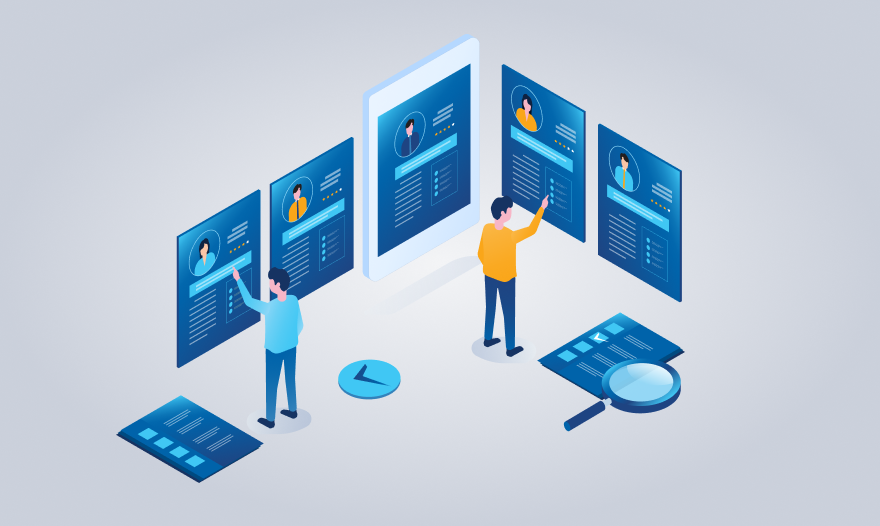
Managing skills in a spreadsheet often means managers only see part of the picture – and usually too late. By the time updates are entered, workforce assignments may have already shifted.
A digital skills matrix provides:
- Instant visibility into individual and team training coverage – helping managers allocate resources more effectively.
- Real-time updates when workers complete training or certifications – ensuring the right resource is assigned to each task or project.
- Audit readiness with records that are always up to date.
This transparency saves hours of manual work, reduces errors and ensures no one falls through the cracks.
2. Define Skills, Roles and Targets Clearly
Ambiguity around training requirements leads to uneven performance across shifts and sites. Best practices include:
- Defining role-specific skills required for onboarding.
- Establishing clear progression pathways, encouraging workers to upskill and grow.
- Setting measurable competency targets (e.g., Level 1 beginner → Level 3 advanced) including defining competency levels and proficiency standards for each role.
When workers know what’s expected and see how they can advance, engagement and retention improve. Managers also gain a structured way to assess workforce readiness by regularly evaluating employees skills to ensure alignment with defined competency levels.
3. Automate Tracking and Validation
One of the biggest risks in traditional skills management is the assumption that “training completed” equals “competency achieved.” Without validation, errors and safety incidents are more likely.
With a digital platform:
- Exams can automatically test knowledge retention – scoring responses instantly.
- Trainer endorsements verify on-the-job performance.
- Management approvals ensure final competency validation.
- Automated reminders keep certifications current – avoiding compliance risks.
This layered approach ensures skills aren’t just recorded – they’re verified.
4. Workforce Skills Analysis
A comprehensive workforce skills analysis is the foundation of an effective skills matrix. This process begins by identifying all the skills required for each role within your organization, then assessing the current skill levels of individual employees. By mapping out workforce skills in detail, organizations can clearly see where skills gaps exist and which areas require immediate attention.
A detailed skills matrix enables team leaders to make data-driven decisions about workforce development and training programs. With this visibility, you can prioritize targeted training to address specific gaps, ensuring employees have the necessary skills to complete tasks efficiently and safely. This approach not only supports better training outcomes but also boosts employee engagement as team members see a clear path for their own development.
Regular workforce skills analysis helps organizations stay agile, adapting training and development strategies as business needs evolve. By continuously identifying and addressing skills gaps, you empower your teams to perform at their best and drive ongoing improvement across the organization.
5. Tailor Training Programs to Roles & Locations
Not every operator needs the same training. Personalization reduces wasted time and ensures relevance:
- Custom training programs can be built around job roles or locations, allowing employee training to be tailored to the unique requirements of each position and site.
- Programs are automatically assigned when new hires join.
- Workers changing departments can receive updated, role-specific training paths.
A digital skills matrix helps identify training needs for each employee by assessing current competencies and highlighting areas where additional employee training is required.
This approach shortens onboarding time and ensures every worker is equipped with the right skills for their specific environment, addressing specific training needs effectively.
6. Integrate with Learning Management Systems (LMS)
Factories that already use a corporate Learning Management System (LMS) often struggle with fragmented records. A digital skills matrix fills the gap by integrating seamlessly with the LMS.
Benefits include:
- Automatic updates of training status across systems.
- A single source of truth for compliance and audit data.
- Greater efficiency by reducing redundant data entry.
- More efficient training and compliance processes through integrated workflows.
Through API integration, skills tracking becomes a connected part of the enterprise training ecosystem – helping to optimize processes across the enterprise.
7. Link Skills Management to Business Outcomes
Skills management isn’t just an HR or L&D function – it’s a business strategy. Linking training data to operational KPIs ensures that workforce development delivers measurable impact.
Examples include:
- Identifying skills gaps that affect safety, quality or OEE.
- Addressing skills gaps to deliver better service and outcomes for customers.
- Aligning training investments with production priorities.
- Aligning workforce skills with project requirements to ensure successful project delivery.
- Measuring ROI by tracking faster onboarding, reduced shadowing and fewer overtime hours.
This business alignment positions skills management as a driver of performance – not just compliance.
8. Support Continuous Workforce Development
A skills matrix should be a living document, continuously updated as the workforce evolves. Best practices include:
- Allowing employees to track their own progress and see career pathways.
- Encouraging frontline input on training needs.
- Using insights from the matrix to fuel internal mobility and leadership pipelines.
- Developing action plans for employee growth and leadership succession based on regularly updated skills data.
- Ensuring the frontline workforce has their skills mapped and updated to reflect current capabilities and operational needs.
- Using the skills matrix to identify where additional training is needed to address skills gaps and support ongoing development.
By embedding skills management into daily operations, factories create a culture of lifelong learning that strengthens both performance and retention.
9. Onboarding New Hires
One of the best practices for employee onboarding is to use a skills matrix to guide training and development from day one. By conducting a skills assessment during onboarding, organizations can quickly identify gaps and provide targeted training that ensures new hires acquire the critical skills needed for their specific roles.
This best practice streamlines the onboarding process by focusing only on the most relevant skills, reducing wasted time on unnecessary training. It also supports internal mobility, since a skills matrix makes it easy to identify employees with the right competencies for future roles and career growth.
By leveraging a skills matrix in onboarding, companies accelerate new hire productivity, strengthen workforce capability and create a more consistent and scalable approach to long-term employee development.
10. Critical Knowledge Transfer
A proven best practice for knowledge transfer in the workplace is to leverage a skills matrix. By mapping out which skills and competencies are essential to your frontline operations – and identifying the employees who hold this expertise – organizations gain the visibility needed to plan and execute effective knowledge sharing strategies.
With these insights, companies can design targeted training programs and provide structured on-the-job learning opportunities that pass critical expertise from experienced employees to new or less experienced team members. This proactive approach reduces the risk of losing vital knowledge when employees retire or transition – ensuring long-term operational continuity and consistent performance.
Using a skills matrix for employee training and knowledge transfer also prevents common pitfalls, such as relying solely on formal education or overlooking the importance of hands-on experience. By combining structured learning with practical, experience-based training, organizations not only safeguard institutional knowledge but also accelerate workforce development and prepare teams for future challenges.
11. Training Evaluation
A proven best practice for measuring training effectiveness is to leverage a skills matrix. By mapping required competencies and tracking employee progress, organizations gain a clear framework to evaluate whether training programs are truly building the skills needed for strong performance.
Using a skills matrix for training evaluation provides measurable insights into how well employees are developing. This data-driven approach ensures that training initiatives are aligned with both workforce development goals and organizational objectives, helping companies identify which programs deliver the highest impact – such as improved productivity, stronger quality and increased employee retention.
By consistently applying a skills matrix to evaluate employee training programs, organizations can refine their learning strategies, eliminate ineffective initiatives and invest more in the programs that drive results. This best practice supports continuous improvement in workforce training, maximizes return on investment, and builds a more skilled, engaged, and resilient workforce.
Common Pitfalls to Avoid
Even with a strong system, mistakes can derail skills management. Avoid:
- Treating the skills matrix as a one-time compliance project instead of a continuous process.
- Relying on spreadsheets that quickly become outdated.
- Failing to validate skills through exams and endorsements.
- Ignoring frontline feedback when defining role competencies.
- Overlooking skill gaps when planning workforce development, which can lead to missed opportunities for upskilling and risk mitigation.
- Failing to properly train employees to meet operational needs, which can impact productivity and organizational effectiveness.
Avoiding these pitfalls ensures that skills management remains practical, accurate and embraced by workers and managers alike.
Conclusion: Building a Smarter, More Versatile Workforce
A digital skills matrix is far more than a training tracker – it’s a strategic enabler of workforce excellence. By moving beyond spreadsheets and embracing real-time, validated and integrated skills management, manufacturers can:
- Lower training costs by reducing shadowing and overtime.
- Accelerate onboarding, cutting time to productivity.
- Boost safety, quality and OEE through better skills coverage.
- Retain and engage workers with visible growth opportunities.
Digital skills management also enhances workforce capabilities by providing clear visibility into employee proficiency and aligning operational needs with technical skills. This supports proactive workforce planning – enabling organizations to forecast skill gaps, optimize staffing and ensure readiness for future challenges.
As factories embrace Industry 4.0 and prepare for Industry 5.0, a connected workforce powered by digital skills management is the key to resilience and agility.
Ready to modernize your skills management?
Book a 30-minute demo to see how Poka’s Skills Matrix empowers factories to maximize versatility and accelerate training.
FAQs About Skills Matrix Management Best Practices
A digital skills matrix provides real-time visibility into workforce skills and training progress – enabling better resource allocation and faster identification of skills gaps.
By incorporating automated exams, trainer endorsements and management approvals to verify competency – not just training attendance.
Tailored training ensures employees receive relevant education based on their roles and locations, reducing wasted time and improving skill applicability.
It aligns employee skills and competency levels with operational needs, helping managers identify gaps, plan targeted training and optimize staffing.
Avoid relying solely on spreadsheets, treating skills management as a one-time project, neglecting frontline feedback and failing to validate skills properly.