




Published on May 16, 2025
Discover how connected worker apps enhance employee engagement in the manufacturing industry by transforming training, improving communication, and optimizing skills development on the factory floor.
Key Takeaways
- Boost productivity with connected worker apps for essential training and safety in manufacturing.
- Bridge skills gaps and tackle labor shortages by integrating apps into training programs.
- Enhance continuous learning with the 70:20:10 model using connected worker apps.
- Drive employee engagement and career growth through workforce development.
- Streamline training processes for a more skilled workforce with compliance management.
Many manufacturers struggle to recruit effectively amidst high employee turnover. As new machinery and automation emerge, the demand for highly skilled workers intensifies – creating a talent gap in the labor market. To address this, it is crucial to effectively train new employees by designing thoughtful and structured training programs.
Adhering to safety standards is also essential to prevent an unsafe work environment and reduce the risk of accidents and injuries.
Investment in workforce training in manufacturing is vital for boosting retention and filling the talent pipeline but it comes with costs. To maximize training resources, it’s essential to adopt precise targeting and effective delivery methods, which is where a connected worker app can provide significant support.
Let’s explore the role of connected worker apps in training delivery, especially in the realm of manufacturing learning & development.
The Need for Ongoing Workforce Training and Employee Engagement
Despite the promise of “lights out” manufacturing, human workers remain critical to modern production. While machinery becomes increasingly automated, the operation and maintenance of this expensive equipment hinge on the ingenuity of skilled workers. In fact, many manufacturers assert that more complex machinery necessitates an even higher skill level – leading to a significant skills development in manufacturing gap between what’s needed and what’s available.
Demographic shifts further complicate this landscape. As the manufacturing workforce ages and approaches retirement, younger workers are on the lookout for careers that offer growth and upskilling opportunities. To fill these talent gaps, investing in training and development is essential for developing specific skills required for job performance and compliance in safety regulations. Additionally, training employees to utilize advanced technologies such as automation and AI is crucial for maintaining competitiveness and operational efficiency. Developing an effective training program by assessing the specific needs and goals of the business is essential for:
- Better attracting and retaining new hires
- Accelerating new hire time to productivity
- Upskilling manufacturing workers for challenging roles that foster mutual growth for employees and organizations
- Improving training effectiveness aligned with how people actually learn, such as through the 70:20:10 method
Traditionally, manufacturers employed a mix of classroom learning and on-the-job training through shadowing experienced employees. Training materials largely consist of lengthy written SOPs stored in binders or on network drives. This approach has inherent limitations, such as reduced management visibility into skill gaps and risks associated with passing along incorrect or incomplete information, all while lacking timely access to critical operational knowledge on the factory floor.
The 70:20:10 learning methodology is an effective approach for factory floor training, especially when enhanced by connected worker solutions like Poka. This model breaks down learning as follows:
- 70% from on-the-job experiences—hands-on work that builds real-world skills.
- 20% from social learning—mentoring, coaching, and peer collaboration.
- 10% from formal education—structured courses and training sessions.
Integrating the 70:20:10 methodology with a connected worker app enables manufacturers to cultivate a more agile, skilled and empowered workforce. This is not merely about delivering training; it’s about embedding learning into every facet of work, effectively making continuous improvement an integral part of daily operations.
Implementing visual one-point lessons for micro-learning, using images and videos can greatly enhance efficiency and knowledge retention.
Understanding Workforce Development and Employee Engagement
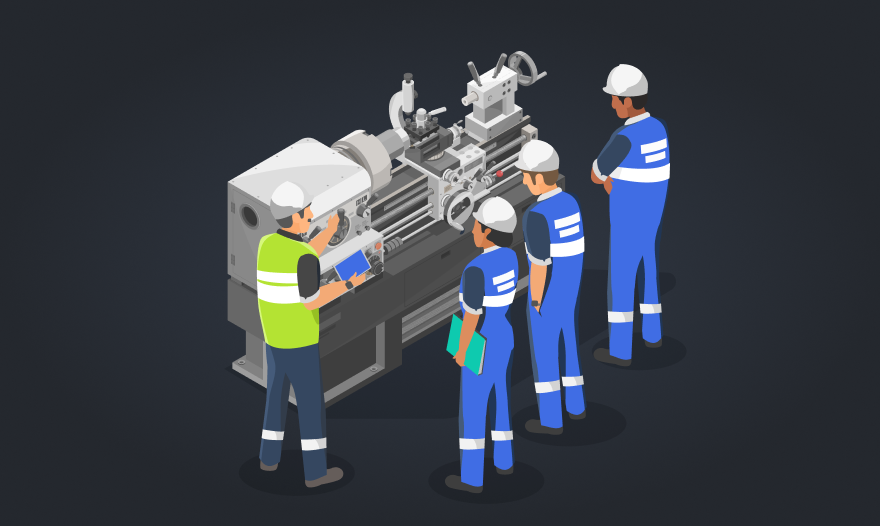
In a factory setting, each employee must master various skills, ranging from general safety protocols to role-specific tasks. Soft skills such as conflict resolution and effective communication are also crucial. Depending on their positions, workers may need to achieve different levels of competency, from basic knowledge of a skill to the ability to train others with specific knowledge required for their roles. Various industries, particularly in the manufacturing sector, face challenges in attracting and retaining talent – emphasizing the need for comprehensive training programs.
Workforce development is about creating a more capable workforce equipped with the skills and knowledge necessary for current and future challenges. This involves:
- Identifying skill gaps
- Prioritizing training in alignment with continuous improvement goals
- Establishing clear skill progression pathways for workers, including upskilling and cross-training to encourage versatility
This approach enhances employee engagement in manufacturing, making work more interesting for Gen Z workers entering the workforce. For employees, this translates to improved career prospects, while employers benefit from increased versatility, a reduction in skills gaps and enhanced retention rates.
Modern development programs maximize employee engagement by delivering information through a variety of channels, reducing classroom time and emphasizing practical skills transfer. Training effectiveness is measured through regular assessments and performance feedback, with completion of individual modules opening the door to more diverse assignments.
The Role of a Connected Worker App in Enhancing Employee Engagement
Modern factories are becoming increasingly digital, with production schedules, SOPs, Safety Data Sheets, training records and more all accessed digitally – ensuring employees can develop and apply job skills effectively. This shift addresses many challenges, ensuring that all employees work with the most current standards. However, it’s crucial that these resources are available seamlessly within the workflows of frontline workers who often require portable, user-friendly access to information via a connected worker app on tablets.
Poka’s connected worker app supports continuous workforce training in manufacturing through features such as:
- Digital training modules that provide visibility into training progress for both workers and supervisors
- Certification training
- Management of training records, version control, assessments and exams
- Digital work instructions that incorporate multimedia elements like pictures and videos
Video tutorials are an essential part of these online training programs, catering to different learning styles and enabling workers to engage with content at their own pace.
Additionally, the app serves as a communication hub, enabling workers to share information and tag relevant teams and individuals, similar to how social media operates. Poka’s Factory Feed feature also plays a role in sharing news and success stories across teams, helping to address the labor shortage in the manufacturing sector by improving training and retention.
Empowering Manufacturing Employees: Strengthening Skills and Engagement Across the Industry
Manufacturing employees play a crucial role in the success of the manufacturing industry. Their skills and knowledge are essential for ensuring quality control and adherence to safety protocols. Proper training is vital for these employees to operate equipment, follow safety procedures and maintain high-quality standards.
With the introduction of new technologies such as artificial intelligence and advanced manufacturing techniques, the role of manufacturing employees is evolving. They must adapt to these technological advancements and new processes, making ongoing training and education essential. Manufacturing companies must prioritize the training and development of their employees to ensure they possess the necessary skills to succeed in the industry.
Investing in employee training not only improves operational efficiency but also reduces errors and increases productivity. By focusing on the continuous development of their workforce, manufacturing companies can enhance their overall performance and maintain a competitive edge in the industry.
Integrating Connected Worker Apps With Management Systems to Improve Employee Engagement
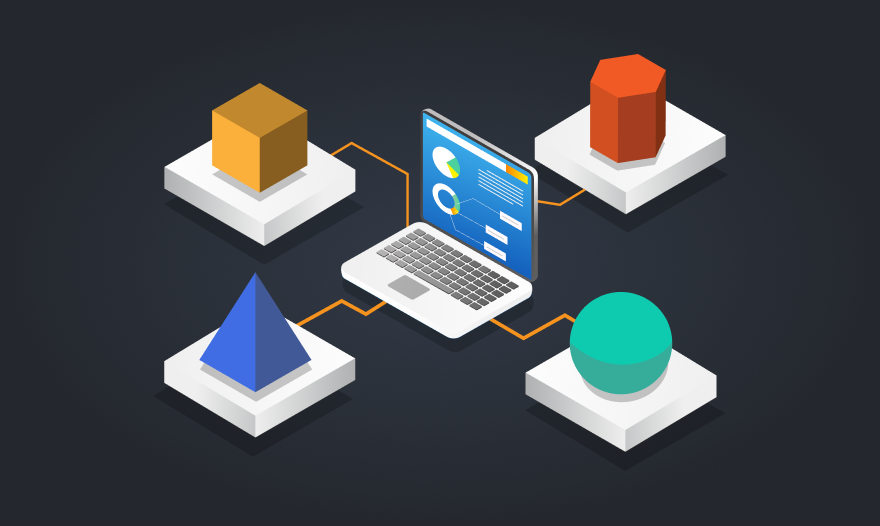
Connected worker apps can be integrated with management systems such as learning management systems (LMS) and enterprise resource planning (ERP) systems. This integration allows for real-time data analysis and improved performance, enabling manufacturing companies to make data-driven decisions that enhance their operations.
The integration of connected worker apps with management systems streamlines training processes and improves the effectiveness of training programs. By gaining valuable insights into the skills and knowledge of their employees, manufacturing companies can identify skills gaps and develop targeted training programs to address these gaps. Effective integration of connected worker apps with management systems is essential for maximizing the benefits of these digital tools, ultimately leading to a more skilled and efficient workforce.
Key Use Cases for Building Workforce Skills and Driving Employee Engagement
Several examples illustrate how Poka’s connected worker app has enhanced workforce training and development, making a solid case for its adoption. It is important to prioritize training based on available resources and time constraints to ensure effective workforce training.
Manufacturers can leverage Poka to address various workforce challenges. Collaboration between manufacturers and educational institutions is a critical strategy for workforce development, aligning training programs with industry needs.
New Hire Training
Onboarding can be a daunting experience for newcomers, who may find themselves stuck in lengthy presentations or overly reliant on seasoned colleagues for information. Effective communication is crucial in the onboarding process to ensure new hires can navigate digital communication tools and collaborate effectively. There’s a risk of overwhelming new hires with content they won’t immediately use.
Poka delivers digital training content that workers can access directly on the factory floor, enhancing relevance and retention of information. This approach allows training to occur as needed, expediting the onboarding process so new employees become effective sooner by clearly defining the skills and training needed for their roles.
Skills Target & Gap Management
Managers often maintain lists of tasks they want workers to be able to perform, emphasizing the importance of giving employees the necessary skills and knowledge. Concurrently, factory workers seek avenues for growth and advancement. Poka bridges this gap by making skills requirements visible, allowing workers to see what they need to learn to progress effectively.
With on-demand digital training modules, online checklists, assessments and Poka’s Skills Matrix, workers can advance their skills while supervisors manage their development. Mobile devices play a crucial role in enhancing learning and training experiences by facilitating access to training materials, enabling real-time communication and guidance during tasks, and supporting a flexible learning environment that adapts to individual schedules and preferences.
Making it Easier to Create Training Content
Knowledge of best practices in task performance often resides among many team members. However, the responsibility for documenting procedures and creating training content has traditionally fallen on a few individuals, creating bottlenecks. Effective documentation is crucial for risk management, ensuring that training programs meet regulatory requirements and mitigate potential risks.
Poka facilitates and democratizes content creation. Team members or trainers who may have been reluctant to author instructions are often much more comfortable being recorded performing tasks. They can rapidly assemble guides using visuals captured in the workplace, leading to clearer communication and incorporation of these resources into the skills development process.
Poka also integrates AI in manufacturing training to help organizations transform their written SOPs into visual, one-point lessons – significantly reducing the time required to create effective digital work instructions.
Training Audit & Compliance Management
Maintaining accurate training records is essential for EHS, quality and regulatory compliance. Managing compliance training at the factory level can be time-consuming and costly. Training technology plays a crucial role in enhancing training efficiency. Role-specific certifications, such as those required for operating machinery, add further complexity to the training regimen.
By delivering self-service compliance training through Poka, which includes digital exams, customers have reported up to a 50% reduction in time spent on compliance training. This reduction not only saves time but also alleviates manual data entry burdens for training associates.
Poka simplifies linking skills and training requirements to specific jobs, allowing auditors to verify that workers are performing tasks for which they are properly trained and certified, with alerts for expiring certifications. Aligning training programs with the latest industry standards is critical for maintaining a competitive edge and ensuring compliance in the rapidly changing landscape of the manufacturing sector.
Revision Training Management
Companies that demonstrate a commitment to employee learning and development often hold a competitive advantage by identifying the specific skills needed for various job roles. Modern tools like tablets and digital training modules, paired with practical training, appeal especially to younger workers.
Moreover, investing in skills revision initiatives signals to existing employees that the company supports their growth, positively impacting retention and reducing turnover costs along with onboarding burdens. Learning at one’s own pace as part of blended learning strategies further enhances the efficiency and effectiveness of skills development and training.
Benefits of a Connected Worker App for Learning, Development, and Employee Engagement

The advantages of deploying a connected worker app for skills training and workforce development include:
- Improved comprehension, retention and access to training materials
- Streamlined management of training, certifications and skills tracking
- Enhanced collaboration and knowledge transfer among workers
- Consistency in training delivery
- Improved visibility into training processes to effectively identify and close gaps
Aligning training programs with specific training goals is crucial to measure their effectiveness. Beyond these advantages, a connected worker app cultivates a more skilled, confident and engaged workforce – driving lower turnover rates and higher productivity levels. It ensures that employees attain a basic level of proficiency in various technologies and systems, such as smartphone apps and enterprise software. Additionally, it is essential to manage tasks related to specific training programs to enhance skills and improve overall company performance.
Achieve Industrial Excellence Through Workforce Investment
The adage rings true: your workforce is your most valuable asset and it deserves investment in development and training to retain skilled workers and expedite the effectiveness of new hires. Understanding the reasoning behind each step of the learning process in employee training is crucial for success.
Poka’s connected worker app offers tools and functionalities that enhance knowledge delivery, enabling manufacturers to cultivate a more skilled, versatile workforce. Research shows that structured training can significantly influence employee retention rates. By adopting these innovative solutions, organizations can elevate their manufacturing learning & development strategies and address the importance of developing worker skills within the manufacturing sector.
Are you prepared to enhance your workforce development initiatives with Poka? Contact our team today to get started!
FAQs on Enhancing L&D with Connected Worker Apps
The 70:20:10 methodology enhances manufacturing training by dividing learning into 70% on-the-job experiences, 20% social learning and 10% formal education. This approach helps build a skilled workforce by embedding learning into daily operations.
Workforce development is essential to ensure employees have the skills needed for current and future challenges. It focuses on identifying skill gaps and aligning training with improvement goals, enhancing engagement and retention.
Connected worker apps integrate with systems like LMS and ERP to enable real-time data analysis and improve performance. This integration streamlines training and helps identify skills gaps for targeted training.
Digital training modules improve comprehension, retention and access to materials. They streamline training management, enhance collaboration and ensure consistency in delivery, helping to close skills gaps effectively.
Connected worker apps streamline onboarding by providing digital training content accessible on the factory floor – expediting the process and improving job satisfaction and retention rates.