



Published on June 5, 2025
Explore the impacts of the Silver Tsunami on the manufacturing industry, highlighting labor shortages, workforce changes, and effective strategies for adapting to an aging workforce.
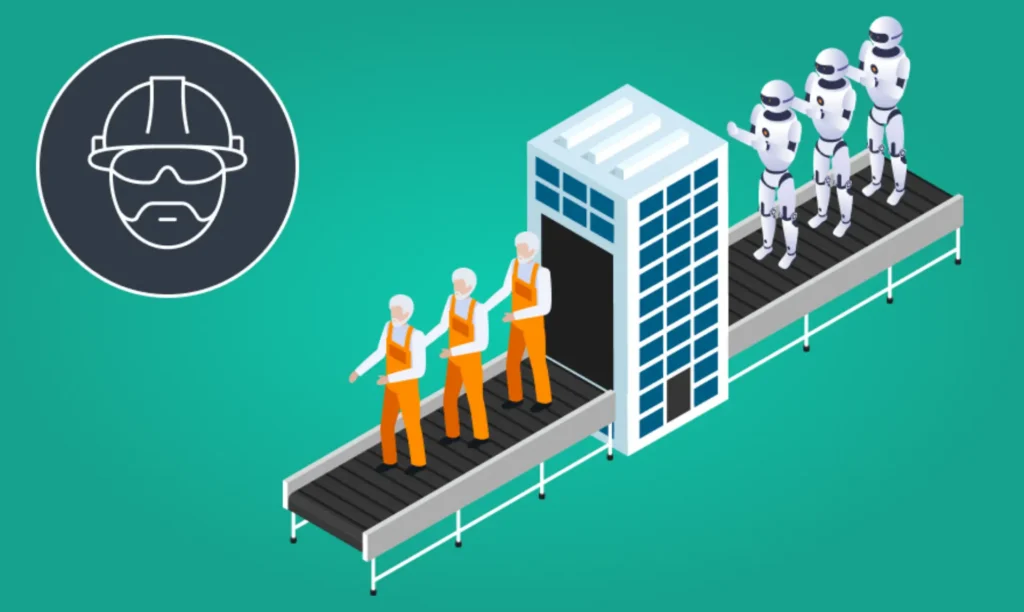
The term “Silver Tsunami” describes a significant demographic shift as the Baby Boomer generation transitions into retirement, leading to profound changes in the manufacturing industry.
This shift has extensive implications for the economy, healthcare and the workforce, particularly as it creates a labor shortage in manufacturing. According to the Census Bureau, the aging population is rapidly increasing, and their projections indicate that this trend will continue to impact the workforce and exacerbate labor shortages in the coming years.
In this article, we will delve into the causes, effects and future trends of the Silver Tsunami and explore effective strategies for addressing workforce challenges.
Key Takeaways
- The Silver Tsunami signifies a demographic shift prompted by the retirement of the Baby Boomer generation – driving increases in median age and potential labor shortages in manufacturing.
- Advancements in healthcare and declining birth rates contribute to this demographic change – creating a skilled labor shortage that requires proactive solutions.
- Manufacturing organizations must invest in workforce development strategies, embrace digital transformation and adapt production processes to meet the evolving needs of an aging workforce.
- Effective succession planning and workforce training for older employees are essential to retain institutional knowledge and maintain productivity.
- Addressing the Silver Tsunami challenges involves integrating new technologies and fostering a culture of continuous improvement to ensure competitiveness in the manufacturing sector.The combination of the Silver Tsunami and technological advancements is leading to the creation of new jobs and opportunities within the manufacturing sector, as evolving industry needs drive demand for fresh skills and roles.
What is the Silver Tsunami?
The Silver Tsunami denotes the pronounced demographic change resulting from the aging Baby Boomer generation entering retirement. This substantial demographic shift has been compared to a tsunami due to its scale and the considerable impact it has on the economy, healthcare systems and the labor market.
As the population ages, the national median age is anticipated to rise significantly—projected to surpass 40 years by 2030. Consequently, a larger proportion of older individuals will populate the workforce, presenting unique challenges and opportunities for manufacturing industries that primarily depend on skilled labor. The impact of the aging population is being felt to varying degrees across different sectors and regions.
Causes of the Silver Tsunami
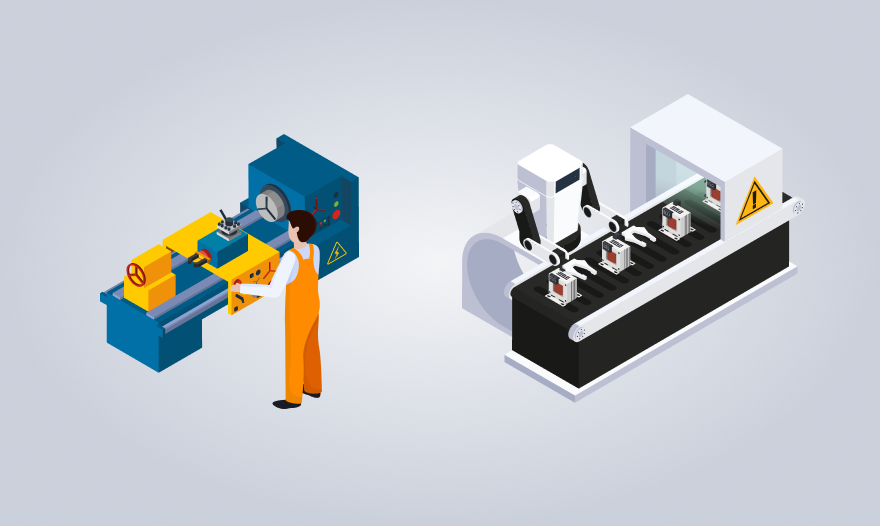
Two primary factors drive the Silver Tsunami: advancements in healthcare and medical technology that have boosted life expectancy and declining birth rates that have reduced the influx of younger workers into the labor market. This combination results in a workforce demographic increasingly weighted towards older individuals – leading to significant challenges for industries reliant on skilled labor.
A better understanding of the demographic and health trends driving the Silver Tsunami is essential to inform effective workforce and policy planning.
Demographic Changes and Labor Force Participation
Demographic factors, particularly the aging population and the retirement of baby boomers are reshaping the labor force participation rate within the manufacturing sector. According to recent labor statistics, the available labor supply is shrinking, making it increasingly difficult for manufacturing companies to find experienced workers to fill critical job openings. This trend is especially pronounced in the US manufacturing sector, where nearly half of all manufacturing jobs require specialized skills and training.
To remain competitive in this evolving environment, manufacturing organizations must implement robust talent strategies aimed at attracting and retaining younger workers. These new employees are vital for sustaining the industry’s long-term growth and innovation. At the same time, the rise of new technologies—such as artificial intelligence and big data—continues to transform the nature of manufacturing jobs – requiring workers to acquire new skills and adapt to changing job requirements.
As the labor force ages and the pool of experienced workers diminishes, manufacturers face mounting pressure to bridge the skills gap. Proactive workforce development and strategic recruitment of younger talent are essential steps to ensure the continued success of the manufacturing sector in the face of ongoing demographic shifts.
Workforce Changes in Manufacturing

The most notable impact of the Silver Tsunami on the manufacturing workforce is the impending skilled labor shortage due to retirements. As seasoned workers exit the industry, the manufacturing sector confronts pressing labor shortfalls – making it increasingly challenging to fill positions that require specialized skills and expertise.
This shortage adversely affects not only production but also hampers innovation and growth. As a result, employee retention is becoming a top priority for manufacturing companies facing labor shortages.
To counteract the impending loss of experienced workers, many companies are adopting workforce training for older employees, integrating their expertise with new technologies.
Company leaders are implementing innovative strategies to support both new and existing staff, such as flexible scheduling and job restructuring, to better meet evolving workforce expectations. Such programs are essential for maintaining productivity and ensuring a seamless transition during this demographic shift.
Effective succession planning in manufacturing has also emerged as a critical focus for organizations managing retirements. By ensuring the retention of institutional knowledge and facilitating smooth leadership transitions, companies can adeptly navigate the effects of the Silver Tsunami and maintain competitiveness. Retaining talent through upskilling and engagement initiatives is vital to keeping skilled workers motivated and committed to the industry.
Effects on the Manufacturing Industry
The aging population contributes to significant changes in labor dynamics within the manufacturing sector. As experienced workers retire, a considerable number of manufacturing jobs remain unfilled, creating a void that is challenging to bridge. Despite a push for hiring younger workers, the gap between demand and the available skilled workforce remains pronounced.
Currently, more than 25% of the manufacturing workforce is aged 55 or older, necessitating a concentrated effort to retain skilled workers and address skill gaps. The exodus of seasoned employees can lead to production delays, increased operational costs and disruptions in supply chains. These challenges emphasize the necessity of developing robust strategies for retaining and retraining older workers while attracting fresh talent to the industry.
After mentioning the need to bridge skill gaps, it is important to note that strong problem solving abilities are essential for addressing operational challenges and fostering innovation within manufacturing environments.
Additionally, the manufacturing sector is evolving its production processes to accommodate the aging workforce. As companies strive to maintain productivity in the face of labor shortages, advanced manufacturing techniques and automation are becoming increasingly integral.
Automation and advanced manufacturing technologies can increase productivity and help offset the impact of labor shortages. However, leveraging new technologies necessitates that workers possess specialized skills, underscoring the need for effective workforce development programs that can bridge existing skill gaps. Digital transformation is also reshaping the shop floor, requiring new skill sets and adaptability from operators.
Workforce development programs play a critical role in preparing employees for advanced manufacturing roles. Skills development is essential for upskilling employees, fostering adaptability and supporting long-term workforce growth through targeted education and industry partnerships.
Beyond labor shortages and changing market dynamics, the aging workforce complicates supply management and production lines. Companies must tackle challenges associated with maintaining efficient supply chains and ensuring timely delivery of raw materials and finished goods. The importance of resilient global supply chains cannot be overstated, as they are crucial for maintaining manufacturing operations amid workforce changes and ensuring agility in response to disruptions.
Companies are also restructuring roles to bridge different workforces and improve operational performance. Proactive strategies can help manufacturers maneuver through the complexities posed by the Silver Tsunami. Addressing these challenges requires increased investment in technology, training and workforce initiatives to ensure long-term resilience and competitiveness.
Preparing Your Manufacturing Workforce for Retirements

Preparation requires a multifaceted approach to address both immediate and long-term challenges. One effective strategy is employing connected worker apps like Poka, which can capture crucial knowledge from experienced employees.
This information can subsequently be used to train and upskill new and younger workers – ensuring that vital skills and expertise are preserved for future generations. Additionally, effective onboarding and support for new hires is essential to ensure workforce stability during the transition, helping organizations attract, retain and develop talent in a changing employment landscape.
Cultivating a culture of standardization, continuous improvement and accountability is key to navigating workforce challenges. An environment that encourages employees to document, innovate and improve fosters high-quality manufacturing processes and promotes efficient operations through lean manufacturing principles.
Digital transformation also plays a pivotal role in addressing the loss of knowledgeable workers. Implementing connected worker apps can help streamline workflows and integrate advanced technologies – thereby future-proofing operations. Establishing a skills management system enables organizations to proactively identify and fill skills gaps in the workforce, enhancing productivity while reducing training and onboarding time for new employees.
Future Trends and Predictions
Looking ahead, the Silver Tsunami is poised to continue shaping the workforce and economy in significant ways. By 2030, over 20% of the U.S. population is expected to be aged 65 or older, necessitating that industries adapt and innovate to meet the changing needs of an aging population. This demographic transformation will influence consumption patterns – potentially increasing demand for healthcare-related products and services tailored for older individuals.
This ongoing aging trend may also result in a slowing economic growth rate as the labor force participation declines. According to reports from the Federal Reserve Bank, demographic shifts and an aging workforce can have substantial impacts on economic growth, monetary policy and financial stability. Thus, it is vital for industries—including manufacturing—to adopt proactive workforce development strategies to remain sustainable in the face of these shifts.
In conclusion, recognizing and understanding the ramifications of the Silver Tsunami is crucial for effectively navigating the future. By embracing innovation, investing in workforce training and maintaining agility, manufacturers can successfully mitigate the impacts of an aging workforce and thrive within an evolving market landscape.
To achieve operational excellence and future-proof your workforce, book a demo to explore a connected worker solution purpose-built for efficient employee onboarding, continuous training and productivity in modern manufacturing.
FAQs on Silver Tsunami in Manufacturing
The Silver Tsunami signifies the demographic shift arising from the aging Baby Boomer population entering retirement, profoundly influencing various sectors and affecting the national median age.
The Silver Tsunami results from advancements in healthcare extending life expectancy, coupled with declining birth rates that diminish the younger workforce.
The Silver Tsunami significantly impacts manufacturing by causing labor shortages and heightened operational costs, thereby driving the demand for advanced manufacturing techniques and targeted workforce development programs.
Manufacturers should prioritize knowledge capture through connected worker apps, promote standardization and continuous improvement, invest in digital transformation, and enhance workforce training to bridge skill gaps and retain talent.
The Silver Tsunami will yield marked demographic shifts, with projections indicating over 20% of the U.S. population will be 65 or older by 2030. This shift prompts industries to innovate and adapt to evolving consumption patterns while potentially resulting in a slower economic growth rate.