



Published on December 4, 2024
Discover how Connected Worker solutions are transforming smart manufacturing.
In today’s rapidly evolving manufacturing landscape, Connected Worker solutions are revolutionizing productivity, safety and collaboration. As industries transition from Industry 4.0 to Industry 5.0, these digital platforms play a crucial role in empowering workers and optimizing operations.
This article answers frequently asked questions (FAQs) about Connected Worker solutions, highlighting how they enhance real-time access to information and tools. Read on to discover how these innovative technologies are reshaping the manufacturing sector and contributing to the emergence of a Smart Manufacturing future.
FAQs About Connected Worker Solutions
1. What is a Connected Worker Solution?
A Connected Worker solution refers to a digital platform designed to connect workers with real-time information, tools and communication channels. These solutions enhance productivity, safety and collaboration by leveraging advanced technologies such as mobile devices, wearables and software integration. The goal is to improve decision-making efficiency in both Industry 4.0 and Industry 5.0 environments.
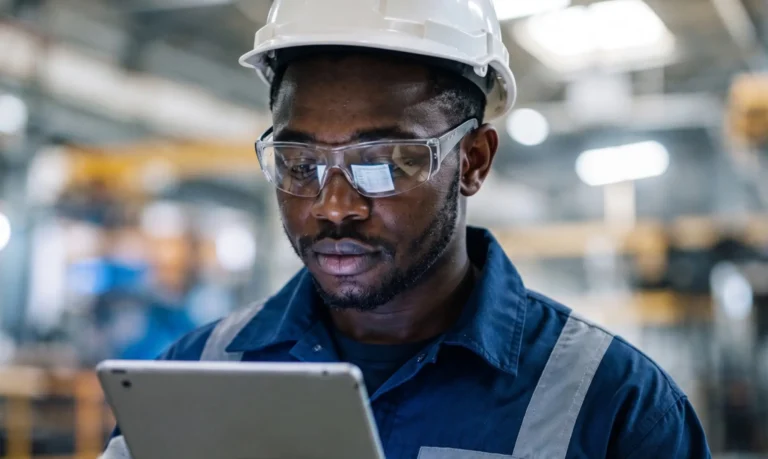
These platforms enable workers to easily access critical information and instructions, making processes more efficient. For instance, factory floor employees can use their mobile devices to receive real-time updates on production schedules and equipment status, enhancing their ability to respond quickly to changes.
2. How do Connected Worker Solutions Benefit Manufacturing Operations?
Connected Worker solutions provide numerous benefits that significantly improve manufacturing operations, including:
- Increased Productivity: By providing workers with immediate access to information and resources, these solutions minimize downtime and streamline workflows.
- Enhanced Safety Measures: Real-time safety information helps employees make informed decisions that enhance workplace safety. For example, machine malfunctions can trigger alerts, allowing employees to follow safety protocols immediately.
- Improved Communication and Collaboration: Real-time updates facilitate better communication among team members, fostering teamwork and accountability.
- Support for Continuous Learning and Skill Development: Many platforms include training modules, allowing employees to continuously develop their skills.
- Real-Time Access to Data for Informed Decision-Making: Connected Worker solutions provide access to data analytics that help teams analyze performance metrics and make data-driven decisions.
These advantages contribute to higher quality and efficiency in production processes and support the transition to a Paperless Factory – reducing reliance on paper documentation.
3. What Technologies Are Used in Connected Worker Solutions?
Connected Worker solutions utilize a variety of innovative technologies, including:
- Mobile Devices: Smartphones and tablets serve as primary interfaces for accessing information anytime and anywhere.
- Wearable Technology: Devices such as smartwatches or augmented reality headsets provide hands-free access to information and real-time feedback.
- Digital Work Instructions: These solutions offer step-by-step guidance to employees, ensuring they have access to the latest protocols.
- Augmented Reality (AR) and Virtual Reality (VR): These technologies enhance training and support with immersive learning experiences.
- Artificial Intelligence (AI): AI analyzes operational data – delivering insights that optimize processes and enhance safety protocols.
By integrating these technologies, Connected Worker solutions empower workers to perform tasks efficiently while adhering to industry standards.
4. How Do Connected Worker Solutions Integrate with Existing Systems?
One key advantage of Connected Worker solutions is their ability to integrate seamlessly with existing hardware and software. For instance, platforms like Poka offer API integrations that minimize data gaps without requiring a complete system overhaul.
This smooth integration allows manufacturers to adopt Connected Worker solutions without disrupting ongoing operations, facilitating a quicker realization of value.
5. What Are the Challenges of Implementing Connected Worker Solutions?
Despite their benefits, there are challenges to implementing Connected Worker solutions, including:
- Managing Technological Changes: Transitioning to a digital environment can require significant adjustments in workflows and employee roles.
- Addressing Cybersecurity and Data Privacy Concerns: Protecting sensitive information becomes crucial as more devices connect to the internet.
- Ensuring Adequate Resources for Implementation: Organizations must plan carefully to allocate sufficient time, personnel, and financial resources.
- Overcoming Resistance to Change: Employees accustomed to traditional manufacturing methods may resist adopting new technologies. Training and support are essential to overcoming this barrier.
6. How Do I Assess My Organization’s Readiness for Connected Worker Solutions?
To evaluate your organization’s readiness, consider the following factors:
- Current Technological Infrastructure: Identify what systems and technologies are already in place and what can integrate with new solutions.
- Workforce Capabilities: Assess employee skills and familiarity with technology to inform training needs.
- Openness to Change: Gauge employee attitudes toward change to identify potential resistance.
Also, pinpoint specific operational pain points that Connected Worker solutions can address to ensure successful adoption.
7. What Should I Consider When Selecting a Connected Worker Solution?
When choosing a Connected Worker solution, keep these factors in mind:
- Integration Capabilities: Ensure the platform easily integrates with existing systems for efficient data exchange.
- Scalability: Select a solution that can grow with your organization and accommodate changes in workforce size and operational demands.
- Security and Compliance Features: Verify that the solution adheres to industry standards for data protection.
- User-Friendliness: An intuitive platform will enhance employee adoption and satisfaction.
- Support for Industry-Specific Requirements: Ensure the solution aligns with your industry’s unique needs.
Evaluating the vendor’s experience, support offerings and flexibility in deployment will also help ensure an informed decision.
8. How Long Does It Take to Implement a Connected Worker Solution?
Implementation timelines for Connected Worker solutions can vary based on operational complexity and scope. However, a well-structured solution often provides quick value realization, with some benefits becoming apparent within weeks.
Factors influencing the timeline may include:
- Size of the Organization: Larger operations may require more time to implement.
- Current System Complexity: Complex systems may prolong the implementation process.
- Customization Needs: Highly tailored solutions may necessitate additional development time.
It’s crucial to work closely with solution providers to establish clear timelines and resource allocation.
9. Can Connected Worker Solutions Be Customized to Our Specific Needs?
Yes, many Connected Worker solutions, including Poka, offer customizable features that allow organizations to tailor the solution to unique industry requirements, processes and workforces. Customization can involve:
- Modifying Features: Adjust functionalities to better align with workflows.
- User Interface Adjustments: Tailor the interface for ease of use to boost adoption rates.
- Data Analytics Capabilities: Adapt reporting tools to focus on the most relevant metrics for operations.
Such customization ensures that Connected Worker solutions remain effective and relevant – enhancing their impact on productivity and efficiency.
10. What Are the Future Trends in Connected Worker Technologies?
Several trends are emerging in Connected Worker technologies as the manufacturing landscape evolves:
- Increased Adoption of AI and Machine Learning: These technologies will provide predictive insights, enhancing decision-making.
- Greater Integration of AR/VR: Utilizing augmented and virtual reality for immersive training will bolster skill development.
- Expansion of IoT Devices: The proliferation of Internet of Things (IoT) devices will further enhance workers’ connectivity to their environments.
- Emphasis on Cybersecurity and Data Privacy: As connected solutions become more prevalent – reinforcing security measures will be vital.
These trends will shape the future of manufacturing and the role of Connected Worker solutions within that landscape.
Conclusion: The Importance of Connected Worker Solutions
Connected Worker solutions are integral for manufacturers looking to enhance productivity and operational efficiency. By facilitating real-time communication and access to Digital Work Instructions, these solutions are essential to advancing Smart Manufacturing initiatives.
As the shift towards Industry 5.0 emphasizes creating synergy between machines and human workers, Connected Worker solutions will play a crucial role. By enhancing collaboration and productivity, these solutions empower manufacturers to thrive in an increasingly competitive marketplace.
Ready to transform your operations with Connected Worker solutions? Book a demo with us today to discover how our innovative solutions can enhance productivity, streamline workflows, and maintain your competitiveness in the ever-evolving manufacturing landscape.
Don’t miss the chance to elevate your business to new heights!