




Published on July 25, 2025
Boost safety and efficiency with digital safety and gemba walks.

Key Takeaways
- Digital safety walks and safety gemba walks are tech-enabled shop floor audits that help improve safety, efficiency, and continuous improvement.
- Safety gemba walks focus on visiting the actual workplace to observe operations, identify potential hazards and actively involve employees in promoting safer work practices.
- Digitizing safety walks enhances real-time visibility, standardization, actionable insights and faster resolution of safety issues.
- Tools like mobile checklists, real-time task assignment, integrated digital work instructions and visual dashboards empower teams and leadership.
- Embedding safety walks into daily routines fosters a proactive safety culture, supports lean manufacturing and drives measurable operational gains.
In today’s highly dynamic manufacturing sector, safety is both a fundamental requirement and a performance lever. The companies leading the way in productivity and operational excellence are those that view safety not as an afterthought, but as a core business function – empowered by digital transformation. Among the tools driving this evolution are digital safety walks and safety gemba walks. These digital safety walks and gemba walks play a crucial role in improving operational efficiency by streamlining processes, reducing waste and enhancing overall productivity in manufacturing environments.
While traditional safety inspections served a purpose, they were often reactive, inconsistent and difficult to follow up on. Now, with digital connected worker platforms like Poka, manufacturers can conduct standardized, real-time safety walks and gemba walks that are actionable, transparent and data-rich.
Introduction to Operational Safety
Operational safety is the backbone of any successful organization, especially in industries where the risks of accidents, injuries or equipment damage are high. Prioritizing safety not only protects workers and assets but also drives continuous improvement across all levels of the organization.
One of the most effective methods for achieving operational safety is through regular Gemba walks. By going to the “real place” where work happens, organizations can observe processes firsthand, identify hazards and uncover opportunities to reduce waste and increase efficiency. Gemba walks foster a proactive safety culture, encouraging teams to address issues before they escalate and to embed safety into daily routines.
Ultimately, integrating Gemba walks into operational safety strategies helps organizations minimize waste, optimize processes and create a safer, more productive workplace.
Understanding the Digital Safety Walk and Safety Gemba Walk
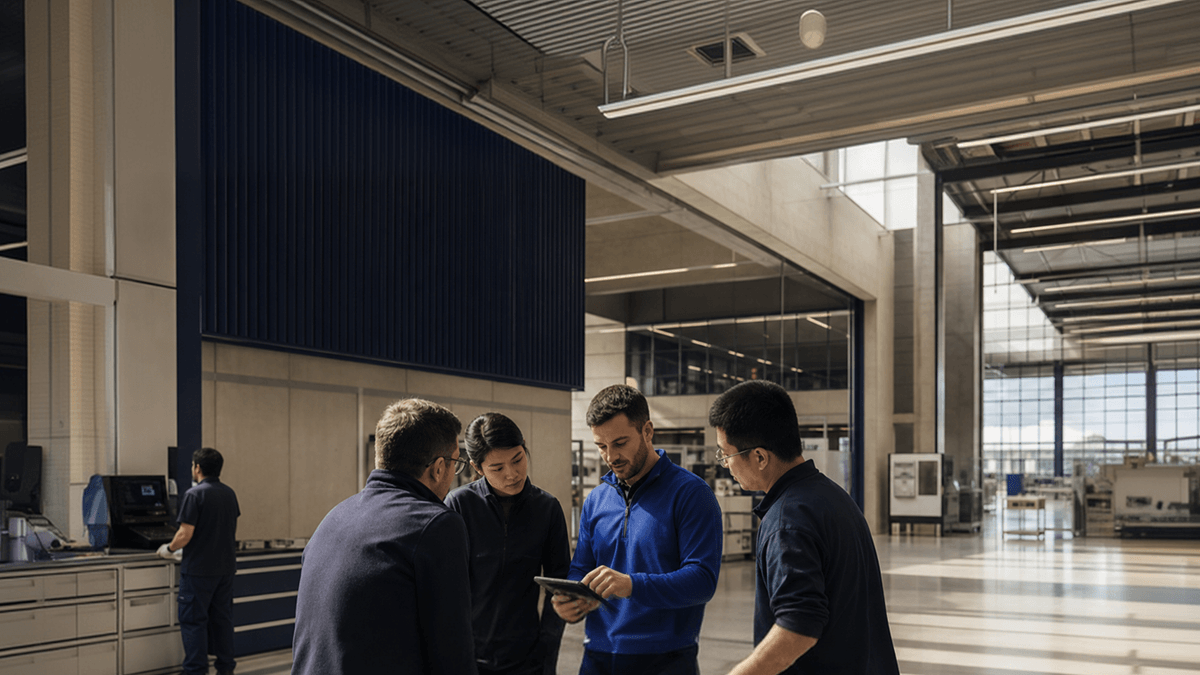
A digital safety walk is a systematic approach to evaluating health and safety conditions using a connected, mobile-based platform. Similarly, a safety gemba walk involves observing and interacting directly at the “gemba”—the place where work happens and where the worker performs tasks—to identify risks, verify standard work and reinforce safety practices with the support of digital tools.
With Poka, these processes are digitized and integrated into daily operations. Teams can perform inspections, flag hazards, assign actions and share updates—all from a tablet or mobile device. Digital platforms allow safety walks to be conducted and accessed from any location – ensuring no area is overlooked. During the observation and interaction at the gemba, workers can easily record a note about hazards or improvement opportunities they encounter, facilitating later analysis and discussion.
For example, a worker might use a digital safety walk to identify a spill on the production floor, document the issue with a note and photo and immediately assign a corrective action to the appropriate team—all within the centralized platform.
Why Traditional Safety Methods No Longer Suffice
Manual reporting and paper checklists are prone to errors, delays and poor data retention. They create information silos that prevent rapid response and weaken safety accountability. Here’s what’s typically missing from analog systems:
- Real-time visibility into safety concerns
- Standardization across teams and shifts
- Seamless documentation of corrective actions
- Actionable analytics and insights
- Employee engagement in identifying and resolving hazards
- Timely follow-up, as issues identified are often not properly addressed, leading to recurring problems
Without digital tools, businesses also miss out on significant cost savings that come from improved safety management, efficiency and reduced waste.
How Poka Enhances Safety Walks and Gemba Walks
Mobile-Ready Digital Forms
Poka provides customizable safety checklists accessible via mobile or QR code. This ensures safety inspections are consistently completed regardless of who performs them.
Digital forms can be customized for each assembly line to ensure relevance to specific workflows and processes. For example, checklist items for one line might include verifying machine guards while another line may require checks for proper inventory levels or real-time communication protocols. Digital forms can also include scoring logic to identify risk levels and prioritize follow-up actions.
Real-Time Issue Capture and Task Assignment
During a walk, users can instantly flag unsafe conditions and assign them as tasks, clearly designating a responsible individual for each task to ensure accountability. Visual issue boards help track open, in-progress and resolved hazards. This system eliminates delays between identifying a hazard and taking corrective action.
Integrated Knowledge and Work Instructions
Poka embeds AI-powered multimedia work instructions into the workflow, giving users contextual guidance during inspections. Embedding instructions in this way helps spread knowledge across the team, improving overall safety awareness. Whether verifying PPE usage or machinery lockout procedures, workers have instant access to best practices.
Skills Matrix for Compliance and Training
By connecting safety walk data with training completion, companies can identify knowledge gaps and ensure staff are certified and informed. The built-in skills matrix helps visualize compliance in real time. Collaboration with the engineering team ensures that training programs address both technical and safety requirements – supporting comprehensive compliance.
Visual Dashboards and Analytics
All inspection data feeds into customizable dashboards. Safety trends, performance scores and response metrics are instantly visible to supervisors and plant leaders – driving smarter decisions. Dashboards can also track inventory levels of safety equipment – ensuring timely replenishment and continuous availability of essential materials.
Factory Feed™ for Continuous Communication
Live communication tools like Factory Feed™ ensure everyone stays updated on safety priorities. Factory Feed™ enables seamless communication across different factories, ensuring consistent safety messaging. Whether sharing a new procedure or announcing a resolved hazard, Factory Feed™ reinforces a culture of awareness and transparency.
Embedding Safety Walks into a Continuous Improvement Strategy
Safety walks and safety gemba walks are essential components of lean and continuous improvement frameworks. By combining observational insight with real-time reporting and action tracking, they create a structured, repeatable loop of feedback and improvement.
This integration allows teams to move beyond reactive compliance and focus on preventative, performance-driven safety outcomes. The ultimate goal of integrating safety walks is to create a safer, more efficient workplace.
Benefits of Digitizing Safety Inspections

Manufacturers who implement digital safety walk systems see:
- Quicker resolution of safety concerns
- Better participation in safety programs
- Reduced incident rates
- Stronger audit readiness
- More engaged, informed teams
Best Practices for Success
- Standardize and digitize all safety walk and gemba walk forms
- Train staff on how to capture issues and assign tasks via mobile tools
- Review dashboards regularly during tiered huddles
- Use skills tracking to monitor training effectiveness
- Foster collaboration through communication features
- Track the handling and storage of materials during safety walks to identify and prevent potential hazards
Building a Proactive Safety Culture Through Digital Gemba Walks
Creating a safe and efficient workplace requires more than compliance—it demands a cultural shift where safety becomes embedded into daily operations. Digital safety and Gemba walks are central to this transformation. When conducted with platforms like Poka, these walks evolve from simple inspections into strategic tools that drive leadership engagement, frontline accountability, and continuous improvement.
Leadership plays a crucial role in this cultural shift. By actively participating in Gemba walks, leaders model best practices, reinforce safety priorities and demonstrate a visible commitment to frontline teams. These interactions foster trust, encourage open dialogue, and empower workers to identify and respond to risks proactively. Real-time data and insights from digital walks allow leaders to make informed decisions that reduce incidents and raise quality standards.
Standardizing safety walks across shifts and sites further enhances operational readiness. Digital templates tailored to specific lines or zones ensure relevant, efficient inspections—covering critical checks like emergency exits, LOTO compliance and chemical storage. When issues are flagged, shift handovers include clear records of outstanding actions and context, reducing communication gaps and enabling faster response.
Digital safety platforms also strengthen enterprise-wide visibility and consistency. For multisite manufacturers, fragmented reporting can hinder EHS oversight. Centralized dashboards offer a unified view of risk trends, compliance gaps, and audit readiness—allowing for benchmarking and performance-driven investment decisions. By embedding safety observations into lean tools like 5S and Kaizen, companies link safety with efficiency and sustain continuous improvement.
Perhaps most critically, digital tools simplify regulatory compliance. With all inspections, actions and training histories stored in a searchable, timestamped platform, audit preparation becomes effortless. This not only saves time but builds trust with external stakeholders.
By aligning leadership, frontline engagement, standardization, and digital enablement, organizations can cultivate a proactive safety culture that supports both regulatory requirements and long-term operational excellence.
Future Outlook: Smarter, Scalable Safety
The future of safety management is intelligent, connected, and responsive. Poka lays the foundation for integration with advanced technologies like AI-based hazard prediction, wearable safety devices and automated compliance reporting.
With scalable digital systems, companies can confidently evolve their safety programs and remain agile amid changing regulations, workforce demographics, and production demands.
Conclusion: Maximizing Operational Safety with Digital Safety Walks and Safety Gemba Walks
Digital safety walks and safety gemba walks represent a shift from reactive compliance to proactive, connected safety management. With Poka, manufacturers gain the tools to improve inspection consistency, increase employee engagement and embed safety into daily routines—ultimately enhancing both performance and well-being on the factory floor.
Ready to see how it works in action? Book a demo with Poka.
FAQs About Digital Safety Walks
A digital safety walk is a mobile-based, systematic approach to evaluating workplace health and safety conditions using digital tools to capture real-time data, assign tasks and track corrective actions.
Safety gemba walks involve going to the actual work site to observe processes, engage with employees, and identify hazards, fostering a proactive safety culture and continuous improvement.
Digitizing safety walks enhances real-time visibility, standardization, faster issue resolution, better employee engagement and significant cost savings through improved safety management.
They help identify waste such as excess inventory and unsafe machine operation, integrate safety into lean practices and promote continuous improvement through data-driven insights.
Yes, digital platforms enable consistent safety walk execution, data collection and reporting across multiple sites, supporting enterprise-wide safety visibility and benchmarking.