






Published on July 24, 2025
Learn the consequences of missing a critical control point (CCP) in manufacturing, how digital tools like Poka improve CCP management and best practices for ensuring food safety, regulatory compliance and continuous improvement.
Key Takeaways
- Critical Control Points (CCPs) are essential steps in manufacturing processes to prevent, eliminate or reduce food safety hazards to acceptable levels.
- Failing to meet a CCP can lead to serious consequences including regulatory non-compliance, product recalls and loss of customer trust.
- Digital tools like Poka enhance CCP management by providing real-time monitoring, automated alerts and streamlined corrective actions.
- Implementing a robust Hazard Analysis and Critical Control Points (HACCP) system with continuous monitoring and verification supports compliance with regulatory standards and improves product safety.
- Building a strong food safety culture through training, data analytics and continuous improvement is vital for sustained operational excellence and customer satisfaction.
Introduction: Why Critical Control Points Matter
In today’s highly regulated manufacturing environments – especially in industries like food and beverage, pharmaceuticals and medical devices – ensuring product quality and safety is paramount. At the heart of every quality assurance system lies a mechanism called the Critical Control Point (CCP).
Critical Control Points are essential steps in the production process where controls must be applied to prevent, eliminate or reduce a hazard to an acceptable level. Across all segments of the food industry, CCPs play a crucial role in ensuring food safety and compliance. These are non-negotiable compliance requirements, governed by standards such as HACCP (Hazard Analysis and Critical Control Points), GMP (Good Manufacturing Practices), and ISO 22000, all of which rely on prerequisite programs as foundational procedures that support the effective implementation of CCPs. In addition to these standards, organizations must also comply with local regulations as part of comprehensive food safety management.
Failing to meet a CCP can lead to severe consequences: compromised safety, regulatory violations, product recalls and loss of customer trust. But with the complexity of modern manufacturing operations, manual systems are no longer adequate. Manufacturers need real-time response capabilities powered by digital tools like Poka to address CCP deviations quickly, thoroughly and transparently. The benefit of using such digital tools is that they provide significant advantages for different types of food businesses – positively impacting operational needs and supporting compliance efforts.
Understanding HACCP System Principles
The HACCP system is a cornerstone of modern food safety management, providing a systematic approach to identifying, evaluating and controlling food safety hazards throughout the production process. By mapping out every step – from sourcing raw materials to delivering finished products – HACCP enables organizations to pinpoint critical control points (CCPs) where intervention is essential to keep hazards within acceptable levels.
At the heart of the HACCP system are seven principles that guide teams in building a robust safety framework:
- Conduct a Hazard Analysis: Identify potential food safety hazards at each stage of the process, assessing their risk levels and impact on product safety.
- Determine Critical Control Points (CCPs): Pinpoint the specific steps where control is vital to prevent, eliminate or reduce hazards to safe levels.
- Establish Critical Limits: Set measurable criteria – such as temperature, time or pH – that must be met at each CCP to ensure safety.
- Establish Monitoring Procedures: Define how and when each CCP will be monitored – ensuring deviations are detected in a timely manner.
- Establish Corrective Actions: Develop clear steps to take when monitoring shows a CCP is not within its critical limits – ensuring swift risk management.
- Establish Verification Procedures: Regularly review and validate the HACCP system to confirm it is working as intended and meeting regulatory requirements.
- Establish Record-Keeping and Documentation Procedures: Maintain detailed records of hazard analysis, monitoring, corrective actions and verification for compliance and future reference.
By following these seven principles, businesses can ensure compliance with regulatory requirements, maintain effective control over food safety hazards and protect consumers from foodborne illness. This systematic approach not only safeguards product safety but also supports continuous improvement and operational excellence across the entire production process.
What Does It Mean When a Critical Control Point Is Not Met?
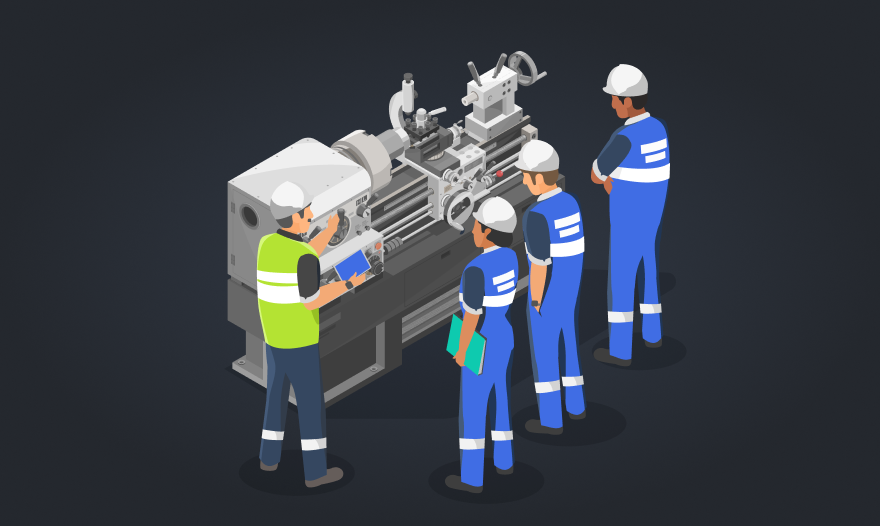
When a CCP is not met, it means that a key operational threshold – such as temperature, pressure, pH or contamination level – has deviated from the safe or acceptable range.
Continuous monitoring of critical control points is essential to ensure immediate detection of such deviations. This failure may indicate the presence of potential hazards, including biological, chemical or physical risks that could compromise food safety.
It triggers a critical deviation requiring immediate corrective action to address any food safety hazard and mitigate product risk to prevent risks to consumers and remain compliant.
Examples of Common Critical Control Points
Here are examples of common critical control points:
- Cooking or cooling temperatures in food processing
- Sterilization pressure in pharmaceutical production
- Allergen or foreign body detection in packaging lines
- Chlorination or pH balance in water treatment
- Sealing integrity in medical device packaging
Flow diagrams are often used to visually represent these steps and help identify CCPs in the process. Understanding the intended use of the product helps determine which CCPs are most critical.
If any of these checkpoints fail, the product may no longer meet safety or regulatory standards.
Consequences of Deviations at CCPs
- Production stoppages and downtime
- Regulatory non-compliance and fines
- Expensive product recalls or rework
- Loss of market access or certifications
- Negative brand impact and consumer trust erosion
Failing to act quickly on a missed CCP can turn a minor operational issue into a full-blown crisis.
Regulatory Requirements and Compliance
Meeting regulatory requirements is a fundamental aspect of food safety management, with most countries mandating the implementation of a HACCP system to control food safety hazards. Regulatory standards are designed to ensure that food manufacturers consistently produce safe products and failure to comply can result in severe legal and financial consequences.
To ensure compliance, food manufacturers must implement a comprehensive HACCP system that includes regular monitoring, corrective actions and thorough documentation. Compliance software plays a crucial role in managing these complex requirements, streamlining record keeping and automating alerts for deviations. By leveraging digital tools, organizations can enhance compliance, reduce the risk of food safety hazards and respond to issues in a timely manner.
Regular audits and inspections are equally important, providing an opportunity to verify that the HACCP system is functioning effectively and that corrective actions are being implemented as needed. By staying up to date with regulatory requirements and utilizing compliance software, food manufacturers can ensure compliance, protect their brand reputation and maintain the highest standards of product safety.
Common Challenges in Responding to Missed CCPs
Despite the critical nature of CCPs, many manufacturers continue to rely on outdated methods like paper checklists, spreadsheets and isolated tracking systems.
These methods often create delays and blind spots in quality control systems. To address these challenges, a robust management system is essential for ensuring comprehensive food safety compliance across all stages of production and distribution. Utilizing digital tools can further improve CCP management by streamlining compliance and enabling quick adjustments after inspections.
Delayed Detection of Deviations
Without real-time data entry or alerts, deviations may go unnoticed for hours or even days. By then, the affected product may already have advanced in the production process or left the facility.
Lack of Standardized Escalation Procedures
When a CCP is missed, frontline teams may not know who to notify or what steps to take. This results in inconsistent corrective actions and slower response times.
Poor Accountability and Traceability
Manual tracking often leads to gaps in documentation. It becomes difficult to determine who recorded the CCP, when the deviation occurred and whether it was resolved. Digital documentation helps ensure that inspection results are accurately recorded and easily accessible during audits, supporting compliance and traceability.
Difficulty Identifying Root Causes
Without a centralized system, compiling historical data, investigating patterns and identifying root causes is a time-consuming and error-prone process.
Fostering a Strong Food Safety Culture
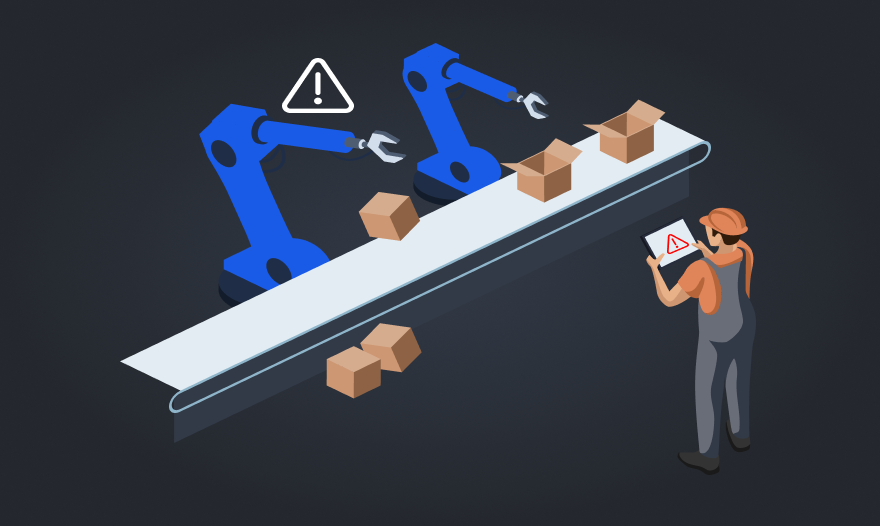
Building a strong food safety culture is essential for protecting consumers and ensuring long-term business success. This culture starts with continuous improvement and is driven by quality managers who play a vital role in promoting best practices and empowering team members at every level.
Regular training is key – ensuring that all employees understand food safety protocols, the importance of the HACCP plan and their individual responsibilities in maintaining safety. By integrating tools such as kanban boards and data analytics, quality managers can monitor business processes in real time, identify trends and drive targeted process improvements. These tools not only support compliance but also foster a proactive approach to risk management and process improvement.
A strong food safety culture also means regularly reviewing and updating the HACCP plan to address new challenges and adapt to changes in manufacturing processes or regulatory standards. By prioritizing training, leveraging data and encouraging open communication, organizations can create an environment where safety is everyone’s responsibility and continuous improvement is the norm. This commitment not only reduces the risk of foodborne illness but also enhances customer satisfaction and supports sustainable business operations.
How Digital Tools Like Poka Improve CCP Management
Poka, a connected worker platform, transforms how manufacturers manage CCPs by digitizing inspections, automating response workflows and delivering real-time visibility. It replaces manual methods with intelligent, mobile-first solutions that empower frontline workers and quality managers alike.
These solutions can be tailored to address the specific challenges manufacturers face on the factory floor — such as slow issue escalation, persistent skill gaps and inefficient paper-based processes. Poka’s support teams work closely with customers to ensure smooth implementation and offer ongoing regional assistance – helping organizations transition to digital workflows with confidence.
Real-Time Monitoring with Forms & Checklists
Using Poka’s digital checklists, manufacturers can create standardized CCP forms for each process. Built-in logic flags any deviations instantly, reducing human error and enabling immediate detection.
Issue Creation and Task Assignment
Deviations are converted into actionable issues which are assigned to the right team members. Progress is tracked within the platform – ensuring accountability and resolution.
Centralized Documentation
Every CCP check, deviation, corrective action and resolution is digitally logged. This creates a permanent, auditable record that supports compliance and improves transparency.
Key Features That Support Real-Time Response

Poka’s CCP solution includes a robust set of features designed to support proactive, compliant and data-driven response mechanisms:
Visual CCP Forms
Operators complete CCP tasks using tablet-friendly checklists. Form logic can be configured to trigger alerts when values fall outside of limits – ensuring errors are caught immediately.
Scheduled Inspections
Built-in scheduling ensures that CCP tasks are completed consistently and on time. Managers can monitor task completion rates and intervene when schedules are missed.
Instant Escalation and Notification
When a deviation is detected, it is easy to capture, track using a visual Kanban board, and assign ownership with automatic notifications. Digital collaboration and task assignments ensure that deviations are swiftly and effectively addressed.
Digital Task Management
Tasks are assigned with due dates, priorities and comments. Everyone involved can see progress and provide updates until resolution is complete.
Root Cause Analysis and Traceability
Poka facilitates structured investigations using digital issue logs enabling teams to identify patterns, trace problems to their source and implement lasting solutions.
Integrated Training and SOPs
Training and knowledge management are built in. Operators have access to video-based SOPs, quick guides and troubleshooting resources directly within the task.
Benefits of Going Digital for CCP Compliance
Digitizing your CCP tracking and response process delivers both immediate and long-term benefits. The primary goal of digitizing CCP compliance is to prevent food safety hazards and protect consumers. In addition to improving efficiency, digital solutions support regulatory compliance by ensuring adherence to industry standards and legal requirements.
The HACCP team plays a key role in implementing digital CCP solutions – leveraging their multidisciplinary expertise to ensure effective hazard analysis and control. A HACCP system involves detailed planning, monitoring and documentation to ensure food safety at every stage of production.
Faster Deviation Detection and Response
Real-time data collection and auto-escalation reduce the time between issue occurrence and resolution.
Reduced Risk of Non-Compliance and Recalls
With automated, auditable workflows in place, organizations significantly lower their risk exposure.
Improved Accountability and Traceability
Digital logs capture who did what, when and how – simplifying compliance reporting and audits.
Empowered Frontline Teams
Operators are equipped with visual instructions and immediate support tools that build confidence and compliance.
Streamlined Audits
Digital records allow you to instantly pull up past CCP tasks, deviation records, corrective actions, and root cause analysis documentation – making audits faster and easier.
Real-World Use Cases of Digital CCP Monitoring
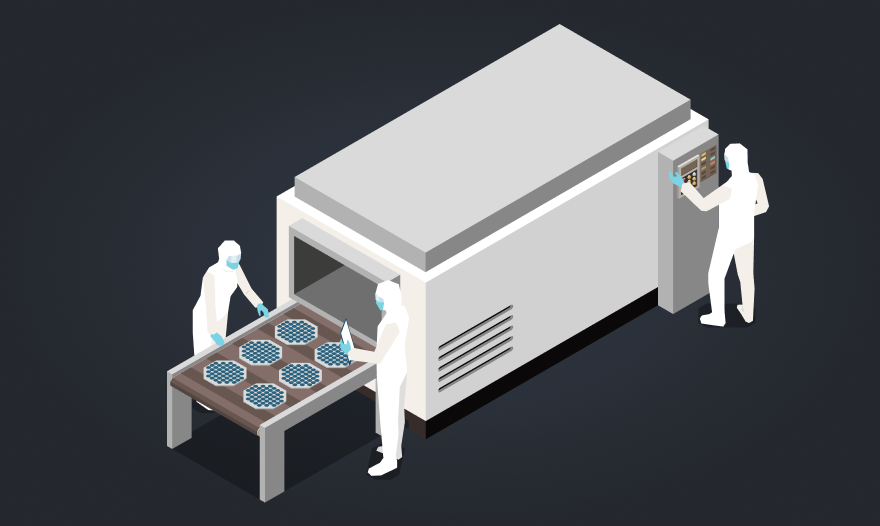
Digital CCP solutions deliver significant value across various industries by enabling comprehensive process documentation, product handling oversight, personnel involvement and safety control integration. These systems support food safety and regulatory compliance by providing real-time monitoring and automated responses at critical control points.
Food Manufacturing
Digital CCP monitoring helps manufacturers track and record critical parameters such as temperature checks to quickly identify and address deviations. This is essential for controlling pathogenic microorganisms that can cause foodborne illnesses. The system ensures timely alerts and maintains digital records to support audit readiness.
Pharmaceutical Production
Automated compliance documentation and procedure tracking are facilitated through digital CCP solutions. By leveraging advanced analytics and machine learning, these systems can analyze CCP data to detect patterns and trends – promoting continuous improvement in compliance and risk management.
Beverage Processing
Digital tools standardize quality checks and help maintain consistent product safety. Machine learning algorithms enhance monitoring accuracy by automating routine tasks and improving adherence to regulatory standards.
Use Case: Instant Escalation for Deviations
In a digital CCP system, operators who observe a deviation – such as a temperature fluctuation – either directly or during a checklist process can easily create an issue. Based on the severity of the deviation, the issue can be escalated instantly to the appropriate team. This ensures timely corrective actions such as equipment cleaning or process adjustments to maintain product safety before production continues.
Use Case: Triggering Retraining from Repeated Failures
Analytics capabilities within digital CCP solutions identify recurring issues or missed control points. These insights can trigger targeted retraining programs for operators to reinforce proper procedures and reduce future deviations.
Use Case: Documentation and Audit Readiness
Digital CCP platforms create detailed, time-stamped records of all monitoring activities, deviations, corrective actions and resolutions. This comprehensive documentation supports transparency and simplifies compliance audits by providing clear evidence of regulatory adherence.
Conclusion: Turning Missed CCPs into Improvement Opportunities
When a critical control point is not met, manufacturers face a choice: reactively scramble to fix the problem or use digital tools to manage, resolve and learn from the deviation. Poka enables the latter – transforming missed CCPs from liabilities into improvement opportunities.
With real-time monitoring, automated escalations, structured issue tracking and training integration, Poka equips frontline teams to meet compliance standards with speed, accuracy and confidence. Manufacturers not only protect product quality and safety – they drive a culture of continuous improvement.
Explore how Poka can help you digitize your CCP program and take quality to the next level.
Book a demo today to see Poka’s digital CCP solution in action.
FAQs About Critical Control Points (CCP)s
A Critical Control Point is a specific step in the manufacturing process where control is essential to prevent or eliminate a hazard to product safety or quality.
When a CCP is not met, manufacturers must initiate immediate corrective action. If left unaddressed, it can lead to product recalls, safety issues or regulatory violations.
Poka enables real-time detection of deviations, automated alerts, structured escalation workflows and complete traceability to ensure that missed CCPs are managed effectively.
Examples include cooking temperatures, sterilization pressure, allergen detection, pH balance and sealing integrity.
Continuous monitoring ensures immediate detection of deviations – allowing timely corrective actions to maintain product safety.