






Published on June 26, 2025
Learn key LOTO procedures for enhancing worker safety, compliance, and efficiency in manufacturing with digital solutions like the Poka connected worker platform.

Key Takeaways
- Lockout Tagout (LOTO) is a safety procedure used to isolate hazardous energy during equipment maintenance.
- Proper identification and isolation of all energy sources prevent unexpected equipment startup and workplace injuries.
- Lockout devices and tagout devices work together to secure machinery and provide clear warnings to employees.
- Comprehensive training and communication with all affected employees are critical for effective LOTO implementation.
- Regular inspections and the use of digital tools can enhance compliance and improve overall workplace safety.
In the manufacturing industry, the safety of workers is paramount. One of the most important safety practices to ensure employee protection is Lock Out Tag Out (LOTO). This procedure plays a critical role in preventing workplace injuries by safeguarding employees from the hazards associated with hazardous energy release during maintenance and repair tasks—and when reinforced through daily management practices like safety huddles and routine checks, it ensures ongoing compliance and risk awareness across all shifts.
The OSHA standard (29 CFR 1910.147) serves as the regulatory basis for LOTO, outlining requirements for the control of hazardous energy. Failure to follow LOTO procedures can result in serious injury or even death. Understanding LOTO procedures in manufacturing is essential for enhancing LOTO safety compliance and ensuring a secure working environment.
Introduction to LOTO
LOTO is a safety procedure used to control hazardous energy by physically locking and tagging machinery during maintenance to prevent accidental startup. When equipment or machinery is being serviced or maintained, there is always a risk that stored energy – whether electrical, mechanical, hydraulic or otherwise—could be unexpectedly released. Such incidents can lead to severe workplace injuries or even fatalities. LOTO safety procedures are specifically developed to control these hazardous energy sources, ensuring that machines remain safely de-energized until maintenance is complete. By implementing effective LOTO procedures, employers not only comply with occupational safety regulations but also create a safer workplace – significantly reducing the risk of accidents and helping to prevent workplace injuries.
Why is LOTO Important?
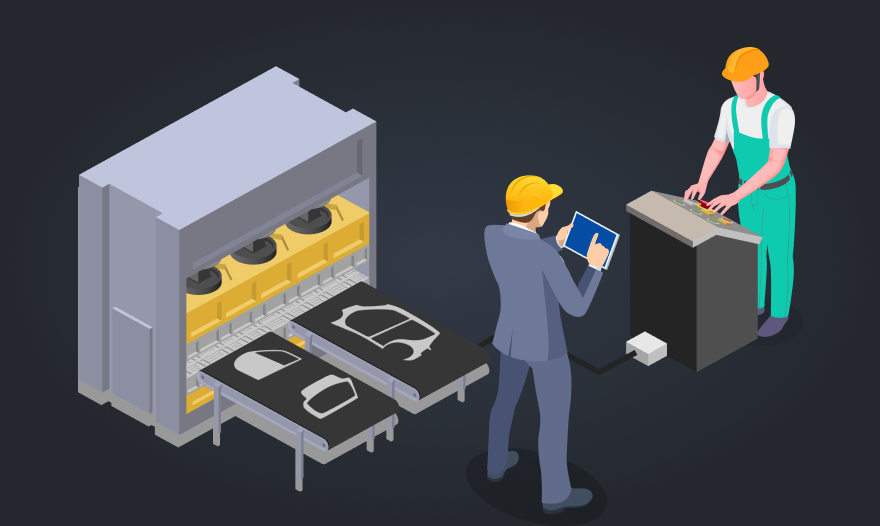
LOTO is a safety procedure used to control hazardous energy by physically locking and tagging machinery during maintenance to prevent accidental startup. When equipment or machinery is being serviced or maintained, there is always a risk that stored energy – whether electrical, mechanical, hydraulic or otherwise—could be unexpectedly released. Such incidents can lead to severe workplace injuries or even fatalities. LOTO safety procedures are specifically developed to control these hazardous energy sources, ensuring that machines remain safely de-energized until maintenance is complete. By implementing effective LOTO procedures, employers not only comply with occupational safety regulations but also create a safer workplace – significantly reducing the risk of accidents and helping to prevent workplace injuries.
Why is LOTO Important?
Lockout Tagout (LOTO) is essential for safely maintaining equipment in manufacturing, where energy sources like electrical, mechanical, or chemical pose serious risks. A careful process is needed to identify and control hazardous stored energy and prevent accidental equipment startup.
Data reveals that compliance with manufacturing safety protocols and LOTO can avert approximately 120 fatalities and 50,000 injuries each year in the U.S. Workers who suffer injuries related to hazardous energy exposure often face an average recovery time of around 24 workdays. Thus, mastering the LOTO process steps is crucial to maintaining a safe workplace. The basic steps of LOTO provide a straightforward process to ensure safety and compliance during equipment maintenance.
What’s the Difference Between Lock Out and Tag Out?
Lock Out refers to the physical isolation of energy sources of machinery during maintenance work by using locks to secure energy-isolating devices. A lockout device is a safety tool that holds energy isolating mechanisms in a safe position, preventing accidental energization of the equipment. This measure prevents unauthorized re-energization of the equipment.
Tag Out, on the other hand, complements this process by employing standardized tags. A tagout device acts as a prominent warning device that is securely attached to indicate the equipment cannot be operated, providing clear visibility and warning. These tags specify the reason for the lockout, the date and time it was applied and the identity of the authorized personnel executing the process, including the person performing the lockout/tagout and ensuring their accountability. Together, they enhance overall hazardous energy control and safety.
Lockout tagout devices are essential for effective lockout tagout procedures in manufacturing.

Walking You Through the LOTO Procedure
The LOTO process includes a series of systematic steps designed to ensure equipment is safely shut down, isolated and tagged to prevent unauthorized reactivation. Following an energy control procedure as part of established procedures is essential to ensure compliance with OSHA standards and maintain worker safety during maintenance activities. Below are the essential LOTO process steps that contribute to effective safety procedures in manufacturing, including the implementation of hazardous energy control procedures and the identification of all energy found in the workplace.
Step 1: Prepare for Shutdown
The LOTO procedure begins with identifying the machinery or equipment requiring lockout, taking into account specific equipment and tailoring procedures to address the unique hazards and energy sources of each type. An authorized individual should gather the necessary lockout devices and equipment, as well as any other equipment needed to safely control hazardous energy during the lockout process. Preparation is vital for LOTO and maintenance procedures, ensuring all tools and resources are readily available. The skills required for this step include proper training to recognize hazardous energy sources and correctly use energy control devices, which is essential for ensuring safety.
Step 2: Notify All Affected Workers
Effective communication is key to maintaining a safe work environment during the lockout process. The responsible individual must inform all affected employees, including other employees and machine operators who may be impacted by the lockout, about the reason for the lockout, its expected duration and who is overseeing the process. Clear communication minimizes misunderstandings, ensuring everyone is aware of ongoing maintenance.
Step 3: Equipment Shutdown
Before implementing a lockout, equipment must undergo a comprehensive shutdown process to disable machinery and prevent accidental startup. Authorized personnel should turn off all control mechanisms and confirm that all moving parts have completely stopped. This step is essential for equipment isolation safety. Lockout/tagout procedures are required during maintenance or servicing but not during normal production operations.
Step 4: Isolate the Equipment from the Energy Source
The actual lockout occurs in this step. Energy sources must be isolated to prevent accidental reactivation. For certain energy types such as fluids or gases, a line valve is used to isolate the equipment from the energy source. Depending on the type of energy, specific LOTO procedures in manufacturing must be followed to ensure safety.
Energy isolating devices do not include control circuit type devices such as push buttons or selector switches. Instead, lockout devices utilize a positive means to secure energy isolating devices, ensuring that machinery and equipment cannot be energized during maintenance or safety procedures.
Step 5: Remove Residual or Stored Energy
Residual or stored energy can pose hazards even after isolation. Authorized personnel must use appropriate techniques to safely discharge this energy, depending on its type—such as capacitors in electrical systems or fluids in hydraulic lines.
Step 6: Lock Out Tag Out
During this phase, the physical lockout and tagging take place. An authorized individual places a lock on the energy-isolating device such as bolted slip blinds, which are a type of lockout device used to hold energy isolating devices in a safe position, preventing their operation. A tag is also affixed, containing essential information such as the reason for the lockout, application date and time, responsible personnel and the authorized person who applies the lock and tag. This serves as a visible warning to all staff not to operate equipment during maintenance.
Step 7: Verify Isolation
Before any work begins on the locked-out system, it is crucial to verify that all energy sources are effectively isolated. Authorized personnel should conduct visual inspections and tests to ensure the equipment is free from residual energy and safe for work. This process, known as isolation verification, requires employees to verify energy isolation by attempting to operate the equipment and confirming that all energy sources have been disconnected.
Step 8: Perform Maintenance or Repair
With safety measures in place, designated personnel, including maintenance personnel responsible for conducting maintenance operations can safely proceed with the necessary maintenance or repair work. The equipment is now secured from hazardous energy, allowing for safer and more efficient operation.
Step 9: Remove Lock Out Tag Out Devices
After completing maintenance, it is essential to correctly remove the lockout and tagout devices. Only the authorized individual who applied the lock and tag should remove them. This final step ensures safe re-energization and alerts all personnel to potential hazards. Clear procedures for restarting equipment and reenergize machines safely must be followed to prevent accidents and ensure all energy sources are controlled during the process.
Training Employees in LOTO
Comprehensive training is a cornerstone of effective LOTO implementation and workplace safety. Employers are responsible for ensuring that all authorized employees receive detailed instruction on the energy control program including the correct use of energy control devices like locks and tags. Training should cover how to identify hazardous energy sources, the steps for applying and removing LOTO devices and the critical process of verifying energy isolation before any maintenance work begins. Regular refresher courses are essential to keep employees up to date with the latest safety procedures and OSHA standards. By prioritizing ongoing education, employers empower their teams to prevent workplace injuries, maintain compliance and foster a culture of safety throughout the organization.
Common Mistakes in LOTO (and How to Avoid Them)
Even with established LOTO procedures, common mistakes can undermine workplace safety and lead to serious injuries. One frequent error is overlooking certain hazardous energy sources during hazard assessments, resulting in incomplete energy isolation. Another issue is inadequate employee training which can leave workers unsure of the correct steps to follow during maintenance activities. To avoid these pitfalls, employers should regularly review and update their LOTO procedures, conduct comprehensive hazard assessments, and provide thorough, ongoing training for all employees. By addressing these common mistakes proactively, organizations can strengthen their safety protocols and better protect employees from the risks associated with hazardous energy.
Creating a LOTO Inspection Checklist
A well-designed LOTO inspection checklist is an invaluable tool for maintaining high safety standards and ensuring compliance with OSHA standards. The checklist should include steps for verifying that all energy isolating devices are correctly installed and functioning, confirming that LOTO devices are properly applied and removed, and ensuring that employees are fully trained in LOTO procedures. It should also cover routine equipment maintenance checks, such as inspecting for worn or damaged parts and confirming that machinery is properly lubricated. By using a LOTO inspection checklist, employers can systematically review their safety practices, prevent workplace injuries and ensure that all employees are consistently following established LOTO procedures.
How Connected Worker Apps like Poka Help with LOTO

Integrating digital tools can significantly enhance LOTO safety compliance. Connected worker apps like the Poka connected worker platform provide features that support the entire LOTO process including Factory Feed, Digital Work Instructions and Digital Forms.
Factory Feed
The Poka Factory Feed offers a real-time communication channel for all employees during LOTO. Supervisors can post updates and notifications regarding ongoing lockout activities, ensuring everyone is informed about equipment maintenance and the duration of the lockout.
Digital Work Instructions
Poka’s Digital Work Instructions allow authorized personnel to access step-by-step guidelines via mobile devices. This access enhances comprehension of manufacturing safety protocols and reduces errors during LOTO activities by providing interactive multimedia content.
Digital Forms
Using Poka’s Digital Forms feature, employees can efficiently document the entire LOTO process. This digital solution ensures accurate records of equipment identification, lockout dates and personnel responsible – making it easier for supervisors to review compliance.
Skills Management
Poka’s Skills Management feature provides training on LOTO procedures through engaging videos and guides. Digital assessments and progress tracking enhance understanding and ensure employees can safely execute the LOTO process.
Now Go and Execute LOTO at a High Level
Effective execution of Lock Out Tag Out procedures is critical for ensuring worker safety while enhancing overall operational efficiency. Implementing digital LOTO solutions like the Poka platform revolutionizes the execution, communication and documentation of these procedures. With features like Factory Feed, Digital Work Instructions and Digital Forms, organizations can significantly improve the LOTO process – ensuring real-time updates, easy access to training materials, and streamlined record-keeping.
For more information on how Poka can enhance factory safety and improve LOTO compliance, contact our experts today!
FAQs on Lock Out Tag Out (LOTO) in Manufacturing
LOTO is a safety procedure used to control hazardous energy by physically locking and tagging machinery during maintenance to prevent accidental startup.
LOTO protects workers from serious injuries or fatalities caused by unexpected release of hazardous energy during equipment servicing.
Only authorized employees trained in LOTO procedures should apply and remove lockout and tagout devices.
LOTO controls various energy sources including electrical, mechanical, hydraulic, pneumatic, chemical, and thermal energy.
Connected worker apps provide real-time communication, digital instructions, and documentation features that streamline and enhance LOTO safety and compliance.