





Published on December 11, 2024
Unlock manufacturing excellence with connected worker apps and discover key features, implementation tips, and boost workforce productivity today!
Connected Worker Apps in Manufacturing: Enhancing Productivity and Operational Efficiency
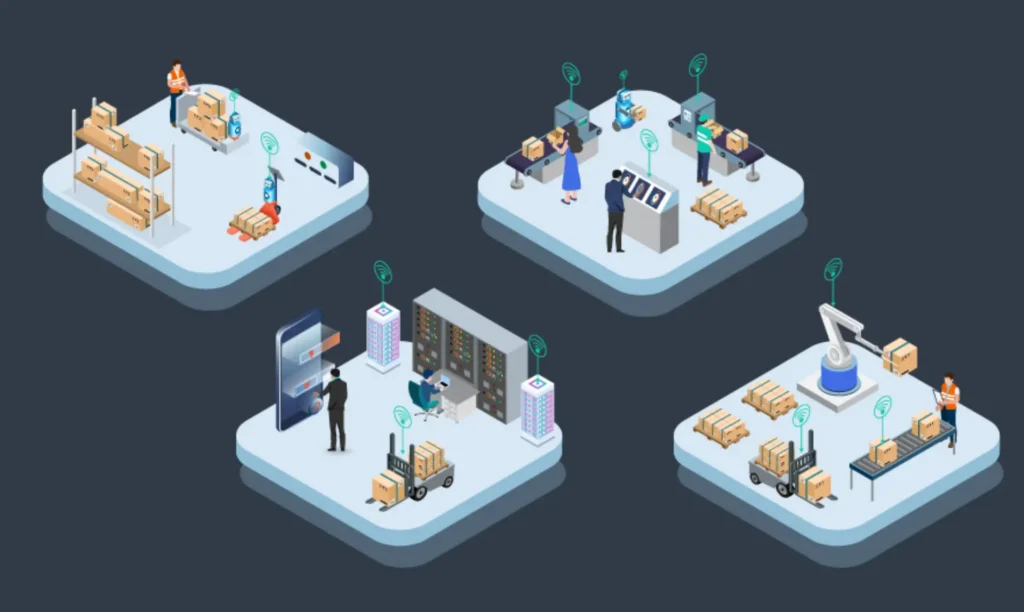
In today’s rapidly evolving manufacturing landscape, industrial organizations are increasingly recognizing the significance of connectivity. The transition from Industry 4.0 to Industry 5.0 presents an unprecedented opportunity to integrate connected worker applications into manufacturing processes. These innovative solutions not only drive smart manufacturing but also enhance operational excellence and increase productivity by enabling real-time communication, data visibility and streamlined workflows.
Embarking on the journey to implement a connected worker app can be a transformative experience. However, getting started requires mindful planning and strategic thinking to unlock the full potential of these technologies.
Why Consider a Connected Worker App?
Benefits of Implementing a Connected Worker App
Connected worker applications serve as a bridge between human expertise and cutting-edge technology. They empower frontline workers with the tools and information they need to excel in their roles while providing management with the data required for informed decision-making. Some key benefits include:
- Enhanced Productivity: Workers can access real-time information, work instructions and checklists directly on the factory floor, reducing the time spent searching for critical documentation and enabling them to perform their tasks to standard consistently.
- Improved Collaboration: With real-time communication features, workers can share information, report issues and collaborate on problem-solving – leading to faster resolution of challenges and minimized downtime.
- Data-Driven Insights: Connected worker apps gather and display critical operational data, providing valuable insights into performance metrics, bottlenecks and safety incidents. This data-driven approach enables proactive measures to improve efficiency and enhance safety.
Key Features of an Ideal a Connected Worker Solution
When selecting a connected worker app, organizations should consider a comprehensive suite of features that address both worker needs and management capabilities. Key features to look for include:
- One Comprehensive Platform: A unified solution that integrates all its features such as skills management, knowledge management, real-time communication, industrial AI, digital forms and checklists and analytics.
- Integrated Features for Continuous Improvement: A connected worker platform should include work instructions, training, checklists and issue management to drive ongoing improvements. By engaging workers and capturing valuable insights, companies can enhance standardization and boost productivity.
- Seamless Digital Integration: Designed to integrate smoothly with existing systems like ERP and MES through APIs, this platform enhances operations without causing major disruptions. It facilitates quick onboarding and helps workers realize value through intuitive, guided workflows.
- User-Friendly and Intuitive: Easy to learn and designed for rapid adoption, the platform empowers workers to use it independently. An intuitive, familiar interface encourages engagement and helps reduce the learning curve.
- Built to Scale: With robust cybersecurity and multilingual support, this platform is scalable to meet the needs of global manufacturing environments. It enables sharing of standards and best practices across sites while protecting sensitive information.
- Factory-Floor Focused: Specifically tailored to the factory environment, the platform has a mobile-first design for on-the-go access. This setup mirrors real manufacturing operations and supports continuous improvement directly on the factory floor.
Step 1: Begin with a Business Value Assessment
Before diving into implementation, the first step is conducting a business value assessment (BVA). This process helps identify the areas where a connected worker solution can deliver the most significant impact.
Identifying Impact Areas for Improvement
It’s essential to recognize that while there are countless use cases for connected worker apps, attempting to address too many use cases at once can be overwhelming and counterproductive. Instead, focus on specific areas that have the most significant loss in production.
For example, if you notice that product changeovers are taking too long on a specific production line, this could be an excellent starting point. By reestablishing standards, capturing best practices, training workers and providing job aids or checklists – you can ensure that tasks are performed correctly.
Focused Improvement Approach
Adopting a focused improvement approach means identifying particular pain points within production and tackling them systematically. This not only drives quick wins but also builds momentum for future improvements.
By starting small, organizations can evaluate the effectiveness of their connected worker app in addressing identified challenges and refine processes before scaling to additional use cases.
Step 2: Assessing Your Organization’s Readiness
After establishing the potential impact areas, it’s crucial to assess your organization’s readiness for implementing a connected worker solution.
Evaluating Existing Infrastructure and Technology
Understanding whether your current systems and infrastructure can integrate with the new connected worker solution is key. Review existing hardware and software to ensure compatibility and identify any gaps that need to be addressed for successful implementation.
Understanding Workforce Technological Proficiency
Assess the technological proficiency of your workforce. Understanding the skill level of your employees will help determine the type of training and support they may need. This assessment can guide the onboarding process and ensure workers feel comfortable utilizing new technologies.
Assessing Cultural Readiness for Change
A supportive culture that fosters experimentation and learning can significantly enhance the adoption of connected worker solutions. Evaluate whether a culture of continuous improvement is already in place within your organization. Organizations with a willingness to adapt and embrace change will find it easier to integrate new technologies.
Step 3: How to Implement Connected Worker Apps on the Factory Floor
Once readiness has been assessed, you can collaborate with your solution provider to begin planning the implementation process.
Defining Clear Implementation Objectives
Establish specific goals you wish to achieve with your connected worker app implementation. These objectives may include reducing downtime, improving training efficiency, enhancing worker safety or boosting overall productivity. Your priorities should be driven by insights from the Business Value Assessment conducted earlier.
Selecting Initial Use Cases to Maximize Impact
Based on the outcome priorities from the BVA, identify one or two focused use cases for initial implementation. Choosing these use cases will help refine processes, demonstrate value quickly and enable stakeholders to see tangible benefits, which can encourage broader adoption throughout the organization.
Engaging Stakeholders Across Departments
Involve key stakeholders from different departments early in the process. Engaging stakeholders ensures buy-in and support during implementation while allowing diverse perspectives to contribute to the app’s effectiveness. Their insights can guide customization to meet specific departmental needs.
Providing Comprehensive Training and Resources
Equip employees with the necessary training and resources to effectively use the new technology. This can include hands-on training sessions, access to tutorials and ongoing support. Consider creating a range of learning materials tailored to different learning styles – ensuring workers are comfortable with the platform.
Monitoring Progress and Making Adjustments
Establish a system to regularly track progress post-implementation. Gather feedback from users to assess how well the connected worker app is meeting their needs and identify any areas for improvement. Be prepared to make adjustments based on real-world experiences and insights shared by employees.
Step 4: Tips for Integrating a Connected Worker App
To ensure a smooth adoption and integration of your connected worker solution, consider the following tips:
Communicating Benefits to Employees
Clearly communicate the benefits of the solution to employees, emphasizing how it will enhance their work experience and improve overall efficiency. Share success stories and testimonials from early adopters to build trust and confidence in the new system.
Creating a Support Network for Employees
Establish a support network where employees can connect, share their experiences, challenges and successes with the new technology. Open channels for feedback and support encourage collaboration and help address any issues quickly.
Celebrating Milestones and Successes
Recognize and celebrate milestones and successes throughout the implementation process. Celebrating wins fosters a positive attitude toward the changes and maintains motivation for ongoing adoption.
Real-World Impact: Case Studies of Poka’s Connected Worker Platform
Poka’s connected worker platform has demonstrated substantial benefits across various industries. Here are some examples of how different companies have transformed their operations using Poka.
- Tetra Pak has utilized Poka’s connected worker platform to streamline its global operations. The platform’s ability to centralize knowledge, manage workflows, and provide real-time feedback has helped Tetra Pak achieve greater consistency and efficiency in its manufacturing processes.
- Bosch has utilized Poka’s connected worker platform to significantly enhance their manufacturing operations. By implementing Poka’s digital tools, Bosch has achieved impressive results in equipment reliability, operational efficiency, and workforce engagement.
- Barry Callebaut: As a global leader in the chocolate and cocoa industry, Barry Callebaut has utilized Poka’s connected worker platform to enhance operational efficiency and support its digital transformation journey.
How to Start Your Journey with a Connected Worker App Today
By taking a thoughtful and strategic approach to getting started with a connected worker app, manufacturing organizations can unlock significant improvements in efficiency, productivity, employee engagement and overall operational excellence. As you embark on this transformative journey, remember that continuous evaluation and adaptation will keep your connected worker solution aligned with the changing demands of modern manufacturing.
Harness the power of connected worker applications to thrive in the era of smart manufacturing. The journey may be complex, but the rewards of enhanced collaboration and agility in operations are well worth the effort.
Book a free live demo with one of our helpful team members today!